
A high-pressure water jet spray gun serves as the foundation of an effective home detailing setup, but it cannot clean a vehicle safely or efficiently on its own. Building a complete home car wash tool kit requires integrating complementary accessories that manage water delivery, lift dirt without scratching, and protect delicate surfaces. By layering the right foam cannons, hose management tools, specialized nozzles, and drying implements, you can transform a basic spray gun into a comprehensive washing system tailored for automotive care.
In Singapore’s tropical climate, where intense sun can bake road grime onto paintwork within hours, having a structured wash system is essential. Rapid drying under the sun often leads to stubborn water spots, making efficiency and proper tool integration critical. Selecting compatible, high-quality accessories ensures you achieve a professional-grade finish while protecting your vehicle’s clear coat.
Base Layer: Water Supply and Hose Management
Before water ever reaches your high-pressure water jet spray gun, the infrastructure supplying it must be secure. Managing a high-pressure hose during a wash can be cumbersome when navigating around a vehicle. A dedicated hose reel or wall-mounted storage solution prevents kinks, reduces tripping hazards, and extends the hose’s lifespan by keeping it off rough concrete.
Products mentioned in this guide
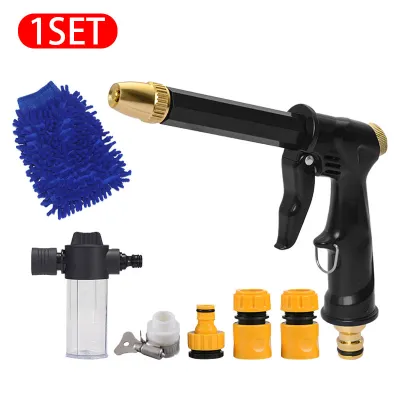
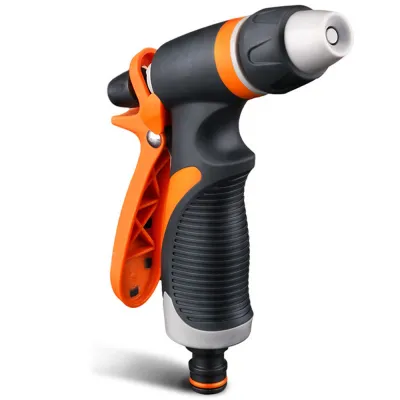
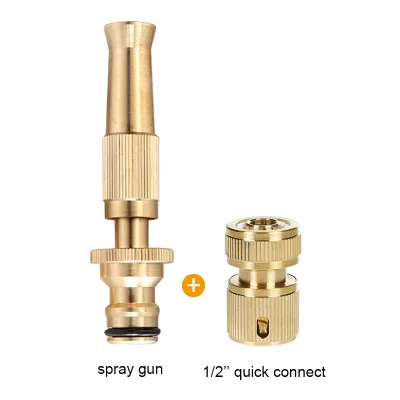
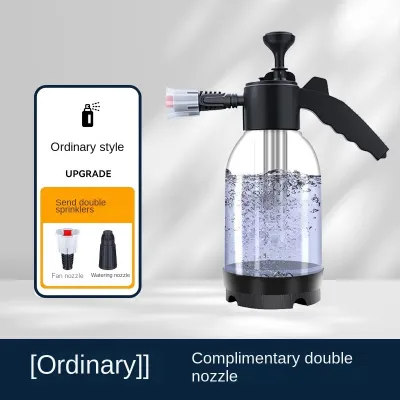
Prices are valid at publication and may change. Please refer to the product page for the latest price.
Connecting these components requires robust quick-connect fittings. Brass or stainless steel quick-connects allow you to transition seamlessly between the water tap, inlet hose, pressure washer, and spray gun without dealing with threaded connections prone to stripping. These fittings ensure leak-free links, maintaining consistent system pressure.
Additionally, incorporating an inline water filter or sediment trap at the water inlet safeguards your equipment. Tap water can carry microscopic debris or mineral deposits that damage internal pressure washer components. A clear-cased inline filter allows you to visually inspect and clean out trapped particles before they clog your spray gun nozzle.
Pre-Wash Layer: Foam Cannons and Dirt Lifting
The pre-wash phase is critical in preventing swirl marks and scratches. A foam cannon attaches directly to your high-pressure water jet spray gun, mixing pressurized water with specialized car shampoo to blanket the vehicle in thick foam. This foam clings to the surface, encapsulating and loosening abrasive road grime, dust, and environmental fallout before any physical contact is made with a wash mitt.

When selecting a foam cannon, compatibility is key. Verify that the foam cannon’s inlet fitting matches your spray gun’s outlet—typically a 1/4-inch quick-connect plug—and that your pressure washer meets the minimum pressure and flow rate requirements. If the pressure washer’s output is too low, the foam cannon will produce a watery run-off rather than the thick, clinging foam needed to dwell on the paint.
High-quality foam cannons feature adjustable nozzle settings to control both the soap-to-water dilution ratio and the spray pattern width. Adjusting the top knob alters the thickness of the foam to suit the level of dirt, while twisting the front nozzle changes the fan pattern from a narrow stream for targeted application to a wide fan for rapid, even coverage across large panels.
For home detailing, a dedicated pre-wash snow foam dispenser that attaches to the end of the spray gun is preferred over integrated detergent tanks built into the pressure washer unit. An external foam cannon keeps the soap isolated to the very end of the system, allowing for a clean, soap-free rinse immediately after detaching the cannon.
Contact and Rinse Layer: Nozzles and Wand Extensions
Once the pre-wash foam has loosened the surface dirt, the contact and rinse stages require precise control over the water stream to prevent paint damage. High-pressure water jet spray guns typically utilize interchangeable spray nozzles, which are color-coded to indicate their spray angle. Selecting the correct nozzle is vital, as an overly concentrated stream can easily etch clear coats, strip paint, or damage delicate rubber seals.
For safe rinsing and broad foam application, wide fan spray patterns—typically 25-degree (green) or 40-degree (white) nozzles—are the safest choices for automotive paintwork. These angles distribute water pressure widely, rinsing away soap and dirt without stressing the clear coat.
Conversely, narrow stream patterns, such as the 0-degree (red) or 15-degree (yellow) nozzles, should be reserved strictly for heavy-duty cleaning on non-painted, durable surfaces. These concentrated streams are useful for blasting stubborn brake dust off wheels, cleaning rugged tire sidewalls, or clearing mud from undercarriage components, but they must never be directed at the vehicle’s body panels, glass, or plastic trim.
To improve ergonomics and reach, incorporating adjustable wand extensions and angled connectors into your setup is highly beneficial. A short spray gun is excellent for tight spaces, but adding a rigid extension wand allows you to clean the vehicle’s roof, lower rocker panels, and deep inside wheel wells without straining. Angled or pivoting couplers can be adjusted to spray downward onto the roof or upward into the undercarriage, ensuring thorough cleaning of hard-to-reach areas.
Finishing Layer: Drying and Detailing Tools
After the pressure washing stages are complete, the finishing process determines whether your car dries to a spot-free, pristine shine. Leaving a wet vehicle to dry naturally in the sun, particularly in warm climates, will result in unsightly mineral spots that can etch into the paint over time. The transition from pressure washing to drying requires tools designed to minimize friction and absorb water efficiently.
High-pile microfiber drying towels and specialized wash mitts are essential companions to your pressure washing routine. A high-GSM microfiber towel absorbs several times its weight in water, allowing you to dry the vehicle with minimal passes. When performing any physical contact wash, a plush microfiber mitt should be used in conjunction with a grit-guard-equipped bucket to trap any remaining particles away from the paint.
For intricate areas that the spray gun cannot safely clean on its own, soft-bristle wheel brushes and detailing brushes are necessary. These tools allow you to gently agitate dirt in complex grilles, around emblems, inside lug nut recesses, and along window trim. Using dedicated, non-abrasive brushes ensures these delicate areas are thoroughly cleaned without scratching the surrounding paint or chrome.
To achieve a truly contactless drying process, a filtered air blower or dedicated car dryer is an excellent investment. These devices use a high-velocity stream of warm, filtered air to force water out of crevices, side mirrors, door jambs, and emblem recesses where towels cannot reach. By minimizing physical contact with the paint during the drying phase, you significantly reduce the risk of introducing fine swirl marks and micro-scratches.
System Integration: Compatibility and Safety Checks
Building a cohesive home car wash kit requires careful verification to ensure all components operate safely and efficiently together. Before operating your system, cross-reference the maximum pressure (PSI) and flow rate (GPM or liters per minute) ratings of your pressure washer with the operational limits of your spray gun, hoses, and foam cannon. Using accessories rated below your machine’s output can lead to equipment failure or leaks.
Inspect all thread sizes, O-ring conditions, and quick-connect standards across your tools. Most consumer pressure washers use either M22-14mm or M22-15mm threaded connections; mixing these up will cause persistent leaks and can damage the threads. Ensure that all quick-connect collars snap securely into place and that rubber O-rings are lubricated and free of cracks to prevent sudden pressure drops or dangerous hose whips during operation.
Finally, establish strict safety boundaries when using a high-pressure water jet spray gun around your vehicle. Always maintain a safe distance of at least 30 centimeters between the nozzle tip and the vehicle’s surface. Keep high-pressure streams away from delicate components such as parking sensors, camera lenses, soft rubber weather seals, radiator fins, and areas with pre-existing paint chips or peeling clear coat, as the intense pressure can easily worsen damage or compromise electronic seals.
Frequently Asked Questions (FAQ)
Can I use a standard garden hose with a high-pressure spray gun?
A standard garden hose cannot be connected directly to the outlet of a high-pressure spray gun, as it is not structurally rated to withstand the extreme pressures generated by a pressure washer. Standard garden hoses are designed for low-pressure municipal water supply, typically operating below 100 PSI, and will burst if subjected to pressure washer forces. However, a standard garden hose is perfectly suitable to use as the inlet supply line that feeds water from your home tap into the pressure washer unit itself.
Do I need a specific type of car shampoo for a foam cannon?
While standard bucket wash soaps can be used in a foam cannon, they rarely produce the thick, long-lasting foam required for an effective pre-wash. Dedicated snow foam shampoos are formulated with specialized surfactants that generate dense, stable foam designed to cling to vertical automotive surfaces for several minutes. This extended dwell time is crucial for breaking down and encapsulating surface dirt, whereas standard soaps tend to run off too quickly, reducing their cleaning efficiency.
Community discussion
Share your experience or ask a question. Comments are reviewed before publication.