
Engine oil additives are specialized chemical compounds blended into motor oil to enhance lubrication, protect metal surfaces, clean internal components, and extend the operating life of both the oil and the engine. Every modern motor oil consists of two primary components: a base oil, which typically makes up 75% to 85% of the volume, and a pre-blended additive package that constitutes the remaining 15% to 25%. This factory-formulated package is carefully engineered by oil manufacturers to meet strict international performance standards and specific vehicle manufacturer approvals.
Over time and under normal driving conditions, these built-in additives naturally deplete and degrade. The constant exposure to extreme combustion heat, mechanical shear, and chemical contaminants gradually reduces the oil’s protective capabilities. While high-quality, factory-formulated motor oil is entirely sufficient for standard service intervals in well-maintained vehicles, aftermarket additives are sometimes considered to address specific, observable engine symptoms or to provide extra protection under severe operating conditions.
Main Categories of Engine Oil Additives and Their Functions
Different chemical compounds target specific engine issues, ranging from friction reduction to deposit control. Rather than using a generic, multi-purpose product, you must match the specific additive type to your vehicle’s actual mechanical symptoms and operating environment to avoid disrupting the oil’s delicate chemical balance.
Products mentioned in this guide
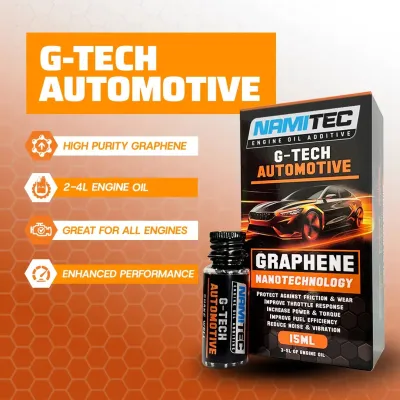
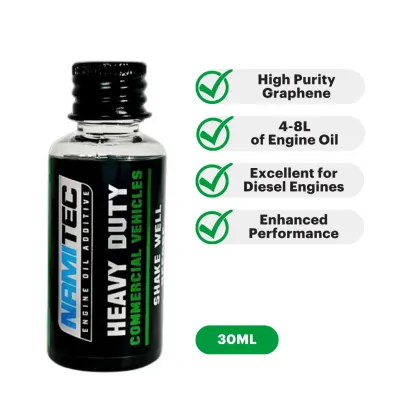
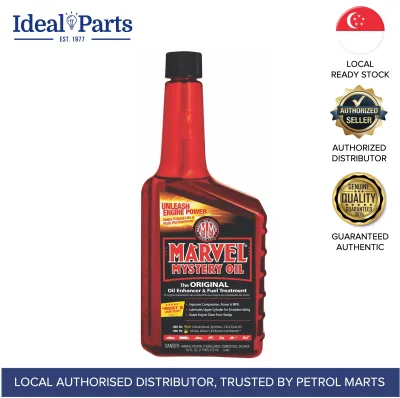
Prices are valid at publication and may change. Please refer to the product page for the latest price.
Friction Modifiers and Anti-Wear Agents
Friction modifiers and anti-wear agents are designed to minimize metal-to-metal contact inside the engine. Under high loads or during cold starts, the liquid oil film can become thin enough that microscopic high points on metal surfaces begin to rub together. Anti-wear additives, such as zinc dialkyldithiophosphate (ZDDP), react with these hot metal surfaces to form a microscopic, sacrificial barrier film that shears easily, preventing direct metal-to-metal wear.
These additives are highly relevant for older engines with flat-tappet camshafts, high-mileage vehicles with increased internal clearances, or vehicles subjected to heavy towing and high-load driving. However, over-applying these compounds carries significant risks. Excess anti-wear agents can disrupt the overall chemical balance of the host oil, potentially leading to filter restriction or interfering with other protective additives. Always verify your vehicle’s specific engine requirements and documentation before adding supplemental anti-wear agents.
Detergents and Dispersants (Cleaners)
Detergents and dispersants work together to keep the internal components of your engine clean and free of deposits. Detergents are basic, alkaline compounds that chemically neutralize acidic combustion byproducts, preventing them from corroding metal parts and forming high-temperature varnish on pistons and cylinder walls. Dispersants, on the other hand, wrap around solid contaminants like soot, dirt, and carbon particles, keeping them suspended in the oil so they can be carried to the oil filter rather than settling as sludge.
These cleaning additives are particularly important for vehicles driven frequently in stop-and-go urban traffic, where engines rarely reach and maintain their optimal operating temperatures. They are also highly beneficial for direct-injection engines, which are naturally more prone to carbon buildup. You must only use these cleaners for their label-authorized internal engine applications; never allow them to contact external paint, plastics, or sensitive sensors, as the concentrated chemicals can cause permanent damage. Furthermore, avoid using aggressive chemical flushes in older engines with heavy, long-term sludge buildup, as dislodging large chunks of debris can block critical oil passages and cause sudden engine failure.
Seal Conditioners and Swell Agents
Seal conditioners and swell agents are formulated to restore and maintain the elasticity of rubber and elastomeric engine seals. Over years of heat cycles, engine gaskets and oil seals gradually lose their plasticizers, causing them to shrink, harden, and develop microscopic gaps that allow oil to seep out.
These additives work by penetrating the seal material, causing it to swell slightly and regain its original flexibility. This makes them highly useful for high-mileage vehicles showing minor weeping or dampness around the valve cover or oil pan gaskets. However, there is a clear boundary to their effectiveness: seal conditioners cannot repair physically torn, cracked, or mechanically broken gaskets. If your vehicle is actively dripping oil onto the ground, physical replacement of the damaged component is the only viable solution.
Viscosity Index Improvers and Pour Point Depressants
Viscosity index improvers (VIIs) are polymer chains that expand as temperature rises and contract as it falls. This behavior helps regulate the oil’s flow characteristics, preventing it from thinning out excessively at high operating temperatures while ensuring it remains fluid enough to flow quickly during cold starts. Pour point depressants prevent wax crystals from binding together in cold weather, ensuring rapid oil circulation when the engine is first turned on.
In tropical climates with high ambient temperatures and dense urban traffic, maintaining high-temperature viscosity and film strength is the primary concern. Viscosity index improvers help ensure that the oil maintains a reliable protective barrier between moving parts even under constant thermal stress. However, using an incorrect viscosity modifier can alter the oil’s flow rate, potentially starving critical components of lubrication.
How to Identify Your Vehicle's Specific Additive Needs
Determining whether your vehicle requires an aftermarket additive starts with a careful evaluation of its age, mileage, and observable operating conditions. Inspect your engine bay for signs of minor oil weeping, check under the oil filler cap for dark sludge deposits, and listen for light ticking noises during warm-up. These physical observations provide clues about whether a cleaner, a seal conditioner, or a friction modifier might be appropriate.
It is critical to distinguish between chemical maintenance and physical mechanical repair. Additives are designed to optimize fluid performance and address minor, chemistry-related issues; they cannot fix broken piston rings, worn-out bearings, or cracked engine blocks. While a bottle of additive might seem like a quick fix, ignoring a major mechanical issue can lead to catastrophic engine failure and repair bills costing thousands of S$ at a professional workshop.
Before purchasing any product, verify your vehicle’s model, year, engine type, and emissions equipment against the specific product documentation. Modern engines with complex emissions systems, such as diesel particulate filters or advanced catalytic converters, require specific low-SAPS (Sulfated Ash, Phosphorus, and Sulfur) oils. Adding an unapproved aftermarket chemical can contaminate these sensitive emissions systems, trigger dashboard warning lights, and void your vehicle’s factory warranty. Never infer compatibility simply from a generic category term on a bottle.
Safety, Compatibility, and Usage Guidelines
When applying aftermarket engine oil additives, strict adherence to safety and compatibility guidelines is essential. Mixing conflicting additive types or exceeding the manufacturer’s recommended dosage can destabilize the host oil’s chemical balance. This imbalance can lead to oil foaming, accelerated oxidation, or additive dropout, where the chemicals precipitate out of the fluid and form harmful deposits inside the oil galleries.
Always read the product label carefully to confirm compatibility with your specific fuel type (petrol or diesel) and oil type (mineral, semi-synthetic, or fully synthetic). For any internal engine work, fluid changes, or additive applications, always refer to your original-vehicle instructions. If you are uncomfortable performing these checks or applications yourself, seek qualified professional installation and service at a licensed automotive workshop.
Establish clear stop conditions for your vehicle. If you experience severe oil leaks, metallic knocking sounds, a low oil pressure warning light, or rapid oil consumption, stop driving immediately. These symptoms indicate severe mechanical issues that require immediate professional diagnosis and physical repairs, rather than a chemical additive solution.
Frequently Asked Questions (FAQ)
Do new synthetic oils need extra additives?
No, modern fully synthetic oils do not require supplemental additives. These oils are already engineered with highly sophisticated, balanced additive packages designed to meet or exceed stringent manufacturer specifications. Adding aftermarket products to a high-quality synthetic oil can disrupt this precise chemical balance, potentially reducing lubrication efficiency and voiding your vehicle’s factory warranty.
Can oil additives fix an engine oil leak?
Oil additives containing seal conditioners can only address minor weeping or seepage caused by hardened, dried-out rubber seals. They cannot repair physically torn, cracked, or broken gaskets. If you notice active dripping or puddles of oil under your vehicle, you must have the affected components physically replaced by a professional mechanic.
How often should I use an engine oil additive?
You must always follow the specific product manufacturer’s label instructions. Some additives are designed for a single application to address a specific symptom, while others are formulated to be added at every scheduled oil change. Do not exceed the recommended frequency or dosage, as over-concentration can degrade oil performance and harm your engine.
Community discussion
Share your experience or ask a question. Comments are reviewed before publication.