
Choosing between an electrostatic sunshade and a suction cup sunshade for your front windshield depends on your vehicle’s glass condition, the presence of aftermarket window tint, and how much effort you want to spend on daily setup. Neither option is universally superior; instead, the right choice relies on matching the attachment mechanism to your vehicle’s specific glass profile and your parking habits.
Electrostatic shades excel at providing seamless, edge-to-edge coverage without the need for bulky mounting hardware, making them highly suitable for drivers who prefer a clean, minimalist look. On the other hand, suction cup shades offer a highly reliable, mechanical grip that performs consistently across varied glass surfaces, including older windshields or those with minor surface imperfections. Understanding how these two mounting styles interact with your vehicle will help you protect your cabin from intense solar heat.
How Electrostatic and Suction Cup Mounts Work
Electrostatic sunshades rely on static cling rather than chemical adhesives or physical fasteners. These shades are typically made from a thin, flexible polyvinyl chloride (PVC) or similar plastic film that carries a natural static charge. When you press this film against a highly polished, non-porous surface like glass, molecular attraction holds the shade firmly in place. Because this mechanism requires maximum surface contact, the windshield must be exceptionally clean, smooth, and free of dust, moisture, or oily residues to maintain a secure bond.
Products mentioned in this guide
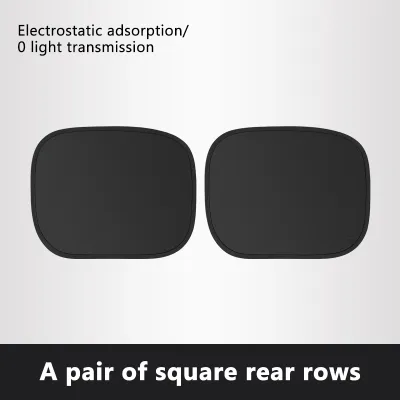
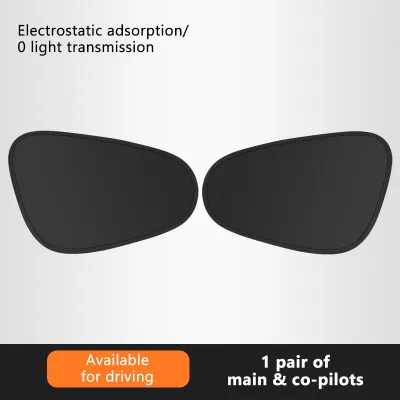
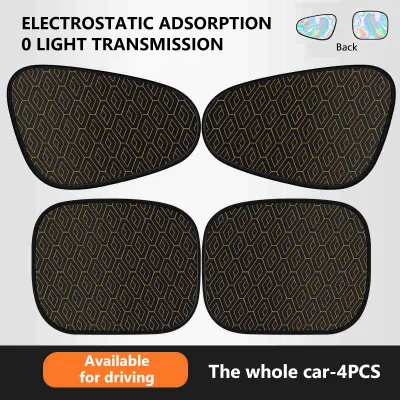
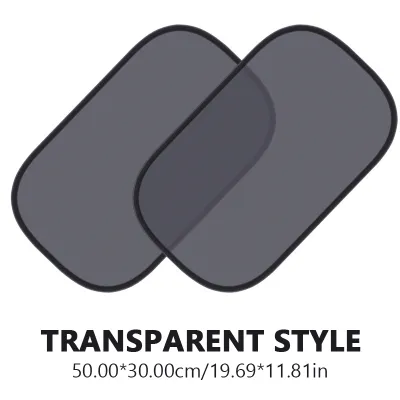
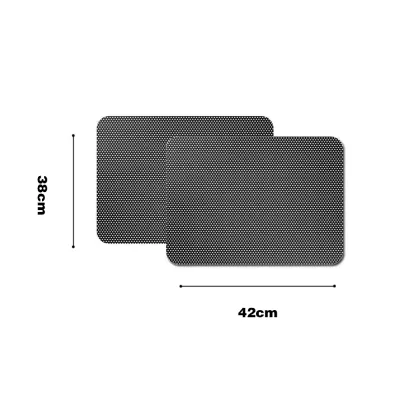
Prices are valid at publication and may change. Please refer to the product page for the latest price.
Suction cup mounts operate on a simple pressure differential. When you press a flexible rubber or plastic suction cup against the windshield, you force the air out from beneath it, creating a localized vacuum. The higher atmospheric pressure of the cabin then pushes the outside of the cup tightly against the glass. This mechanical seal is highly effective and can support heavier, thicker shade materials, provided the rim of the suction cup remains airtight.
Both systems face unique challenges when interacting with aftermarket window films, factory privacy glass, or textured glass surfaces. For instance, the black ceramic dot matrix commonly found around the edges of a windshield or behind the rearview mirror prevents suction cups from forming an airtight seal. Similarly, electrostatic film cannot cling to these textured dots because the microscopic air gaps break the static bond. If your windshield has extensive textured areas or older, slightly scratched aftermarket tint, a suction cup placed on a completely smooth section of the glass is generally easier to secure than a large electrostatic sheet.
Coverage and Light Blockage Comparison
When it comes to minimizing light leakage, electrostatic sunshades hold a distinct structural advantage. Because they are thin and flexible, you can press them flush against the glass, extending the material right up to the windshield pillars and the dashboard line. This close fit minimizes the perimeter gaps where sunlight typically creeps in, helping to keep your dashboard cooler during long hours parked in open-air carparks.

Suction cup sunshades, by contrast, often require a small amount of clearance between the shade material and the glass to accommodate the physical depth of the cups. This gap can allow slivers of sunlight to bypass the shade along the edges. Additionally, if a suction cup fails or sags, the entire shade can droop, creating large gaps that let in heat and light. The rigidity of the shade material also plays a role; heavier accordion-style shades held by suction cups may bow in the middle, leaving open spaces near the top of the windshield.
It is important to note that the actual thermal performance and ultraviolet (UV) protection of a sunshade depend on its core material rather than how it attaches to the glass. A suction cup shade made from high-density reflective foil or multi-layer honeycomb fabric will block heat more effectively than a thin, single-layer electrostatic mesh. When shopping, prioritize high-quality reflective or heat-absorbing materials first, then consider how the mounting style will affect the coverage of that material across your specific windshield dimensions.
Ease of Installation and Daily Use
The daily routine of deploying and removing your sunshade can quickly become tedious if the mounting system is frustrating to use. Electrostatic shades require you to smooth the film flat against the glass with your hands to push out trapped air bubbles. While this process is straightforward once you get the hang of it, it can be time-consuming during rushed morning commutes or when parking quickly under the hot afternoon sun. If the film gets folded or dirty, you may find yourself repeatedly smoothing down peeling corners.
Suction cup shades offer a more tactile, familiar installation process. You simply position the shade and press the cups against the glass. However, aligning multiple suction cups across a wide front windshield can require some stretching, especially in larger vehicles like sport utility vehicles (SUVs) or multi-purpose vehicles (MPVs). If the suction cups are permanently attached to the shade, you must handle them carefully during setup to avoid bending or warping the rims.
Storage methods also differ significantly between the two types. Electrostatic shades are often built with flexible spring-wire frames that twist and fold down into a compact, flat circle, which easily slides into a seatback pocket. Suction cup shades are more commonly designed as rigid accordion folds or roll-up sheets. These tend to be bulkier and may require dedicated space on the floor of the back seat or in the boot, and the protruding suction cups can sometimes snag on other items in your cabin.
Durability and Long-Term Reliability
Singapore’s intense tropical climate and high humidity place extreme stress on interior car accessories. Under direct sunlight, cabin temperatures can rise rapidly, testing the limits of both attachment methods. Suction cups made from low-grade plastics are highly susceptible to thermal degradation; over time, constant exposure to high heat causes them to harden, warp, or turn yellow. Once a suction cup loses its flexibility, it can no longer maintain an airtight vacuum, leading to frequent falls.
Electrostatic shades do not suffer from vacuum loss, but they have their own long-term reliability challenges. The static charge itself does not easily wear out, but the accumulation of microscopic dust, pollen, and cabin oils on the film will rapidly degrade its ability to cling to the glass. Furthermore, if you frequently roll down your windows or if the shade is exposed to high humidity, the edges of an electrostatic film may begin to curl and peel away from the windshield.
Fortunately, basic maintenance can restore the performance of both mounting styles. If your suction cups are losing their grip, rinsing them in warm, soapy water can remove accumulated dust and restore their flexibility. For warped suction cups, dipping them in hot water for a few minutes can often reshape them. For electrostatic shades, wiping the cling side with a damp microfiber cloth and a mild, alcohol-free glass cleaner will remove surface oils and dust, instantly reviving the static bond.
Decision Framework: Which Method Should You Choose?
To help you decide on the right sunshade for your daily parking habits and vehicle setup, consider the following practical guidelines.
Choose an electrostatic sunshade if:
- You want a clean, low-profile look without visible plastic cups or brackets on your windshield.
- Your windshield glass is completely smooth, clean, and free of heavy aftermarket tinting or textured ceramic dot matrices.
- You prefer a highly compact shade that twists and folds flat to fit easily into a door pocket or glove compartment.
- You are willing to spend a few extra moments smoothing out air bubbles during installation to achieve maximum edge-to-edge coverage.
Choose a suction cup sunshade if:
- Your windshield has textured areas, aftermarket window film, or minor surface imperfections that prevent static cling from working.
- You prefer a quick, mechanical press-and-release installation that does not require smoothing out film.
- You want to use a heavier, highly insulated reflective foil or multi-layer bubble shade for maximum thermal protection.
- You do not mind storing a slightly bulkier accordion-style or rolled shade in your back seat or boot.
Verify first if:
- Your vehicle has a front-facing dashcam, electronic road pricing (ERP) reader, or rain sensors mounted near the rearview mirror, as these devices will require you to position or trim your sunshade carefully to avoid interference.
- You park frequently in unsheltered, open-air carparks where cabin heat buildup is extreme, which may require higher-grade, heat-resistant suction cups or a heavy-duty reflective material.
What to Verify Before Buying a Windshield Sunshade
Before spending S$15 to S$30 on a new sunshade at an automotive accessory shop or online marketplace, take precise measurements of your front windshield. Do not rely solely on generic “medium” or “large” size labels, as windshield angles, heights, and widths vary significantly between compact hatchbacks, sedans, and larger family vehicles. Measure the height from the dashboard to the top of the glass, and the width from pillar to pillar, keeping in mind any clearance needed around your rearview mirror stem.
Next, check your window tint specifications. If you have recently installed aftermarket solar control film, consult your tint installer before applying any sunshade. Some window films require several weeks to fully cure, and applying suction cups or static cling sheets prematurely can trap moisture, create unsightly bubbles, or even peel the film away from the glass. Even with fully cured tint, ensure the sunshade manufacturer explicitly states that their product is safe for use on tinted windows.
Finally, consider where you will store the shade when you have passengers in the car. A large, rigid accordion shade can quickly become an obstacle if your cabin is already full. Check the folded dimensions of the product to ensure it fits comfortably in your preferred storage spot, whether that is under the front passenger seat, inside the door card, or neatly tucked away in the boot.
Frequently Asked Questions (FAQ)
Will an electrostatic sunshade damage my window tint?
Electrostatic sunshades are generally safe for cured aftermarket window tints because they do not use chemical adhesives or glues that could bond permanently to the film. However, you must ensure your window tint is completely cured—typically waiting at least two to four weeks after installation—before applying any static cling shade. Always clean the tinted surface gently with a damp microfiber cloth before application, and check with your tint manufacturer to ensure that localized heat buildup under the static film will not affect the tint’s warranty.
How do I fix suction cups that keep falling off the windshield?
If your suction cups frequently lose their grip, the most common cause is a buildup of dust, oil, or moisture on either the glass or the cup itself. Clean both surfaces thoroughly using a mild dish soap and water solution, then dry them completely with a lint-free cloth. If the suction cups have become warped or flattened from being stored in a hot cabin, submerge them in hot (but not boiling) water for two to three minutes to restore their original curved shape and flexibility before reattaching them.
Can I trim an electrostatic sunshade to fit my specific windshield?
Many frameless electrostatic film sunshades can be easily trimmed with household scissors to fit around obstacles like dashcams, rearview mirrors, or ERP units. If you plan to trim your shade, measure the area carefully and cut in small, incremental stages to avoid removing too much material. Note that if your electrostatic shade features an integrated metal wire frame around the perimeter for structure, you must not cut into or through this wire frame, as doing so will ruin the shade’s tension and shape.
Community discussion
Share your experience or ask a question. Comments are reviewed before publication.