
Deciding whether to invest in an electric suction mount for your phone or rely entirely on your car’s built-in navigation system comes down to how well your vehicle’s current technology aligns with your daily driving demands. While built-in systems offer a clean, integrated look without extra cables, they often lag behind in real-time traffic updates and map accuracy. An electric suction mount, which uses an automated vacuum pump to secure itself to your windshield or dashboard, provides a highly stable, visible platform for smartphone-based navigation apps. By evaluating your vehicle’s age, your daily routes, and your tolerance for manual setups, you can determine which option offers the safest and most efficient driving experience.
Evaluate Your Current Built-In Car Navigation
Your vehicle’s factory infotainment system is the logical starting point when assessing your navigation needs. Many modern cars come equipped with large, high-resolution screens integrated directly into the dashboard, offering a clean aesthetic free of mounting brackets or exposed wires. However, the utility of these systems depends heavily on how frequently the manufacturer updates the underlying map data. Outdated maps can lead to frustrating routing errors, especially in rapidly developing urban areas where road layouts and traffic directions change frequently.
Another critical factor is the availability of real-time traffic data. Some built-in systems require active, paid subscriptions to receive live traffic updates, while others rely on older broadcast signals that may not capture sudden road closures or accidents. If your system lacks live updates, you may find yourself stuck in unexpected congestion that a smartphone app would have easily routed you around.
Products mentioned in this guide
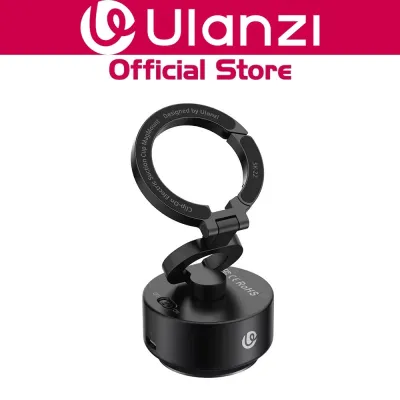
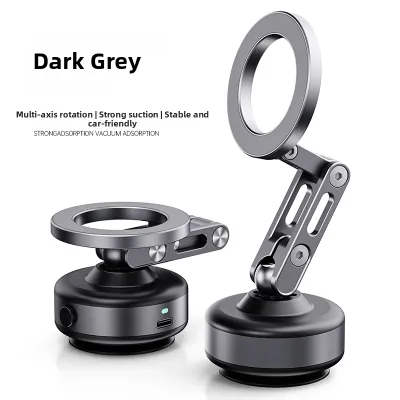
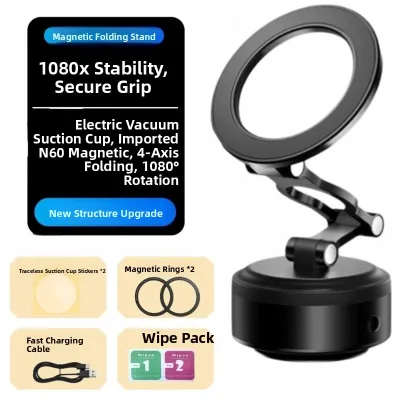
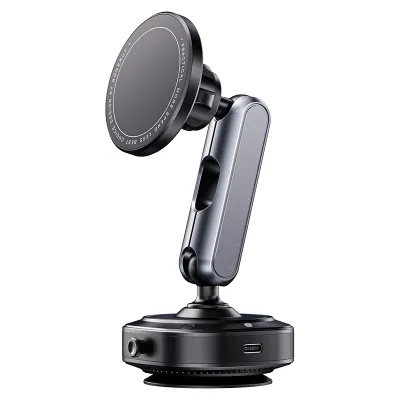
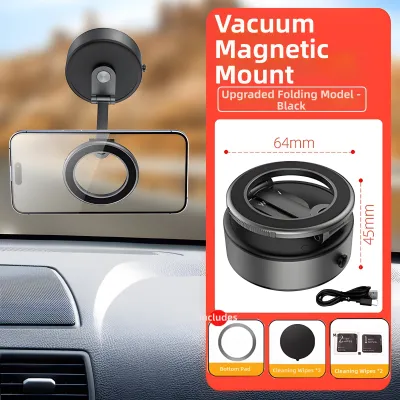
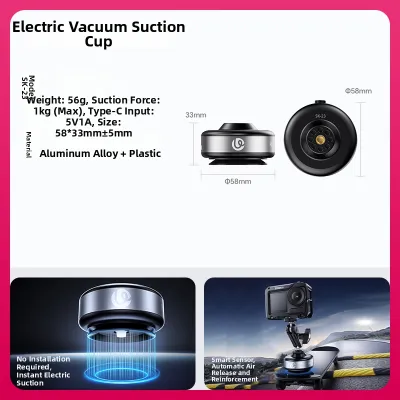
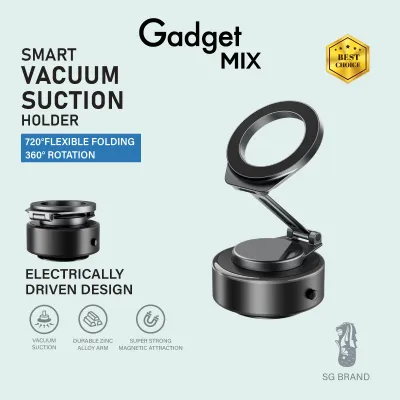
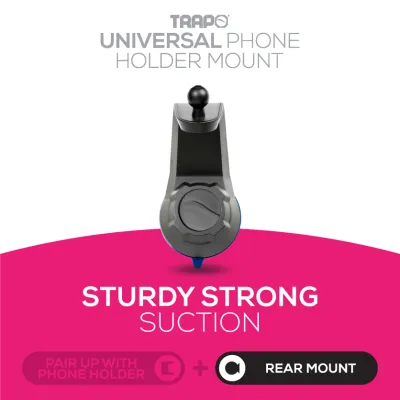
Prices are valid at publication and may change. Please refer to the product page for the latest price.
Interface responsiveness and ease of use also play a major role in your daily experience. Older resistive touchscreens or rotary-dial inputs can make entering a destination a tedious chore, particularly when you are parked and trying to set off quickly. If your system does not allow destination input while the vehicle is in motion, even for a passenger, the convenience of the system drops significantly.
Finally, check if your infotainment system supports modern smartphone projection protocols like Apple CarPlay or Android Auto. If your car has these features, your phone’s navigation apps can display directly on the built-in screen, combining the best of both worlds. In this scenario, a physical mount is rarely necessary unless you prefer to keep your phone screen visible for secondary tasks or lack a convenient storage cubby.
Signs You Actually Need an Electric Suction Mount
If your vehicle lacks smartphone projection or features an outdated infotainment system, an electric suction mount can bridge the technology gap. Unlike traditional manual suction mounts that rely on a mechanical lever to create a vacuum, electric models use an integrated sensor and micro-vacuum pump to actively monitor and maintain suction pressure. This technology ensures the mount remains firmly attached to your windshield or dashboard, even during sudden temperature drops or over bumpy roads.

Drivers who frequently undertake cross-city trips or long-distance journeys often find that smartphone navigation is indispensable. Apps like Google Maps or Waze rely on crowd-sourced, real-time data to provide instant re-routing, speed camera alerts, and hazard warnings. If your daily commute involves navigating unpredictable traffic bottlenecks, having your phone mounted securely in your direct line of sight allows you to react to these alerts without taking your eyes off the road.
An electric suction mount is also highly beneficial for households with multiple drivers who share a vehicle but use different phone models. Traditional mechanical cradles often require manual adjustments or specific phone cases to fit properly. Electric mounts with automated clamping arms use infrared or physical sensors to detect when a phone is placed in the cradle, automatically closing the arms to secure the device regardless of its size or weight.
Furthermore, if you rely on specific niche navigation apps—such as those tailored for delivery driving, off-road routing, or heavy vehicle limits—your car’s built-in system will not suffice. A dedicated, automated mount keeps your primary tool securely positioned, reducing the risk of the phone slipping onto the floorboards during a sharp turn or sudden stop.
Safety and Compatibility Checks Before Installing
Before purchasing and installing an electric suction mount, you must verify its compatibility with your vehicle’s interior surfaces and safety systems. Windshields are generally the most reliable mounting surface, but you must position the mount so it does not obstruct your forward view or create a blind spot. Dashboard mounting requires a smooth, non-porous surface; textured plastics, leather, or vinyl dashboards may not allow the suction cup to form an airtight seal, leading to repeated drops.
Airbag deployment zones are a critical safety consideration that drivers often overlook. Never place a phone mount, cable, or the phone itself on or near the dashboard panels marked “SRS Airbag.” In the event of a collision, a mount positioned in these zones can become a dangerous projectile or prevent the airbag from inflating correctly to protect you.
Operating temperatures also affect the performance and safety of electric suction mounts. High cabin temperatures, especially when parked under direct sunlight, can degrade the silicone suction pad and cause the internal battery of the electric mount to overheat. Review the manufacturer’s product label for specific operating and storage temperature limits, and consider removing the mount from the windshield if you plan to park outdoors for extended periods.
Cable management is another essential step in a safe installation. Because electric suction mounts require power to operate their internal vacuum pumps and automated clamps, you will need to run a USB cable from the mount to a car charger. Ensure this cable is routed neatly along the dashboard seams and does not drape across the steering column, gear shifter, or pedals, where it could interfere with your control of the vehicle.
Finally, establish a habit of inspecting the mount regularly. Even with active vacuum monitoring, dust and temperature fluctuations can slowly compromise the seal over time. A quick visual check and a firm press against the mounting surface before you start your journey can prevent the mount from detaching unexpectedly while you are driving.
Long-Term Costs and Daily Convenience Trade-Offs
When deciding between these two navigation methods, it is helpful to weigh the long-term financial costs against daily convenience. Built-in navigation systems often seem free because they are included in the vehicle’s purchase price, but keeping their maps updated can incur ongoing costs. Some manufacturers charge annual subscription fees or require you to purchase map update packages, which can add up to a significant amount over several years.
In contrast, an electric suction mount represents a one-time upfront investment, though prices vary depending on the features and build quality. While this is highly cost-effective, you must also consider the hidden cost of phone battery degradation. Running GPS navigation, mobile data, and a high-brightness screen simultaneously generates significant heat and drains the battery rapidly, making it necessary to keep your phone plugged into a charger during long trips.
The daily routine of using a phone mount also introduces minor inconveniences that built-in systems avoid. Every time you enter or exit your vehicle, you must mount or dismount your phone. While the automated clamping of an electric mount makes this process much faster than manual cradles, it is still an extra step.
Additionally, leaving an expensive smartphone or a high-tech electric mount visible on your windshield can attract unwanted attention when the vehicle is parked. To prevent theft or heat damage, you may find yourself frequently detaching the mount and storing it in the glovebox or center console, adding another step to your parking routine.
Final Decision Guide: Which Setup Fits Your Driving Habits?
To make your final choice, look closely at your typical driving patterns and your vehicle’s existing capabilities. If your daily drive consists of short, familiar commutes, and your car’s built-in system or smartphone projection works reliably, sticking with the integrated setup is the most seamless and clutter-free choice. There is little need to add hardware to your dashboard if your current system already gets you where you need to go without hassle.
However, if you drive an older vehicle without modern smartphone integration, frequently travel long distances, or rely heavily on real-time traffic apps to avoid daily gridlock, an electric suction mount is a highly practical upgrade. The automated clamping and active vacuum suction provide a level of stability and convenience that standard manual mounts cannot match, ensuring your phone remains secure and readable throughout your journey.
If you decide to purchase an electric suction mount, start by measuring your dashboard or windshield space to ensure a proper fit. Choose a model that matches your phone’s dimensions and weight, and follow the manufacturer’s instructions carefully during installation. By taking the time to route the power cable safely and verify the suction seal, you can enjoy the benefits of modern, app-based navigation without compromising your driving safety.
Frequently Asked Questions (FAQ)
Will an electric suction mount damage my windshield or dashboard?
An electric suction mount will not damage a standard glass windshield, provided the glass is clean and free of chips or cracks before installation. However, dashboard mounting carries a higher risk of cosmetic damage. The strong suction and adhesive gel pads used on some mounts can leave permanent rings, discoloration, or even warp soft-touch materials like leather, vinyl, or thin plastics. Always check your vehicle owner’s manual for warnings regarding dashboard accessories, and consider using a temporary adhesive disk or a windshield-only mounting position to protect sensitive interior surfaces.
Is an electric mount necessary if my car already has Bluetooth and USB ports?
While Bluetooth and USB ports provide excellent audio connectivity and power, they do not solve the physical challenge of viewing your navigation screen safely. If your car lacks a built-in screen or smartphone projection, you will still need a way to position your phone within your line of sight. An electric suction mount provides this physical support, allowing you to view map directions hands-free. The electric clamping mechanism also ensures you can mount and retrieve your phone with one hand, which is much safer and more convenient than struggling with manual spring-loaded brackets while seated in the cabin.

Community discussion
Share your experience or ask a question. Comments are reviewed before publication.