
The correct tire pressure specs to set on your electric bike pump are determined by the specific markings on your tire’s sidewall, not by generic online charts. Because bicycle tires vary widely in volume, construction, and intended use, setting the right target pressure on your digital pump requires matching the tire type, rider weight, and rim specifications.
An electric bike pump offers a convenient, automated way to maintain optimal inflation, but its digital accuracy is only as valuable as the target numbers you input. Operating your tires at the wrong pressure can compromise handling, accelerate tread wear, or even lead to sudden tire failure. Understanding how to locate, interpret, and apply these specifications ensures a safer and more efficient ride.
Where to Find Your Exact Tire Pressure Specs
The authoritative source for your tire’s pressure limits is molded directly into the rubber of the tire sidewall. Look closely at the side of your tire to find a raised text label indicating a minimum and maximum pressure range, usually expressed in both PSI and bar. Never exceed the maximum limit printed on the rubber, as doing so risks blowing the tire off the rim.
Products mentioned in this guide
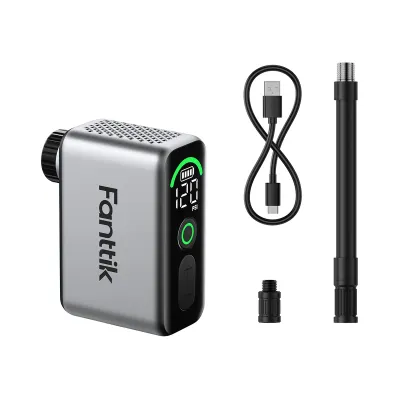
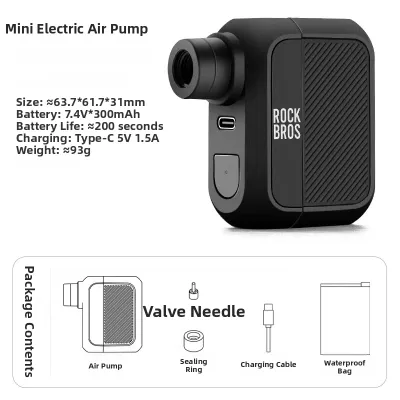
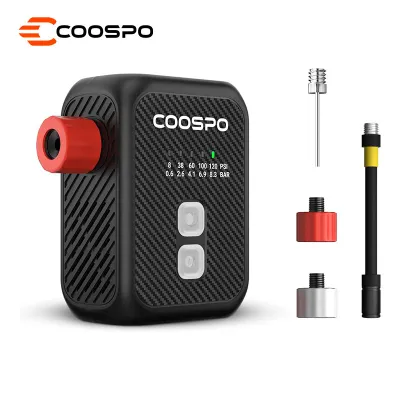
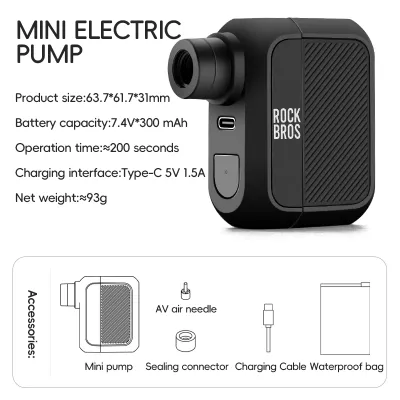
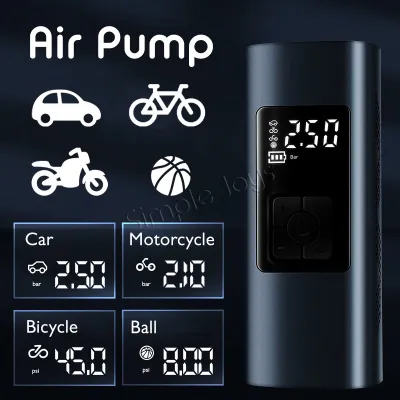
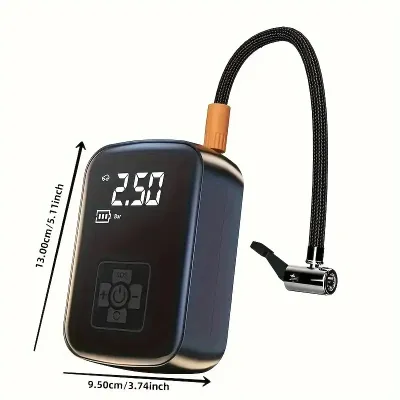
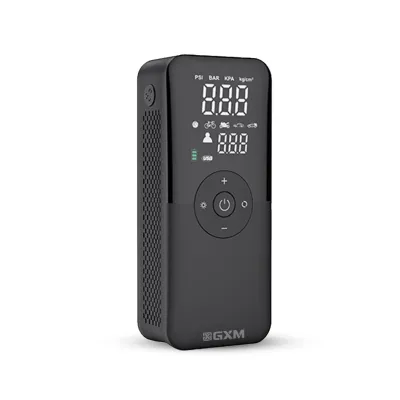
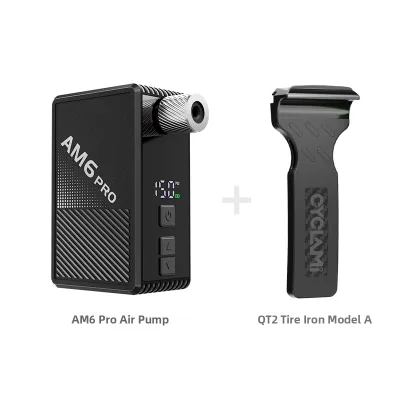
Prices are valid at publication and may change. Please refer to the product page for the latest price.
Consulting your bicycle or e-bike owner’s manual is equally essential, particularly for modern tubeless setups or carbon fiber rims. Some rim manufacturers specify a maximum pressure limit that is lower than the tire’s maximum limit. In these cases, the lower structural limit of the rim must always take precedence to prevent catastrophic wheel damage.
Generic online charts or forum recommendations should never override the physical markings on your specific equipment. Individual factors like rim width, tire volume, and total system weight—including the rider and any cargo—dictate where your ideal pressure falls within the manufacturer’s approved range. Always treat the sidewall markings as your absolute safety boundary.
Understanding PSI and Bar on Your Electric Bike Pump
PSI (pounds per square inch) and bar are the two primary units of pressure measurement used in cycling. PSI is highly common in many regions and offers precise, single-digit adjustments, while bar is a metric unit where one bar roughly equals atmospheric pressure at sea level. Knowing how to read both units prevents dangerous inflation mistakes.

Most modern electric bike pumps feature a digital display with a unit-toggle button, often labeled with a cycle icon or the letter “M” or “U”. Before starting the compressor, cycle through the settings to ensure the pump’s active unit matches the unit of measurement you read on your tire sidewall. Confusing the two units can lead to severe under-inflation or dangerous over-inflation.
While digital sensors on electric pumps are highly convenient, they can occasionally experience calibration drift over time. It is a good practice to periodically cross-check your pump’s digital reading with a dedicated, high-quality manual pressure gauge. This simple verification step ensures your automated tool remains accurate and reliable.
Pressure Characteristics by Bicycle Tire Type
Road and gravel tires are characterized by high-pressure, low-volume designs. Road tires require precise, higher pressure settings to minimize rolling resistance and prevent pinch flats, though modern tubeless setups allow for slightly lower pressures to improve comfort. Gravel tires use slightly more volume and lower pressures to maintain traction and absorb vibrations on mixed terrain.
Mountain and fat bike tires feature low-pressure, high-volume characteristics. Because these tires operate at much lower pressures, even a small variance of two or three PSI can drastically alter traction, cornering grip, and rim protection. Relying solely on an electric pump’s auto-shutoff at very low pressures requires caution, as some digital sensors are less sensitive at the bottom of their range.
City, commuter, and e-bike tires fall into a mid-range pressure category. These tires must balance rolling resistance, comfort, and puncture protection, especially when carrying heavy commuter bags or navigating uneven urban streets. E-bikes, in particular, require consistent pressure monitoring due to their heavier frames and higher average speeds.
Adjusting your pressure within the manufacturer’s stated sidewall limits is necessary based on total load and weather. Heavier riders or those carrying cargo should run pressures closer to the upper limit to prevent the tire from bottoming out on the rim. Conversely, wet weather conditions may warrant dropping the pressure slightly toward the lower limit to increase the tire’s contact patch and improve grip.
How to Safely Set and Inflate with an Electric Bike Pump
Begin by identifying your valve type: Presta (narrow, with a threaded locking nut), Schrader (wider, like a car valve), or Woods/Dunlop (common on some city bikes). Ensure you use the correct adapter on your electric bike pump head and secure it firmly. Refer to your bicycle documentation to verify valve compatibility and avoid damaging the valve core during attachment.
Turn on the pump, select the correct unit (PSI or bar), and set your target pressure using the interface buttons. The auto-shutoff feature is designed to stop the compressor once the target pressure is reached, but you should always remain nearby to monitor the process. Never leave an operating pump unattended.
Compact electric pumps generate significant heat during operation due to rapid air compression. Monitor the pump body and hose for overheating, especially when inflating high-volume mountain bike tires or multiple tires in succession. Allow the unit to cool down as recommended by the manufacturer to prevent internal damage.
Once the pump stops, verify the final pressure. Carefully disconnect the pump head to minimize air loss; a quick, decisive pull or unscrewing action prevents excessive air from escaping. Re-secure the valve cap or locknut immediately to maintain a tight seal.
Troubleshooting Common Electric Pump Issues
Rapid air loss during disconnection is a frequent issue, particularly with Presta valves. If you notice a significant drop in pressure when removing the hose, try tightening the valve core with a valve tool before inflation. Practicing a quick, straight disconnection technique also minimizes the amount of air that escapes.
If the pump’s auto-shutoff triggers prematurely or fails to stop at the exact target, check for kinks in the hose or blockages in the valve. A clogged valve core can cause backpressure, tricking the pump’s sensor into reading a higher pressure than what is actually inside the tire. Ensure the valve is fully open and clear before connecting the pump.
Persistent pressure loss is often blamed on pump inaccuracy, but it is frequently caused by slow leaks elsewhere. Inspect the valve core for tightness, check tubeless setups for rim tape failures or dry sealant, and inspect the tire tread for tiny punctures. If pressure drops rapidly after inflation, consult a qualified bicycle technician to inspect the tire and rim assembly.
Frequently Asked Questions (FAQ)
Can I use a car tire pressure spec for my e-bike tires?
No, you must never use automotive tire pressure specifications for bicycle or e-bike tires. Car tires operate at much lower pressures relative to their massive volume, whereas bicycle tires require specific, often much higher pressures to support the rider on a narrow contact patch. Applying a car’s pressure spec to a bicycle tire can lead to severe under-inflation, pinch flats, or catastrophic tire and rim damage.
Why does my electric bike pump get hot during inflation?
Electric bike pumps get hot because the physical process of compressing air generates substantial thermal energy within a very compact housing. This heat is normal, but small portable compressors have limited heat dissipation. To prevent internal damage, always adhere to the manufacturer’s recommended duty cycle and allow the pump to cool down between tires.
Community discussion
Share your experience or ask a question. Comments are reviewed before publication.