
To find the right electric pump for your bicycle, you must match the pump’s capabilities with your specific tire types. Road, mountain, and hybrid bikes all have distinct inflation needs, ranging from high-pressure demands to high-volume capacity. Selecting a pump with the correct pressure range, valve compatibility, and safety features ensures your tires remain properly inflated without risking damage to the tubes or rims.
Identifying the Correct PSI Range for Your Bicycle Tires
Before purchasing an electric pump, the first step is identifying the exact pressure requirements of your tires. This information is molded directly into the tire’s sidewall by the manufacturer, usually expressed as a range. Operating within this specified range is crucial for optimal rolling resistance, grip, and puncture protection.
Different cycling disciplines require vastly different tire characteristics. Road bike tires are narrow and require high pressure to minimize rolling resistance on smooth pavement. Conversely, mountain bike tires are wide and run at much lower pressures to maximize traction and absorb trail impacts. Hybrid and commuter tires sit in the middle, requiring moderate pressure to balance comfort and speed on urban streets.
Products mentioned in this guide
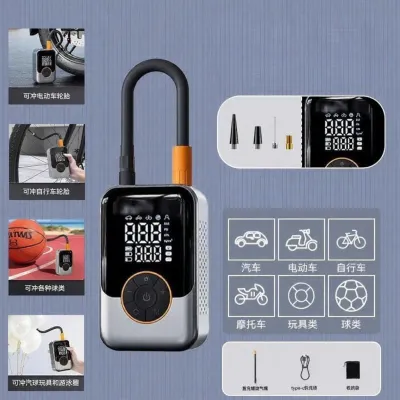
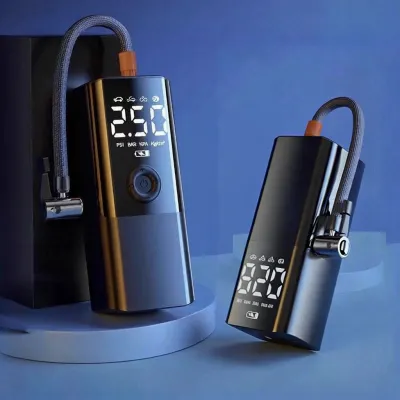
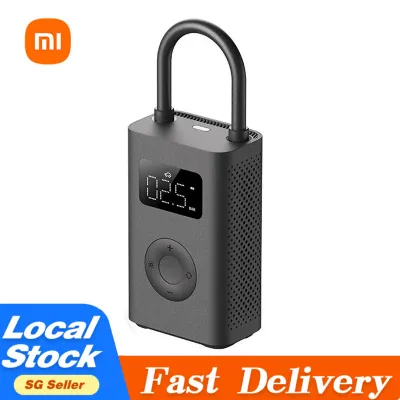
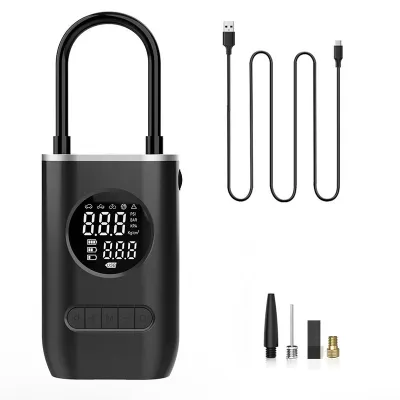
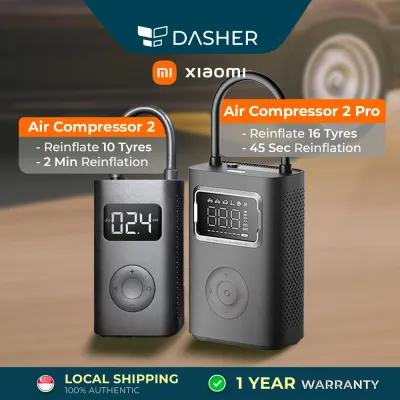
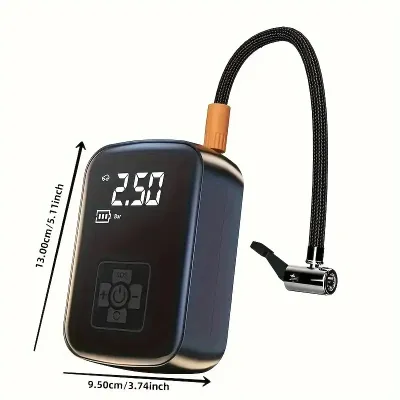
![[SG Stock] Air Pump Car Inflator Compressor Portable Ball Bike Bicycle Rechargeable Basketball Soccer Volleyball Tyre Wheel Tire 12V LED Fast Auto Shut-off Emergency](https://img.lazcdn.com/g/p/cc7d92c566c3860fbbfa1d535cc6f3bb.jpg_400x400q80.jpg_.webp)
Prices are valid at publication and may change. Please refer to the product page for the latest price.
When selecting an electric pump, you must ensure its maximum output exceeds your tire’s upper limit. Attempting to inflate a high-pressure road tire with a low-capacity pump can strain the motor, leading to premature pump failure or incomplete inflation. Conversely, using a high-pressure pump on a low-pressure tire requires careful monitoring to prevent over-inflation and potential blowouts.
Evaluating Core Specifications and Smart Features
An effective electric bicycle pump must balance pressure capacity with airflow speed. The maximum PSI rating indicates the highest pressure the pump’s motor can safely generate. Meanwhile, the airflow rate determines how quickly the pump can fill a tire. High airflow is particularly beneficial for mountain bike tires, which hold a large volume of air, and is essential if you need to seat tubeless tires.

To protect your wheels, prioritize pumps equipped with digital preset functions and automatic shutoff mechanisms. These features allow you to program your desired pressure before starting. Once the sensor detects that the tire has reached the target PSI, the pump automatically shuts down. This eliminates the risk of human error, preventing over-inflation that could warp your rims or burst your inner tubes.
Valve compatibility is another critical factor. Bicycle tires primarily use either Schrader valves (the wider style common on cars and utility bikes) or Presta valves (the slender, threaded style found on road and performance bikes). Ensure the electric pump features a dual-head nozzle or includes high-quality brass adapters that thread securely onto both valve types to prevent air leakage during high-pressure inflation.
Finally, consider the power source. Cordless electric pumps powered by rechargeable lithium-ion batteries offer maximum portability for roadside repairs. If you choose a battery-powered model, look for clear digital battery life indicators so you are never caught with a dead device. Alternatively, wired 12V pumps that plug into a vehicle’s accessory outlet are highly reliable for car-camping trips but lack on-the-go portability.
Balancing Portability with Performance for Your Setup
Choosing the right pump design depends heavily on where you plan to use it. If you need an emergency tool for long rides, prioritize a compact, lightweight handheld electric pump. These pocket-sized units fit easily into a jersey pocket, frame bag, or backpack, ensuring you can quickly resolve a flat tire on the road or trail.
For home garage maintenance, a larger, more robust electric pump is often the better choice. Larger units typically feature more powerful motors, larger batteries, and superior heat dissipation. Because compressing air generates significant heat, pumps with aluminum housings or integrated cooling fans can run longer without needing to cool down, which is ideal when inflating multiple bikes.
Additional utility features can also enhance your riding experience. Built-in LED lights are incredibly useful for illuminating tire valves during early morning commutes or late-night roadside repairs. Some portable pumps also feature USB output ports, allowing the device to double as a backup power bank to charge your phone or cycling computer in an emergency.
Selecting the Right Pump Profile for Your Riding Style
To finalize your decision, match the pump’s primary strengths to your specific riding style.
Road Cyclists: Focus on high-pressure capability and precise digital accuracy. Because road tires hold a small volume of air at high pressures, even a minor deviation in PSI can drastically affect ride quality and rolling resistance. Look for a pump rated up to at least 120 PSI with a highly sensitive digital gauge.
Mountain Bikers: Prioritize high airflow volume and rugged durability. Since mountain bike tires run at lower pressures but hold a massive volume of air, a pump that pushes air quickly will save you time. A durable, dust-resistant casing is also essential for surviving dirty trailside conditions.
Hybrid and Commuter Riders: Seek a versatile, all-in-one solution. A mid-range electric pump that easily switches between Presta and Schrader valves and offers a reliable auto-shutoff is perfect for weekly pressure top-offs and hassle-free daily commuting.
Frequently Asked Questions (FAQ)
Can I use an electric car tire pump for my bicycle?
You can use an electric car tire pump, but you must proceed with caution. Car pumps are designed to move large volumes of air and may lack the precise pressure sensors required for smaller bicycle tires. Because a bicycle tire has a much smaller volume than a car tire, a high-output automotive pump can over-inflate and burst a bike tire in a matter of seconds. If you use one, ensure it has a reliable digital gauge and auto-shutoff, and monitor the process closely.
How often should I check and inflate my bicycle tires?
Bicycle tires naturally lose pressure over time because inner tubes are slightly porous. It is highly recommended to check your tire pressure before every ride, or at least once a week for daily commuters. Additionally, changes in ambient temperature can cause tire pressure to fluctuate, making regular checks essential for maintaining optimal grip, preventing pinch flats, and protecting your rims from damage.
Community discussion
Share your experience or ask a question. Comments are reviewed before publication.