
Selecting the right electric air pump depends entirely on the specific tires you need to inflate. While a standard passenger car tire typically requires a moderate pressure of 30 to 35 PSI, a high-performance road bicycle tire can demand upwards of 100 to 120 PSI. To ensure safe and efficient operation, your electric air pump must have a maximum pressure rating that comfortably exceeds your tire’s recommended inflation level, paired with an appropriate airflow rate to handle the tire’s total volume. Choosing a pump based solely on a high maximum PSI number without considering these factors can lead to slow inflation, motor strain, or premature equipment failure.
Before purchasing or using any inflation device, always consult your vehicle’s official documentation or the tire manufacturer’s guidelines to verify the exact pressure limits and safety requirements. Maintaining correct tire pressure is critical for vehicle stability, braking performance, and overall road safety.
Decoding Electric Air Pump PSI Specifications
When shopping for an electric air pump, the most prominent specification is often the maximum pressure rating, typically expressed in pounds per square inch (PSI). However, there is a significant difference between a pump’s “Max PSI” and its continuous operating pressure. The Max PSI represents the absolute peak pressure the pump’s motor can momentarily achieve under laboratory conditions. In contrast, the continuous operating pressure is the level the pump can safely sustain during regular, real-world use without overheating or damaging its internal seals.
Products mentioned in this guide
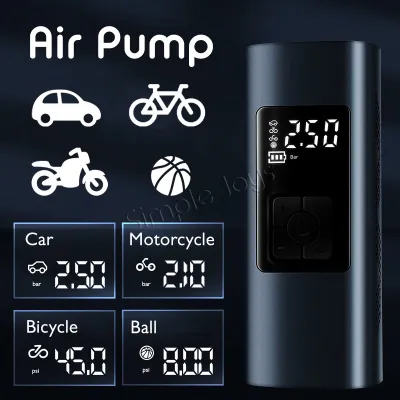
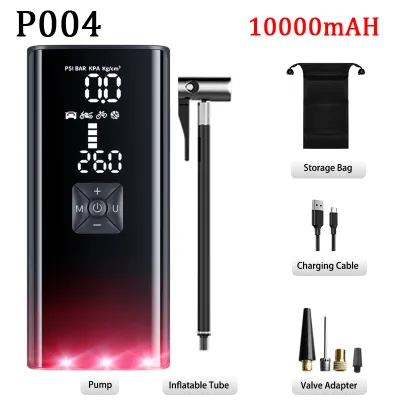
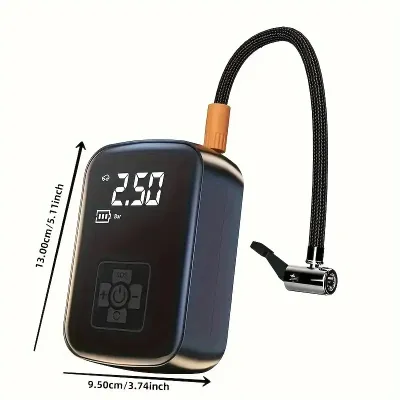
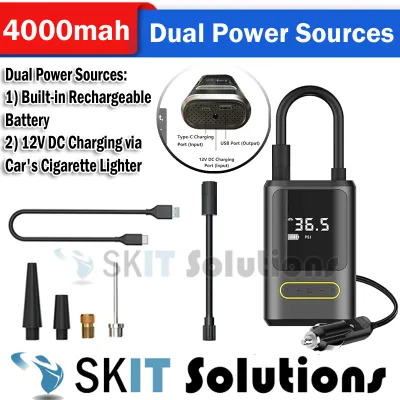
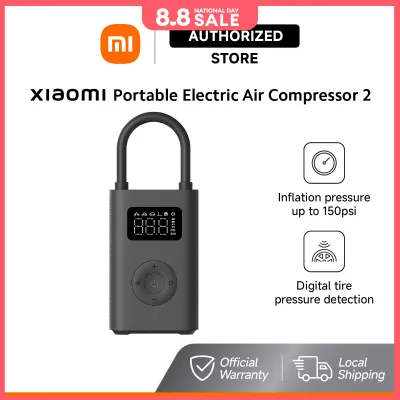
![[SG Stock] Air Pump Car Inflator Compressor Portable Ball Bike Bicycle Rechargeable Basketball Soccer Volleyball Tyre Wheel Tire 12V LED Fast Auto Shut-off Emergency](https://img.lazcdn.com/g/p/cc7d92c566c3860fbbfa1d535cc6f3bb.jpg_400x400q80.jpg_.webp)
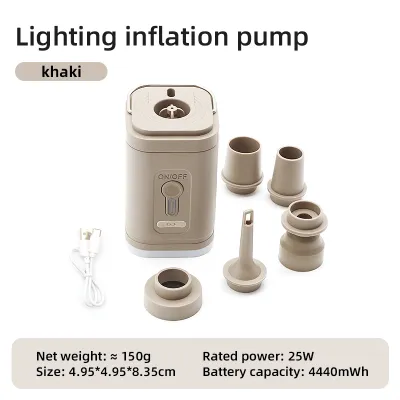
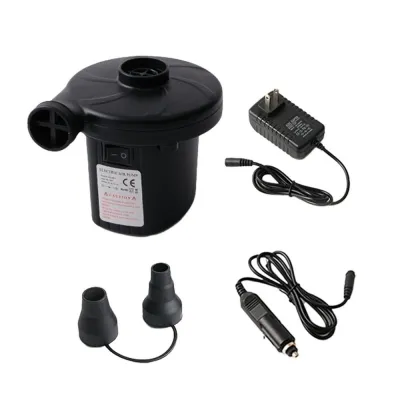
Prices are valid at publication and may change. Please refer to the product page for the latest price.
This distinction is closely tied to the pump’s duty cycle, which is the amount of time the motor can run continuously before it requires a cool-down period. Portable electric pumps, especially compact cordless models, often have limited duty cycles. Pushing a small pump to its absolute maximum PSI limit for an extended period causes rapid heat buildup. Without adequate rest, this thermal stress can degrade the internal lubricants, melt plastic components, and permanently damage the motor.
It is also a common misconception that a higher Max PSI rating automatically translates to faster inflation times. Inflation speed is actually determined by airflow volume, which is measured in cubic feet per minute (CFM) or liters per minute (L/min). A pump designed for high-pressure, low-volume applications—such as a bicycle shock pump—might reach very high PSI levels but will take an exceptionally long time to inflate a large, low-pressure car tire because it moves very little air with each stroke.
How to Find the Recommended PSI for Your Tires
To avoid under-inflation or dangerous over-inflation, you must locate the precise pressure specifications designated by your vehicle’s manufacturer. For passenger cars, SUVs, and light trucks, this information is not found on the tire itself. Instead, look for the tire information placard, which is typically a printed sticker located on the driver’s side door jamb, inside the glove compartment, or on the inside of the fuel filler flap. You can also find these specifications in your vehicle’s owner’s manual.

The pressure rating molded into the tire’s sidewall is the maximum inflation limit the tire can safely hold at its maximum load capacity, not the recommended daily driving pressure. Inflating your car tires to this maximum sidewall number can result in a harsh ride, uneven tread wear, and reduced traction. For motorcycles and bicycles, the recommended pressure range is usually printed directly on the tire sidewall or detailed in the manufacturer’s user guide, and this range may need to be adjusted based on rider weight, cargo load, and terrain.
Always measure and adjust your tire pressure when the tires are cold, meaning the vehicle has been parked for at least three hours or driven less than two kilometers. In warm tropical climates, such as Singapore, ambient temperatures and prolonged driving on expressways cause the air inside the tires to expand, temporarily raising the pressure reading. Checking pressure when the tires are hot will give an artificially high reading, which can lead you to under-inflate your tires.
Matching Pump Capacity to Different Tire Types
Different tire types require distinct combinations of air volume and pressure, meaning a single pump design may not be suitable for every vehicle in your garage. Passenger cars and larger vehicles require a high-volume, moderate-pressure approach. While the target pressure is relatively low, the sheer volume of air needed to fill a large car tire is substantial. A pump with a low airflow rate will struggle and may overheat before completing the job. Conversely, road bicycles require a low-volume, high-pressure approach, demanding a pump that can reliably push air against high resistance.
To protect the pump’s motor and ensure longevity, select an electric air pump with a maximum pressure rating that is at least 20% to 30% higher than your tire’s target PSI. For example, if your vehicle requires 35 PSI, a pump rated for at least 50 to 60 PSI will operate comfortably within its mechanical limits. This headroom prevents the motor from straining at its maximum capacity, reducing wear and tear on the internal pistons and seals.
Using an underpowered or low-PSI portable pump for high-pressure applications can lead to mechanical failure. Small, consumer-grade portable units are generally designed for emergency top-ups and are entirely unsuitable for high-volume off-road tires, commercial vans, or heavy-duty trucks. These larger tires require heavy-duty, direct-to-battery compressors that can sustain high airflow rates over extended periods without triggering thermal shutdown.
Essential Pump Features Beyond Pressure Ratings
While matching the PSI rating is crucial, several secondary features greatly impact the safety and usability of an electric air pump. A reliable digital auto-shutoff function is highly recommended. This feature allows you to set your desired target pressure beforehand; the pump will automatically stop inflating once that threshold is reached, preventing dangerous over-inflation and eliminating the need to constantly monitor a manual gauge.
Thermal protection is another vital safety feature, especially for compact portable pumps. Built-in thermal sensors will automatically pause the pump’s operation if internal temperatures exceed safe limits, protecting the motor from burning out during continuous use. Additionally, ensure the pump comes with or supports the correct valve adapters. Cars and most motorcycles use standard Schrader valves, while many road and mountain bicycles use narrower Presta valves.
Finally, consider the power source. Cordless, battery-powered pumps offer excellent portability but require a sufficiently charged lithium-ion battery to complete the job. If you plan to carry the pump in your vehicle for emergencies, verify that the battery capacity is rated to inflate multiple tires on a single charge, or choose a model that can also plug directly into your vehicle’s 12V auxiliary power outlet.
Frequently Asked Questions (FAQ)
Can I use a standard car tire inflator for a high-pressure road bike tire?
You can use a car tire inflator only if the pump’s maximum pressure rating exceeds the bicycle tire’s requirement and you use a compatible Presta valve adapter. However, because car inflators are designed for high-volume output, you must use a precise digital auto-shutoff feature to avoid rapidly over-inflating and bursting the smaller bicycle tire.
Does a higher Max PSI rating mean the pump inflates tires faster?
No, a higher Max PSI rating does not dictate inflation speed. Speed is determined by the pump’s airflow volume, measured in liters per minute or cubic feet per minute. A high Max PSI rating simply means the pump can overcome greater resistance to inflate high-pressure tires, but it may still have a low airflow rate.
What happens if I use a pump with a lower Max PSI than my tire requires?
If the pump’s maximum rating is lower than the tire’s required pressure, the pump will stall and fail to inflate the tire to the correct level. The motor will run continuously under extreme strain, leading to rapid overheating, potential thermal shutdown, or permanent mechanical failure of the internal seals and motor.
Community discussion
Share your experience or ask a question. Comments are reviewed before publication.