
Quick Answer: Which Protection Method Fits Your Needs?
Choosing the right paint care method depends on your vehicle’s current paint condition, your lifestyle, and your maintenance preferences. If your car’s paint looks dull, hazy, or has fine swirl marks, you need a polish to physically correct and restore the surface, as polishes do not provide protection.
If you want a warm, deep gloss and enjoy regular hands-on maintenance with an easy-to-apply sacrificial layer, a traditional wax is your best option. However, if you prioritize long-term hydrophobic properties, chemical resistance, and reduced washing effort, a ceramic coating is the superior choice.
Before applying any product, verify if your paint has deep scratches or a failing clear coat. These issues require professional assessment before any consumer-grade application.
Products mentioned in this guide
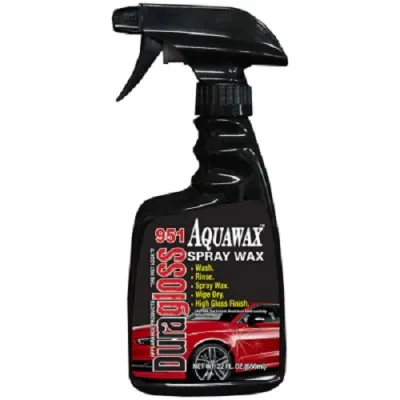
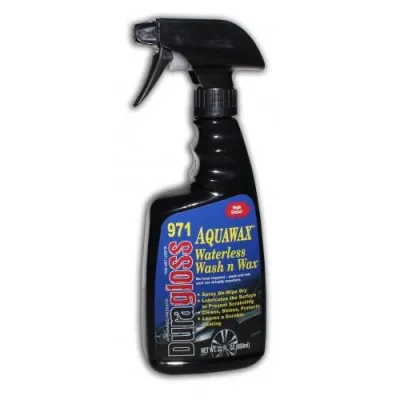
Prices are valid at publication and may change. Please refer to the product page for the latest price.
Understanding the Core Roles of Polish, Wax, and Ceramic Coating
To make informed decisions about your vehicle’s appearance, you must understand the distinct functions of each product category. Many car owners confuse paint correction with paint protection, leading to poor results. Your vehicle’s paint consists of a primer, a base color coat, and a top clear coat. Each product category interacts with this clear coat differently.

Paint Polish A polish is an abrasive or chemical compound designed to level the clear coat, remove defects, and restore clarity. It physically smooths out microscopic ridges and valleys so light reflects evenly, restoring depth. Polishes contain no protective ingredients; leaving polished paint bare exposes it to rapid environmental degradation.
Car Wax A wax (carnauba or synthetic sealant) is a sacrificial topping that sits on top of the clear coat. It adds depth, fills minor imperfections, and provides short-term hydrophobic behavior. Because they do not bond chemically, waxes gradually wear away from exposure to heat, rain, and washing, requiring regular reapplication. Natural carnauba wax is harvested from palm trees and offers unmatched warmth, whereas synthetic sealants use engineered polymers to extend durability.
Ceramic Coating A ceramic coating is a semi-permanent silica-based layer that chemically bonds to the clear coat. This creates a highly hydrophobic barrier with enhanced chemical resistance and slickness. It protects against bird droppings, acid rain, and road grime while delivering a sharp, glass-like reflective finish. Ceramic coatings utilize silicon dioxide (SiO2) nanotechnology to form a rigid, glass-like crystalline structure that is far more resilient than any wax or sealant.
These products are often used in a sequence (polish first to perfect the surface, then protect with wax or ceramic) rather than as mutually exclusive alternatives.
Key Comparison Dimensions for Vehicle Care
Evaluating the practical trade-offs between these three methods across dimensions like durability, application effort, and visual finish will help you choose the right approach for your garage. By understanding how each method performs under real-world conditions, you can balance the time spent detailing with the level of protection your vehicle actually needs.
Durability and Maintenance Requirements
The lifespan of your paint protection determines how often you must reapply products. Traditional waxes offer temporary protection, typically requiring reapplication every few weeks to a couple of months. Synthetic sealants extend this slightly, but still require seasonal maintenance.
In contrast, ceramic coatings offer an extended lifespan of several years. However, they still require regular, pH-neutral washing and occasional chemical decontamination to prevent water spotting and maintain their hydrophobic properties.
Durability claims depend heavily on environmental exposure, washing techniques, and adherence to the manufacturer’s specific maintenance instructions. In tropical climates like Singapore, intense UV rays, high humidity, and heavy downpours accelerate the degradation of any protective layer.
Using harsh, high-pH detergents or automatic brush car washes will rapidly strip away wax and can degrade the hydrophobic topcoat of a ceramic coating. Regular maintenance with a dedicated ceramic booster spray or a pH-neutral maintenance shampoo is essential to keep the coating performing at its peak over the years.
Application Effort and Skill Level
The physical labor and environmental conditions required for application vary dramatically. Waxes are generally forgiving and can be applied by hand or machine in various conditions. If you make a mistake, it is easily corrected.
Ceramic coatings require strict environmental and preparation controls. Application must occur in a shaded, dust-free environment with precise temperature and humidity control. You must carefully monitor the “flash time” after wiping the product onto a panel, leveling it promptly to avoid “high spots”—dark, cloudy patches of excess product that must be polished off if cured.
Applying a ceramic coating also requires a steady hand and excellent lighting to spot uneven coverage. If you work in high humidity, the product may flash much faster than expected, reducing your working window. Conversely, cold or damp conditions can delay curing, making it critical to follow the manufacturer’s environmental guidelines precisely.
Always check the specific DuraGloss product label for required curing times, flash times, and recommended application tools before starting.
Visual Finish and Paint Correction
The visual outcome of your detailing work depends on whether you perform paint correction first. Polishes are the only option for physically removing swirl marks, light scratches, and oxidation to restore true clarity.
Waxes and ceramic coatings produce distinctly different finishes. Natural waxes are celebrated for a warm, deep, “wet-look” reflection that enhances dark colors. Ceramic coatings deliver a high-gloss, glass-like, clinical finish that behaves like an extra layer of clear coat.
A high-quality polish removes the microscopic haze that dulls your paint, allowing the true color to shine through. When you apply a wax over this corrected surface, it fills any remaining micro-pores to create a smooth, glowing reflection. A ceramic coating, however, acts as a hard, transparent shell that amplifies whatever is underneath, meaning any uncorrected swirls will be highly visible under sunlight.
Remember that applying wax or ceramic over unpolished, defective paint will only lock in or highlight those imperfections under direct light.
How to Choose the Right DuraGloss Product for Your Lifestyle
Selecting the right paint protection requires matching your detailing routine to your daily lifestyle, budget, and vehicle usage patterns.
Daily Drivers For daily drivers exposed to harsh elements, a ceramic coating or robust synthetic sealant is ideal. The self-cleaning properties repel dirt and road grime, making weekly washes quick and low-effort. This is highly practical in climates like Singapore, where frequent rain can quickly dirty a vehicle.
Weekend Show Cars For a cherished weekend car kept in a covered garage, a premium carnauba wax is excellent. The warm, deep gloss enhances the vehicle’s lines, and the shorter durability is manageable since the car is shielded from daily wear.
Leased Vehicles If you lease your vehicle or plan to trade it in soon, a user-friendly liquid wax or synthetic spray sealant provides excellent short-term protection and gloss without the high cost and effort of a semi-permanent coating.
Cost-to-Benefit Ratio Factor in the price of the product, required prep materials (clay bars, iron decontaminators, panel prep sprays), and tools. While a basic wax setup might cost S$30 to S$50, a full DIY ceramic coating setup—including polishing tools—can range from S$150 to S$300. Weigh these costs against your willingness to perform regular maintenance versus seeking a low-effort washing routine.
To help you decide, consider this quick checklist:
- Time Commitment: Are you willing to spend a full weekend preparing and coating your car, or do you prefer a quick one-hour wax session?
- Washing Habits: Do you enjoy hand-washing your car every week, or do you want a surface that stays clean longer with minimal effort?
- Storage Conditions: Is your vehicle parked in a sheltered garage or exposed to the elements 24/7?
- Budget: Are you prepared to invest in polishing machines, pads, and decontamination chemicals, or do you want to keep costs to a minimum?
Essential Pre-Application Checks and Safety Boundaries
Achieving professional results requires strict preparation and safety boundaries to prevent paint damage and ensure proper product bonding.
The Decontamination Process Before applying any wax or ceramic coating, the paint must be surgically clean. Perform a thorough wash, followed by chemical decontamination with an iron remover, and a mechanical clay bar treatment with lubricant. Finish with an isopropyl alcohol (IPA) panel wipe to strip away remaining polishing oils, ensuring a bare clear coat for optimal bonding. For instance, when using a clay bar, always ensure the surface is heavily lubricated to prevent marring the paint.
The Test Spot Method When using polishes, always perform a test spot on a small, inconspicuous area first. This helps determine the correct pad and compound combination to achieve defect removal without burning through the clear coat. Start with the least aggressive polish and pad combination first, only moving to a heavier compound if necessary. This conservative approach preserves as much of your clear coat as possible while still achieving the desired clarity.
Identifying Paint Failures Never apply protective layers over failing clear coat (peeling, chalky white residue), deep scratches that catch a fingernail, or active rust. These issues require professional repair or repainting before any consumer-grade detailing.
Safety and Ventilation Many detailing chemicals emit strong vapors. Work in a well-ventilated area, wear nitrile gloves and safety glasses, and read the specific DuraGloss technical data sheet or product label for safety gear and ventilation requirements.
Frequently Asked Questions (FAQ)
Can I apply a ceramic coating over an existing layer of wax?
No, ceramic coatings require a completely bare, decontaminated clear coat to bond properly. Wax acts as a barrier, preventing the coating from chemically bonding to the paint, which leads to immediate failure. You must strip existing waxes or sealants using dedicated prep sprays, strip shampoos, or a light polish before applying a ceramic coating.
If you attempt to apply a ceramic coating over a waxed surface, the coating will simply slide off or fail to cure, wasting both your time and expensive product. Always use a dedicated panel wipe or isopropyl alcohol spray to verify the surface is completely bare before coating.
Do I still need to polish my car if I use a DuraGloss ceramic coating?
Yes, polishing is a mandatory preparation step before applying a ceramic coating. Ceramic coatings do not hide or fix paint defects; they act like a magnifying glass, locking in and highlighting any existing swirl marks, scratches, or dullness. Polishing ensures the paint is flawless and creates a perfectly smooth surface for optimal coating adhesion.
Even brand-new vehicles straight from the dealership often have minor swirl marks and transport film that must be polished away. Taking the time to polish the paint beforehand ensures that the semi-permanent ceramic barrier locks in a flawless, high-gloss finish that you will be proud of for years to come.

Community discussion
Share your experience or ask a question. Comments are reviewed before publication.