
DOT 3 brake oil is one of the most common hydraulic fluids used in automotive braking systems. When you press your vehicle’s brake pedal, this fluid transfers the mechanical force into hydraulic pressure, clamping the brake pads against the rotors to slow you down. Understanding what this specification means is essential for maintaining your vehicle’s stopping power and ensuring your braking system operates within its designed safety limits.
What the DOT 3 Specification Actually Means
The “DOT” in DOT 3 stands for the Department of Transportation, which sets the safety and performance standards for automotive fluids. The numerical grade indicates a specific class of fluid defined by its chemical composition and minimum boiling thresholds. DOT 3 is a long-standing industry standard designed to meet the demands of everyday passenger vehicles under typical driving conditions.
Chemically, DOT 3 brake oil is a glycol-ether-based fluid. One of the defining characteristics of glycol-based fluids is that they are hygroscopic, meaning they actively absorb moisture from the surrounding atmosphere over time. This moisture absorption occurs naturally through microscopic pores in the rubber brake hoses, seals, and the reservoir cap.
Products mentioned in this guide
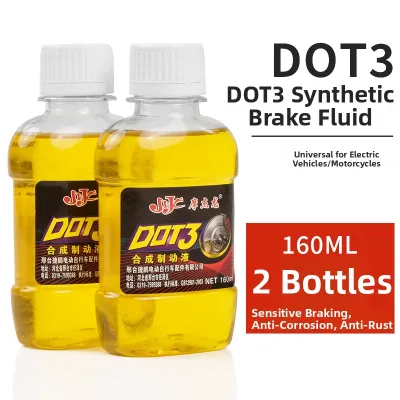
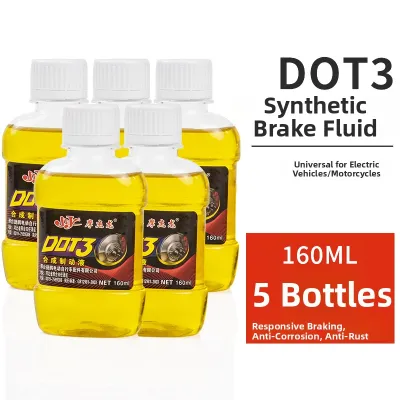
Prices are valid at publication and may change. Please refer to the product page for the latest price.
While other common grades like DOT 4 and DOT 5.1 are also glycol-based, they feature different chemical formulations that alter their boiling points and viscosity. DOT 3 is generally formulated for standard braking systems, whereas higher grades are often designed for vehicles that generate more heat during braking, such as heavy-duty trucks or performance cars.
Understanding Dry vs. Wet Boiling Points
When evaluating DOT 3 brake oil, the most critical specifications on the product label are the dry and wet boiling points. Because braking generates extreme heat through friction, the fluid must resist boiling. If the brake fluid reaches its boiling point, it vaporizes into gas bubbles, which can compress and lead to a spongy pedal or a complete loss of braking force.

The “dry” boiling point refers to the temperature at which the fluid will boil when it is brand new, fresh out of a sealed container, with zero percent moisture content. For DOT 3, the standard minimum dry boiling point established by regulatory authorities is 205 degrees Celsius (401 degrees Fahrenheit). This represents the fluid’s peak thermal resistance at the time of installation.
The “wet” boiling point is a far more critical safety metric for daily driving because it measures the fluid’s boiling threshold after it has absorbed a standardized amount of water—typically around 3.7 percent by volume. The minimum wet boiling point for DOT 3 is 140 degrees Celsius (284 degrees Fahrenheit). This lower threshold represents how the fluid performs after a period of real-world service.
When shopping for brake fluid, you can locate these minimum temperature ratings directly on the product label. Manufacturers must print these specifications to certify that the fluid meets or exceeds the regulatory standards for the DOT 3 classification.
How to Confirm DOT 3 Compatibility for Your Vehicle
Using the correct fluid specification is vital for your vehicle’s braking performance and component longevity. To verify if your vehicle requires DOT 3 brake oil, your first step should always be to consult the owner’s manual. This document contains the official manufacturer specifications for all service fluids.
You can also check the physical braking system itself. In most vehicles, the manufacturer stamps or prints the required fluid grade directly onto the yellow or black plastic cap of the brake fluid reservoir located in the engine bay. If the cap specifies DOT 3, you must use a fluid that meets this standard.
Using a fluid with a lower specification than what your vehicle’s manufacturer requires can lead to severe safety risks. If a vehicle engineered for a higher-temperature fluid is filled with a lower-grade fluid, the fluid may boil under heavy braking conditions, such as descending a steep hill or stop-and-go traffic, leading to sudden brake fade.
If your owner’s manual is missing, the reservoir cap markings are worn away, or you suspect the braking system has been modified with aftermarket components, do not guess the fluid type. In these situations, stop and consult a qualified automotive professional to identify the correct specification before adding any fluid.
Maintenance and Replacement Indicators
Because glycol-based brake fluid continuously absorbs moisture, its boiling point drops over time, making regular inspection and maintenance necessary. One of the simplest preliminary checks is a visual inspection of the fluid’s color and clarity. Fresh DOT 3 brake oil is typically clear with a light amber or yellow tint.
As the fluid ages, absorbs moisture, and accumulates microscopic debris from the braking system’s internal components, it turns dark brown or cloudy. While a dark color is a strong indicator that the fluid has degraded, visual appearance alone cannot precisely measure moisture content or chemical breakdown.
In highly humid climates, such as in Singapore, the rate of moisture absorption can be accelerated. This environmental factor makes regular checks and timely fluid replacement even more critical to prevent premature degradation of your braking system.
To get an accurate assessment of your fluid’s condition, automotive professionals use specialized moisture testing tools or chemical test strips. These tools measure the exact percentage of water contamination in the reservoir, helping you determine if the fluid has reached a critical threshold where boiling is a risk.
Rather than waiting for visual changes or symptoms like a soft brake pedal, the safest approach is to follow the vehicle manufacturer’s recommended service intervals for a complete brake fluid flush. These intervals are typically based on time or mileage and ensure the fluid is replaced before moisture levels compromise your safety.
Frequently Asked Questions (FAQ)
Can I mix DOT 3 and DOT 4 brake fluids?
Yes, because both DOT 3 and DOT 4 are glycol-ether-based fluids, they are chemically compatible and can be mixed without causing a chemical reaction or damaging your brake seals. However, doing so is generally not recommended as a permanent solution. Mixing DOT 4 into a system filled with DOT 3 will lower the overall boiling point of the mixture to a level closer to the weaker DOT 3 standard. If your vehicle specifically requires DOT 4, adding DOT 3 can dangerously lower the boiling point below the manufacturer’s safety threshold, so a complete system flush is always the best practice.
Is DOT 3 brake fluid suitable for all cars?
No, DOT 3 brake fluid is not suitable for all vehicles. While it remains a standard specification for many older and economy passenger cars, many modern vehicles, heavy-duty trucks, and high-performance cars require DOT 4 or DOT 5.1 fluids to handle higher operating temperatures and support advanced electronic braking systems like ABS and stability control. Additionally, DOT 3 must never be mixed with silicone-based DOT 5 fluids, which are chemically incompatible. Always refer to your vehicle’s owner’s manual to confirm the exact fluid specification required for your specific make and model.
Community discussion
Share your experience or ask a question. Comments are reviewed before publication.