
Entering and exiting your vehicle is a repetitive action that constantly exposes your door sills to friction, dirt, and impact. Over time, shoes, heels, and road debris can scrape away the clear coat and paint, leaving unsightly marks or even exposing the bare metal to rust. Car door sill guards solve this problem by acting as a protective barrier. These accessories are manufactured from several distinct materials, including stainless steel, carbon fiber, ABS plastic, clear paint protection film (PPF), and aluminum alloy. Each material offers a unique balance of durability, visual appeal, and installation requirements, allowing you to tailor the protection to your driving habits and vehicle style.
Why Door Sill Guard Material Matters
The primary function of a door sill guard is to shield your vehicle’s painted metal frames from shoe scuffs, grit, and loading damage. Every time a passenger steps into your car, their footwear carries abrasive particles like sand and dirt that act like sandpaper against your paint. Selecting the right material ensures that this daily friction is absorbed by a sacrificial barrier rather than your car’s factory finish.
Beyond protection, the material you choose dictates how well the guard integrates with your car’s interior styling. A polished metal plate might complement a luxury sedan, whereas a matte black plastic guard fits seamlessly into a rugged sport utility vehicle. Additionally, material rigidity directly influences how the guard adheres to the sill and how it behaves during removal.
Products mentioned in this guide
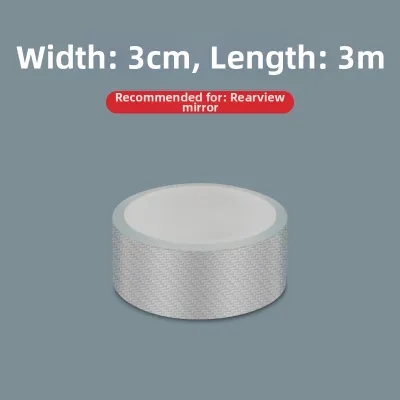
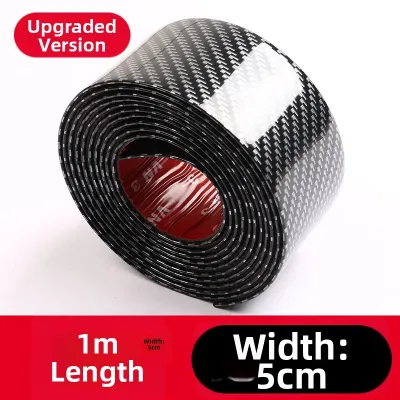
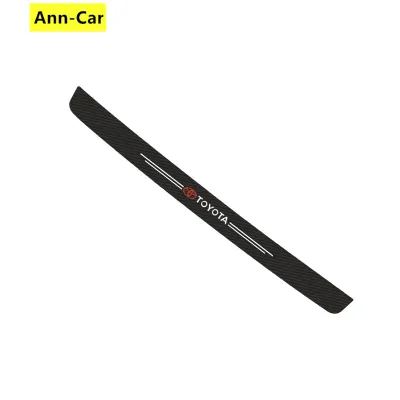
744 Lazada user ratings
I’ve received the product already. The store shipped it very quickly, and it arrived in Thailand relatively fast. The product is correct and…Read full reviewShow less
I’ve received the product already. The store shipped it very quickly, and it arrived in Thailand relatively fast. The product is correct and the price is affordable. I really like it—great, great, great!
Waiting for the product for a long time, the product looks good, the glue is very sticky, it is very difficult to wash off. hope that when t…Read full reviewShow less
Waiting for the product for a long time, the product looks good, the glue is very sticky, it is very difficult to wash off. hope that when the car is out of the car will not scratch.
It's okay. delivery is very slow. I have a lot of other things for a long time, but I have a lot of products on the cover.
Fast delivery, thank you But the packaging was all bunched up. The stickers are still in good condition, though.
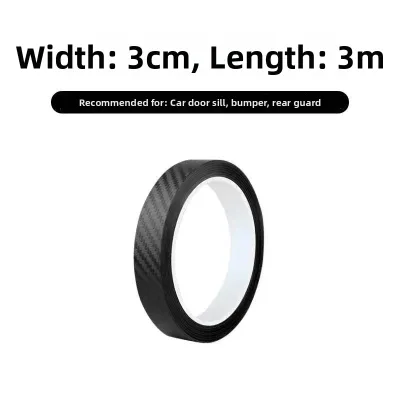
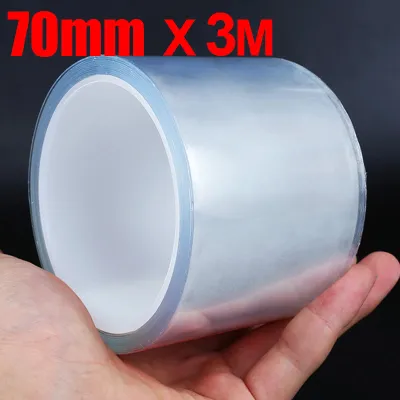
75 Lazada user ratings
I think glue layer is a bit too thick for my liking. exposed glue along edges of the tape could attract dust. otherwise product quite alrigh…Read full reviewShow less
I think glue layer is a bit too thick for my liking. exposed glue along edges of the tape could attract dust. otherwise product quite alright. tape is very sticky and will probably last long.
thumb up, great service fast delivery
Prevents scratches on the door edge
Quality:Good Performance:Good
Quality:not yet try
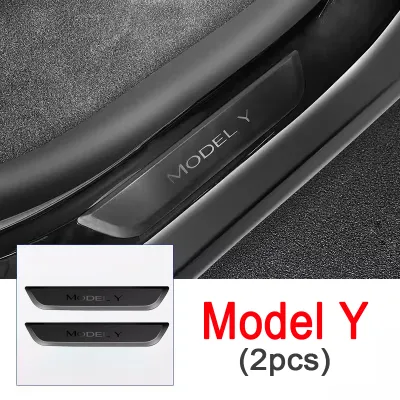
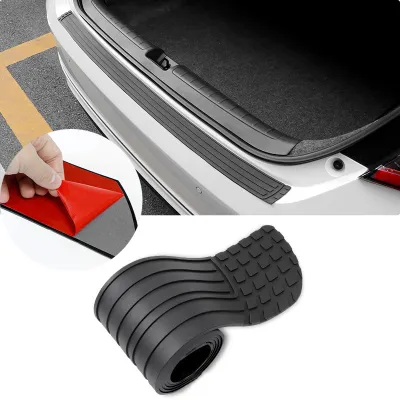
Prices are valid at publication and may change. Please refer to the product page for the latest price.
Common Door Sill Guard Materials Compared
The aftermarket automotive industry offers a diverse landscape of sill protectors, ranging from heavy-duty rigid plates to virtually invisible flexible films. Choosing between these options requires balancing your aesthetic preferences with the level of physical impact your vehicle typically encounters.

The fundamental trade-off lies between structural impact resistance and seamless contouring. Hard plates excel at absorbing heavy impacts from hard-soled boots or dropped cargo but cannot easily bend around complex, multi-angled sill designs. Flexible films offer less impact cushioning but provide complete, edge-to-edge coverage across highly contoured surfaces without altering the vehicle’s original body lines.
Stainless Steel
Stainless steel is a highly popular choice for drivers seeking a premium, classic, or OEM-style metallic look. This material is exceptionally durable and resists deep scratches from rocks and metal shoe eyelets. Manufacturers offer stainless steel guards in several attractive finishes, including brushed, highly polished mirror finishes, or custom laser-engraved designs.
Because stainless steel is heavy and rigid, it requires a flat or pre-contoured mounting surface to ensure proper adhesion. If the plate does not match the curve of your door sill, the internal tension of the metal can cause the edges to lift over time, allowing moisture and dirt to collect underneath.
When shopping, check product labels for rust-resistance grades. Opting for high-grade alloys like 304 stainless steel ensures the guard remains free of corrosion, even when exposed to wet weather.
Carbon Fiber and Carbon Fiber-Look Vinyl
For drivers who prefer a sporty, modern, or performance-oriented aesthetic, carbon fiber is a highly desirable option. Genuine carbon fiber guards are made from woven carbon filaments bonded with epoxy resin, offering an incredibly high strength-to-weight ratio. These guards provide excellent structural protection while adding a high-tech, race-inspired look to your vehicle’s door frames.
However, there is a significant difference between genuine carbon fiber and printed carbon-look alternatives. Many budget-friendly options are actually made of ABS plastic plates or flexible vinyl wraps printed with a carbon fiber pattern. While these alternatives mimic the distinctive diagonal weave pattern quite well, they do not offer the same structural rigidity as the real material.
If you choose carbon fiber or carbon-look vinyl, verify the product’s UV resistance and clear coat protection on the packaging to prevent yellowing or fading over time under intense sunlight.
ABS Plastic
ABS plastic is a highly versatile engineering thermoplastic widely used in automotive trim. ABS plastic sill guards are renowned for their exceptional impact resistance, toughness, and chemical stability. This material is highly moldable, allowing manufacturers to create vehicle-specific guards that wrap precisely around complex, three-dimensional sill shapes and outer edges.
ABS guards are typically available in matte, gloss, or textured black finishes, which match the factory plastic trim found on many modern vehicles. This makes them an excellent choice for drivers who want a subtle, factory-installed look that blends seamlessly with the existing interior plastics.
Before purchasing ABS plastic guards, check the manufacturer’s instructions regarding temperature limits and adhesive compatibility. High-quality ABS is formulated to withstand cabin heat, but cheaper plastics can warp if exposed to extreme temperatures.
Clear Protective Film (PPF)
If you prefer to maintain your vehicle’s original factory appearance without adding any visible hardware, clear paint protection film (PPF) is the ideal solution. Often referred to as clear bra material, PPF is a highly flexible, polyurethane-based film that is applied directly to the painted surface of your door sills. It acts as an invisible shield, allowing the factory paint color to shine through completely.
The primary advantage of PPF is its thin profile and extreme flexibility. Unlike rigid plates, PPF can be stretched and squeegeed over complex curves, compound angles, and deep recesses, providing seamless, edge-to-edge coverage.
When selecting a clear protective film, verify the manufacturer’s claims regarding the film’s thickness, self-healing properties, and expected lifespan to ensure your invisible protection remains clear and unblemished.
Aluminum Alloy
Aluminum alloy serves as an excellent lightweight metallic alternative to stainless steel. It offers a modern, clean aesthetic that complements contemporary vehicle interiors. Aluminum guards are often finished with anodized coatings, brushed textures, or matte silver paint, giving you a wide range of styling options to match your car’s cabin trim.
One of the main benefits of aluminum is its low density, which makes the guards lightweight and easy to handle during the installation process. Because aluminum is more malleable than stainless steel, it can be slightly formed by hand during installation to match minor variations in the door sill’s contour, ensuring a more flush fit.
However, aluminum is generally softer than stainless steel, meaning it can scratch more easily. To mitigate this, check the product specifications for the durability of the anodized layer and scratch resistance.
How to Choose the Right Material for Your Vehicle
Selecting the perfect door sill guard material requires evaluating your vehicle type, aesthetic preferences, and daily usage patterns. If you drive a luxury sedan, the premium look of brushed stainless steel or the invisible protection of clear PPF may be the most appropriate choice. For sporty hatchbacks, carbon fiber adds a cohesive performance accent, while rugged ABS plastic offers the most practical defense for family SUVs or ride-sharing vehicles experiencing heavy foot traffic. Always verify your exact vehicle model, year, and sill dimensions from the product and vehicle documentation before purchase, as you should never infer compatibility from a generic category term.
Your local environment also plays a critical role in material performance. In hot and humid climates like Singapore, interior cabin temperatures can rise significantly when the car is parked outdoors. This intense heat can weaken low-grade adhesives, causing rigid plates to shift or lift. When choosing a guard, verify the temperature ratings on the product label and ensure the adhesive backing is rated for automotive use in high-humidity environments.
Finally, consider your long-term plans. If you plan to sell the car in a few years, clear PPF is highly recommended as it can be cleanly peeled off before sale. If you plan to keep the vehicle long-term, a set of high-quality stainless steel or ABS plastic guards will provide lasting protection.
Installation and Maintenance Considerations by Material
Regardless of the material you choose, proper surface preparation is the single most important factor for a successful installation. Before applying any guard, clean the door sill thoroughly with an approved automotive wax and grease remover or a diluted isopropyl alcohol solution to remove all traces of dirt, polish, and road grime. Ensure these cleaners are used only for label-authorized applications, as a material name alone does not prove safety for your specific paint, plastics, or rubber seals. The surface must be completely dry and free of contaminants to allow the adhesive to form a strong, permanent bond.
Ongoing maintenance requirements vary significantly by material. For stainless steel and aluminum guards, avoid using abrasive metal polishes or steel wool, which can ruin brushed finishes. For clear protective films and ABS plastics, avoid harsh chemical solvents, degreasers, or petroleum-based cleaners, as these can cause the film to cloud or degrade chemically. Use only mild automotive soap and water for routine cleaning.
If your installation requires disassembling any factory trim, electrical components (such as illuminated sill plates), or restraint system covers, always consult your original-vehicle instructions. If you are unsure of the safety boundaries or lack clear care instructions, stop and seek qualified installation or consult a professional detailer before proceeding.
Frequently Asked Questions (FAQ)
Can I install metal sill guards over existing factory plastic sills?
Before attempting this installation, you must carefully check the surface texture of your factory plastic sill. Rigid metal plates require a flat, smooth, and non-porous surface to achieve a secure bond. Many factory plastic sills feature heavily textured, grained, or curved designs that prevent double-sided tape from making full contact. Attempting to stick a rigid metal plate onto a textured plastic surface often results in the plate lifting, which can trap moisture and debris underneath. If your factory sills are textured, it is generally safer to use a flexible film or look for guards specifically molded to lock over the existing plastic trim.
Will removing a door sill guard damage my car's paint?
The risk of paint damage during removal depends heavily on the material of the guard and the type of adhesive used. Rigid metal or plastic plates bonded with high-strength automotive tape require careful handling to avoid bending the plate into the paint or pulling up the clear coat. Flexible films like PPF are designed to be removable, but they still require proper technique. To safely remove any door sill guard, apply gentle heat from a hair dryer to soften the adhesive, then slowly peel the guard back at a sharp angle. Never use metal scrapers or harsh household solvents. Instead, use an approved automotive adhesive remover and consult your vehicle manufacturer’s guidelines for safe paint care to ensure the clear coat remains completely intact.

Community discussion
Share your experience or ask a question. Comments are reviewed before publication.