
Many car owners in Singapore notice their engine running slightly louder or feeling less responsive during daily commutes, leading them to wonder if a specialized friction modifier like Ceratec can restore that factory-smooth feel. While ceramic-based engine treatments can reduce friction and wear in older or heavily stressed powerplants, they are not a cure-all for mechanical damage, nor are they necessary if you already use high-quality synthetic oils that meet your manufacturer’s precise specifications. Deciding whether to invest in an additive requires evaluating your vehicle’s current symptoms, mileage, and existing oil formulation. By understanding what these treatments can and cannot do, you can avoid unnecessary expenses and keep your vehicle running reliably.
What observable engine symptoms indicate increased friction or wear?
Identifying physical signs of friction involves listening closely to your engine during cold starts and monitoring its overall refinement during daily driving. When an engine sits overnight, oil drains back into the oil pan, leaving internal components with only a thin residual film of lubrication. If you hear a distinct ticking or tapping sound when you first start the car in the morning, it often points to temporary lubrication delays where metal parts are contacting each other before oil pressure builds.
Changes in oil consumption rates between standard service intervals can also signal rising internal friction and wear. As piston rings and cylinder walls wear down, the physical seal between them degrades, allowing small amounts of oil to slip into the combustion chamber and burn off. If you find yourself topping up your oil more frequently than usual without any visible external leaks, this is a strong indicator of increased internal clearance and friction.
Products mentioned in this guide
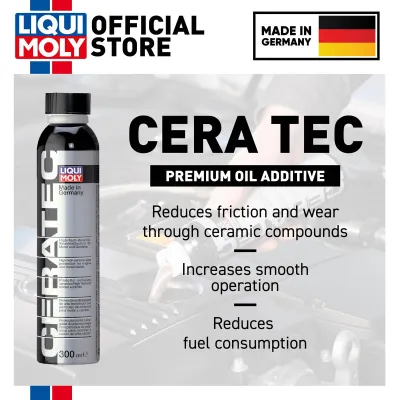
96 Lazada user ratings
fast delivery, already brought the 3rd time. After pouring it with the engine oil and running for at least 1 week, you will feel the engine …Read full reviewShow less
fast delivery, already brought the 3rd time. After pouring it with the engine oil and running for at least 1 week, you will feel the engine is smoother and response is quicker.
Has been using this since previous to current vehicle . Aid in reduction of wear and tear in engine. It take about 1-2k km for ceratec to ru…Read full reviewShow less
Has been using this since previous to current vehicle . Aid in reduction of wear and tear in engine. It take about 1-2k km for ceratec to run in completely .
Authentic and reasonably priced. Highly recommended
Well received.
Slow shipping
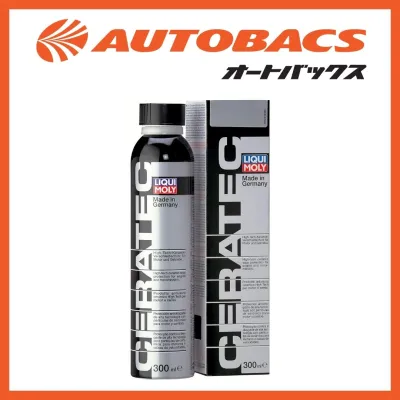
97 Lazada user ratings
Repeat customer: good stuff for your car engine especially if u are experiencing issues with morning starts. Keeps engine smooth and ever re…Read full reviewShow less
Repeat customer: good stuff for your car engine especially if u are experiencing issues with morning starts. Keeps engine smooth and ever ready to rev. A must hav after every oil change!
Great products from Moly and delivered on time.
Quick delivery and no fuss. Will buy again.
💪Effectiveness:excellence service
very good fast deliver service
Prices are valid at publication and may change. Please refer to the product page for the latest price.
A gradual, noticeable decline in smooth acceleration or a loss of overall engine refinement during acceleration can indicate that internal components are experiencing higher resistance. You might feel that the engine has to work harder to maintain highway speeds, or notice a slight drop in fuel efficiency over several months. These subtle changes suggest that the boundary lubrication properties of your current oil may need support under high-load conditions.
However, it is crucial to distinguish normal engine acoustics from actual mechanical wear signals. Modern direct-injection engines naturally produce a rapid clicking sound from their high-pressure fuel injectors, which is entirely normal and unaffected by oil additives. True mechanical wear signals are typically deeper, heavier metallic sounds, such as a low-pitched rod knock or a persistent piston slap, which indicate severe physical clearance issues.
If you notice persistent metallic grinding, heavy vibrations, or a screeching sound from the engine bay, these are signs of advanced component wear or bearing failure. No chemical additive, regardless of its formulation, can repair physical metal loss or restore worn-out bearings. Recognizing these symptoms early helps you decide whether your engine is a candidate for a preventative friction modifier or if it requires immediate professional diagnostics.
At what vehicle age and mileage do engine treatments become relevant?
Engine treatments generally become relevant only after a vehicle has accumulated significant mileage or has been subjected to severe operating conditions over several years. As a vehicle passes high-mileage thresholds, typically around 80,000 to 100,000 kilometers, factory internal clearances between moving parts may naturally expand due to long-term wear. This expansion can lead to minor compression loss and increased oil consumption, making supplementary friction modifiers more beneficial.

Severe driving conditions, such as the frequent stop-and-go traffic and high ambient temperatures experienced daily in Singapore, accelerate this wear by keeping the engine operating under high thermal stress. In urban environments, engines spend a significant amount of time idling or accelerating from a standstill, which places high load on the engine bearings. Under these demanding conditions, the protective oil film can thin out, making a supplementary friction modifier helpful to cushion metal-on-metal contact.
Conversely, brand-new or recently overhauled engines do not require aftermarket friction modifiers because their internal tolerances are tight and their factory-filled oils are optimized for break-in. Adding an aftermarket treatment to a new engine can actually interfere with the natural seating of piston rings against the cylinder walls, which is necessary for a proper seal. Furthermore, using unauthorized additives during the vehicle’s warranty period can void your manufacturer’s warranty if an engine issue arises.
For mid-life vehicles that have covered between 40,000 and 80,000 kilometers, the decision to use an engine treatment depends heavily on maintenance history. If the vehicle has received regular oil changes with high-quality synthetic oils, the internal components are likely still in excellent condition, rendering extra treatments unnecessary. However, if the service history is inconsistent, a friction modifier might offer a layer of preventative protection against accumulated wear.
Ultimately, you should evaluate your vehicle’s lifecycle stage before purchasing any additive. If your car is still under its factory warranty, the safest course of action is to stick strictly to the manufacturer’s recommended oil specifications without adding external chemicals. For older, out-of-warranty vehicles operating in harsh urban environments, a ceramic-based friction modifier can serve as an extra safeguard for aging internal components.
How can you verify if your current motor oil already provides adequate friction modification?
You can verify your oil’s protective capabilities by reading the technical specifications and additive standards printed directly on the product label. Modern high-quality motor oils, especially those certified under API (American Petroleum Institute) or ACEA standards, already contain robust, carefully balanced friction modifier packages. These formulations are engineered by chemical specialists to provide excellent wear protection, fuel economy, and deposit control without any external help.
Dedicated high-mileage formulations are specifically engineered with extra anti-wear agents, such as zinc and phosphorus, alongside seal conditioners that help prevent leaks. If you are already using a premium synthetic oil designed for high-mileage vehicles, it is highly likely that your engine is already receiving all the friction protection it needs. Adding another chemical treatment on top of this can disrupt the delicate balance of the oil’s existing additive package.
Altering a carefully balanced oil additive package by pouring in an aftermarket treatment carries the risk of chemical incompatibility. Motor oils are complex chemical mixtures where different additives—such as detergents, dispersants, anti-wear agents, and viscosity index improvers—compete for space on metal surfaces. Introducing a large dose of an external friction modifier can cause some of these essential additives to drop out of suspension or lose their effectiveness.
Before purchasing any treatment, check your vehicle’s manual for specific oil approvals, such as MB-Approval, BMW Longlife, or VW specifications, and compare them with your current oil bottle. These manufacturer approvals guarantee that the oil has passed rigorous testing to protect your specific engine design under all operating conditions. If your current oil meets these exact standards, adding an aftermarket treatment is unlikely to provide any measurable performance increase.
If you want to know the exact condition of your engine and the effectiveness of your current oil, consider performing a used oil analysis (UOA). A UOA involves sending a small sample of your drained engine oil to a specialized laboratory, which will analyze the wear metals, contaminant levels, and remaining additive strength. This scientific test provides concrete evidence of whether your current oil is doing its job or if your engine is experiencing abnormal wear that might justify a friction modifier.
When is using an engine treatment like Ceratec an unnecessary expense?
Using an engine treatment is an unnecessary expense when your vehicle is suffering from severe mechanical failures or when basic maintenance has been neglected. Chemical additives cannot repair physical damage, meaning they will not restore lost cylinder compression caused by cracked piston rings or fix failing physical seals that are actively leaking oil. If your engine has a blown head gasket or a cracked engine block, pouring in an additive will do absolutely nothing to resolve the issue.
If your engine is burning oil rapidly, producing blue smoke from the exhaust, or making loud clattering noises, spending S$30 to S$50 on a bottle of treatment is a wasted expense. These symptoms indicate that components have worn past the point where friction reduction can help, and physical replacement of parts is the only viable solution. In these scenarios, the money spent on additives would be much better directed toward a professional mechanical diagnosis and repair.
In many cases, a simple, high-quality oil and filter change using the correct viscosity grade is the most appropriate and cost-effective solution to restore engine smoothness. Over time, engine oil degrades, loses its viscosity, and becomes saturated with contaminants, which can cause the engine to run louder and feel less responsive. Replacing this old, degraded oil with fresh, clean oil will often resolve minor noise and refinement issues without the need for any extra additives.
Relying on additives to extend oil drain intervals beyond the manufacturer’s recommended limits is a dangerous practice that leads to harmful sludge buildup. No friction modifier can prevent the thermal breakdown of the base oil or stop the accumulation of combustion byproducts over time. If you attempt to skip regular oil changes by simply adding a bottle of treatment, you risk causing severe internal engine damage that is incredibly costly to repair.
Always prioritize physical repairs and routine maintenance over chemical quick-fixes to ensure the long-term reliability of your powertrain. If your budget is limited, investing in a premium oil filter and a high-grade synthetic oil that meets your manufacturer’s specifications will always yield better, safer results than using a cheap oil combined with an aftermarket additive.
What safety checks and application limits must you follow before adding an engine treatment?
Before adding any engine treatment, you must perform essential safety checks to ensure compatibility and prevent accidental damage to your engine. Always consult your vehicle owner’s manual and the treatment manufacturer’s label to verify exact compatibility, dosage limits, and any potential warranty restrictions. Some engine designs, particularly those with wet clutches or specialized oil-bath timing belts, may have strict prohibitions against certain friction modifiers.
Ensure the engine is at its normal operating temperature before application, and check the dipstick to confirm that adding the treatment will not overfill the oil sump. Most engine treatments are designed to be added directly to the oil filler neck, but they occupy physical volume in the oil pan. If your oil level is already at the maximum mark on the dipstick, adding a 300ml bottle of treatment will overfill the system, which can lead to serious lubrication issues.
Overfilling the engine oil can lead to aeration, where the rapidly spinning crankshaft whips the excess oil into a thick foam. This foamy oil cannot be pumped effectively by the oil pump, leading to a sudden drop in oil pressure and severe metal-on-metal wear throughout the engine. To avoid this, you should ideally add the treatment during a fresh oil change, substituting a portion of the required motor oil volume with the treatment to keep the total volume at the correct level.
If pulling the dipstick or opening the oil filler cap reveals thick black sludge, milky white emulsion, or shiny metallic particles, stop immediately and consult a qualified mechanic. Thick sludge indicates severe oil neglect that requires a professional engine flush, while a milky emulsion suggests coolant is leaking into the oil, usually due to a failed head gasket. Shiny metallic particles are a clear sign of active component destruction, and running the engine further with or without additives will cause catastrophic failure.
Finally, always follow the manufacturer’s instructions regarding the mixing process, which often involves shaking the bottle thoroughly to ensure the active ceramic particles are fully suspended before pouring. Once added, drive the vehicle for at least ten to fifteen minutes to allow the treatment to circulate completely and bond with the internal metal surfaces under operating temperatures. Taking these careful steps ensures that you protect your engine while maximizing any potential benefits the treatment has to offer.
Community discussion
Share your experience or ask a question. Comments are reviewed before publication.