
Many car owners wonder if they need a heavy-duty interior cleaner like Sonax CleanStar to maintain their vehicle’s cabin. The straightforward answer is that for daily maintenance, you generally do not need a specialized deep cleaner. Standard routine care—such as quick vacuuming and wiping down surfaces with a damp microfiber cloth or a mild, pH-neutral interior detailer—is perfectly adequate for keeping dust and light surface oils at bay.
Deep cleaners are formulated as restorative solutions rather than daily maintenance products. They are designed to target stubborn, embedded grime, body oils, and deep-seated odors that standard detailers cannot touch. If your car seats only show light dust or fresh, easily wiped spills, sticking to your regular maintenance routine is the safest and most economical path.
However, if you notice persistent odors, sticky residues, or a noticeable change in the texture and color of your leather or fabric seats, a specialized deep cleaner is highly justified. Using a dedicated product can restore the material’s integrity and prevent long-term degradation.
Products mentioned in this guide
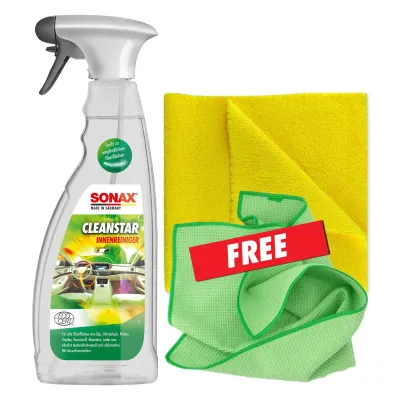
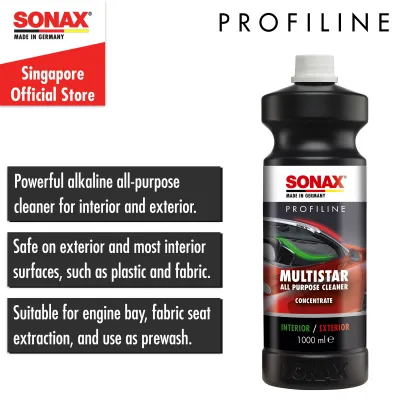
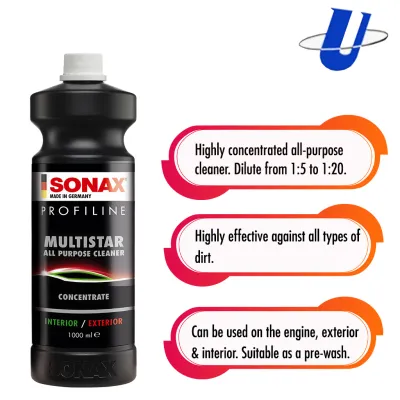
Prices are valid at publication and may change. Please refer to the product page for the latest price.
Regular Cleaners vs. Deep Cleaners: Understanding the Difference
Understanding the chemical and functional differences between regular interior detailers and deep cleaners is crucial to protecting your car’s cabin. Regular interior detailers are designed for light, frequent use. They typically feature mild surfactants, anti-static agents, and sometimes light UV protectants. Their primary job is to lift loose dust, light fingerprints, and minor surface smudges without altering the underlying material’s finish.
Because they are mild, regular detailers can be used weekly without risking damage to delicate interior surfaces. They do not penetrate deeply into the material, which makes them safe for frequent maintenance but ineffective against heavy contamination.
In contrast, deep cleaners like Sonax CleanStar are formulated with stronger, active surfactants, chelating agents, or enzymes specifically engineered to break down stubborn organic compounds, grease, and deeply embedded dirt. They penetrate into the pores of leather or the weave of fabric to lift contaminants to the surface for extraction.
While highly effective, using these powerful formulations too frequently can backfire. Over-cleaning with strong agents can strip the delicate protective polyurethane topcoats found on modern automotive leather, leading to premature cracking, fading, or peeling. For fabric seats, excessive chemical exposure can degrade the synthetic fibers and strip away factory-applied stain repellents. Therefore, a deep cleaner should always be treated as a targeted, restorative intervention rather than a replacement for your regular weekly wipe-down.
Diagnostic Checklist: Visual and Tactile Signs Your Seats Need More
To help you determine whether your car interior has crossed the line from slightly dusty to deeply contaminated, you can perform a few simple visual, tactile, and sensory checks. These diagnostic steps differ significantly depending on whether your vehicle is equipped with fabric or leather upholstery.

Fabric Seats: Odors, Dullness, and the Water Drop Test
Fabric seats act like a giant sponge, absorbing everything from airborne dust to perspiration and spilled beverages. To assess the state of your cloth seats, start with the water drop test. Place a single drop of clean water onto a high-contact area of the seat, such as the bottom cushion. If the water beads up and sits on top of the fabric, your seat’s protective barrier is still intact, meaning a simple surface wipe is sufficient.
If the water absorbs instantly into the fibers, it indicates that the protective coating has worn off and the fabric is actively absorbing sweat, oils, and dirt, signaling that a deep clean is necessary. Once the fibers are saturated, standard surface cleaning will no longer be effective.
Next, evaluate the sensory indicators. If your cabin has a persistent musty, sour, or stale smell that remains even after you air out the vehicle or clean the floor mats, the odor is likely trapped deep within the seat foam. Vacuuming only removes loose particles from the surface, leaving these embedded organic compounds to decay.
Finally, look closely at the high-wear areas of the seats. If the fabric appears visibly darker, duller, or has developed a patchy gray cast compared to the untouched areas under the headrests, it is a clear sign that dirt has become ground into the fibers. Common stains like dried sweat rings, coffee spills, and sunscreen residue require the deep-penetrating action of a specialized cleaner to break the chemical bonds holding them to the fabric.
Leather Seats: Clogged Pores, Sticky Residue, and Fading
Modern automotive leather is coated with a thin protective vinyl or polyurethane layer, which makes it highly durable but still susceptible to dirt buildup. To diagnose leather seats, rely heavily on tactile feedback. Run your bare hand across the driver’s seat bolster and compare the feel to the rear passenger seats.
Healthy leather should feel smooth, soft, and slightly supple. If the leather feels sticky, excessively slick, or dry and rough, a layer of body oils, sweat, and old, built-up conditioners is likely clogging the pores and coating the surface.
Visually, dirty leather exhibits a distinct shiny, greasy sheen, particularly on the steering wheel, center console, and seat bolsters where skin contact is frequent. Many owners mistake this glossiness for a clean look, but it is actually a layer of accumulated sebum and grime. Clean, well-maintained leather should have a clean, satin, or matte finish.
In contrast, if you notice a chalky, dull appearance in the natural creases and stitching of the leather, it indicates that dirt and dried sweat have settled into the crevices. Using a deep cleaner is essential to strip away this greasy barrier, as applying a leather conditioner directly over dirt will only trap the grime and prevent the conditioning agents from reaching the material.
How Singapore's Heat and Humidity Accelerate Interior Grime
The tropical climate of Singapore plays a major role in how quickly car interiors deteriorate, making deep cleaning a more frequent necessity than in cooler regions. With ambient temperatures regularly exceeding 30 degrees Celsius and humidity levels often hovering above 80 percent, the interior of a car parked outdoors can quickly turn into an oven.
This intense heat causes the pores of both leather and synthetic fabric fibers to expand. When you sit in the car while sweating or wearing sunscreen, these expanded pores easily swallow up the oils, moisture, and chemical residues, locking them deep inside the material.
Furthermore, high humidity prevents moisture from evaporating efficiently. When sweat or spilled liquids seep into fabric seats, the damp environment inside the seat foam becomes a breeding ground for bacteria, mold, and mildew. This leads to the characteristic sour, musty odors that plague many local vehicles.
Standard interior detailers do not have the chemical strength or enzymatic properties to neutralize these deep-seated biological issues. In Singapore’s climate, relying solely on surface wiping often allows these contaminants to fester, eventually requiring a robust deep cleaner to thoroughly sanitize and deodorize the upholstery.
When to Skip the Deep Clean and Stick to Routine Care
While deep cleaners are highly effective, there are many scenarios where using them is unnecessary and potentially harmful. If your car is relatively new—under a year old—or if you maintain a strict weekly routine of vacuuming and wiping down the interior with a damp microfiber cloth, a deep cleaner will offer no additional benefit.
In these cases, the surface is already free of embedded grime, and applying strong surfactants will only subject the materials to unnecessary chemical stress. Over-processing can lead to premature wear of the factory finishes.
You should also exercise extreme caution when dealing with delicate, uncoated materials such as Alcantara, genuine suede, or aniline leather. These materials lack the protective topcoats of standard automotive leather and are highly sensitive to moisture and strong chemicals.
Applying a heavy-duty deep cleaner like Sonax CleanStar to Alcantara without verifying its specific compatibility can mat the delicate fibers, cause severe discoloration, or ruin the texture permanently. If a standard, pH-neutral interior cleaner and a soft microfiber cloth can easily lift the surface dirt, always stick to the gentler method to preserve your interior’s lifespan.
Safety First: What to Verify Before Applying a Deep Cleaner
Before you apply any deep cleaner to your car’s interior, you must establish clear safety boundaries to prevent irreversible damage. Always begin by consulting your vehicle owner’s manual. Manufacturers often specify which chemical agents, solvents, or pH levels are safe for your specific upholstery, as well as materials you must avoid.
Never assume a product is safe for your vehicle solely based on general category terms. If the owner’s manual and the product label present conflicting instructions, stop immediately and consult the vehicle manufacturer or a professional detailer.
Once you have verified compatibility, always perform a mandatory spot test. Select a small, inconspicuous area of the seat, such as the lower back portion or the underside of the headrest. Apply a small amount of the cleaner according to the manufacturer’s directions, let it sit for the recommended time, and wipe it away.
Once dry, inspect the area under good lighting. Check for any signs of color transfer onto your cloth, physical stiffness in the leather, or peeling of the protective topcoat. If any of these issues occur, do not proceed with the application.
Additionally, proper extraction is vital when using deep cleaners. Leaving active chemical residues on your seats can attract more dirt over time or cause skin irritation. When deep cleaning fabric, use a soft-bristled brush to gently agitate the cleaner, lifting the dirt out of the weave, and then thoroughly extract the residue using a clean, damp microfiber cloth or a wet-dry vacuum. For leather, ensure you wipe away all traces of the cleaner with a damp cloth before applying a dedicated conditioner to restore the material’s natural moisture balance.
Frequently Asked Questions (FAQ)
Can I use a fabric deep cleaner on leather seats?
You should strongly avoid using fabric-specific deep cleaners on leather seats unless the product label explicitly states it is safe for both materials. Fabric cleaners are formulated to penetrate deep into woven fibers and often contain highly alkaline surfactants or enzymes designed to break down organic stains. When applied to leather, these harsh chemicals can strip away the protective polyurethane topcoat, dissolve the natural oils within the leather, and cause the dye to bleed or fade. Leather requires pH-balanced formulas that clean without dehydrating the material.
How often should I deep clean my car interior?
Deep cleaning should always be a condition-based task rather than a strict calendar routine. For a typical daily driver in Singapore, a thorough deep clean is generally only necessary once or twice a year. If you frequently transport pets, young children, or outdoor sports gear, you may need to deep clean high-wear areas more often. For the periods in between, routine vacuuming and a quick wipe-down with a mild, pH-neutral interior detailer are more than enough to maintain a fresh and clean cabin without over-processing the materials.
Community discussion
Share your experience or ask a question. Comments are reviewed before publication.