
Using a glade apple air freshener to keep your vehicle smelling crisp and inviting is a popular choice for many drivers. However, when subjected to the unrelenting tropical climate of Singapore, where outdoor temperatures routinely hover above 30°C and cabin temperatures can soar to extreme levels, the performance of any car fragrance changes dramatically. While the sweet, crisp notes of apple will certainly be noticeable, Singapore’s intense heat and high humidity will fundamentally alter how the product behaves, how long it lasts, and how safe it is to keep inside your vehicle.
Whether a glade apple air freshener works well in these conditions depends heavily on the specific product format you choose. While some delivery methods handle thermal stress reasonably well, others are highly susceptible to rapid evaporation, structural degradation, or even severe safety risks. Understanding these dynamics is essential to getting the most value out of your purchase while protecting your car’s interior from accidental damage.
Glade Apple Air Fresheners in Singapore's Heat: What to Expect
When you place a glade apple air freshener inside a car parked under the Singapore sun, you are introducing a delicate mixture of fragrance oils and chemical carriers to a highly volatile thermal environment. On a typical afternoon, solar radiation turns your vehicle’s cabin into a virtual greenhouse, raising internal temperatures far beyond the ambient outdoor readings. This extreme heat acts as an accelerator for the volatile organic compounds responsible for the crisp apple scent.
Products mentioned in this guide
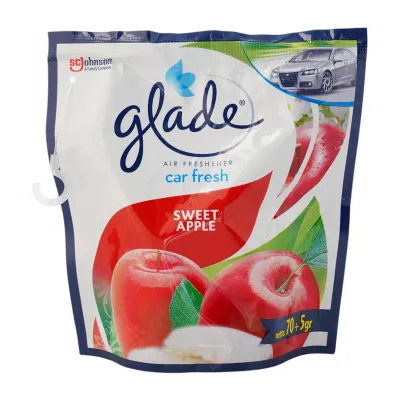
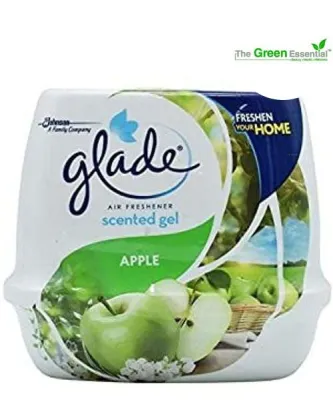
![Glade Scented Gel Air Fresheners l Fragrance Car House Toilet Room -180g [Mix & Match]](https://img.lazcdn.com/g/p/b464387afdb062ca338d1a7900ca58a3.jpg_400x400q80.jpg_.webp)
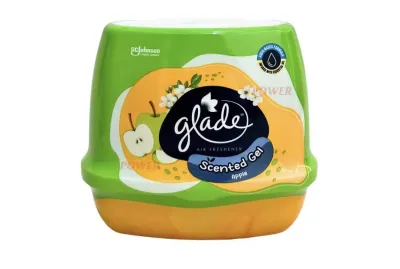
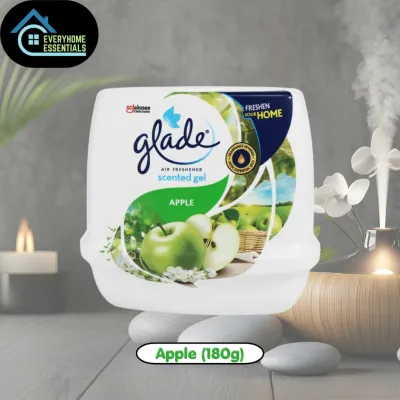
Prices are valid at publication and may change. Please refer to the product page for the latest price.
As a result, you can expect a significantly shortened product lifespan compared to the manufacturer’s standard estimates, which are usually calculated under mild, climate-controlled laboratory conditions. A product rated to last up to 30 days may only provide a strong scent profile for 10 to 14 days when subjected to daily outdoor parking in areas like open-air HDB estates or unsheltered industrial parks.
Furthermore, ‘working well’ is a subjective measure that depends on your tolerance for scent intensity. The initial evaporation spike caused by high temperatures can make the apple fragrance incredibly strong—potentially cloying or overwhelming—when you first open the car door after a long day at work. Over time, this rapid depletion leaves a much weaker, flatter residual smell that lacks the bright, fresh notes of a newly opened freshener.
How Different Glade Apple Formats Handle Extreme Heat
The physical design of your air freshener dictates how it responds to thermal stress. Glade offers several delivery systems, each with distinct vulnerabilities and performance characteristics under high temperatures.

Hanging Cards and Paper Fresheners
Paper-based air fresheners rely on porous cellulose cards infused with fragrance oils. When exposed to high heat, the kinetic energy of the liquid molecules increases, causing the oils to transition into gas at an accelerated rate.
This rapid evaporation means the hanging card will deliver an intense burst of apple fragrance during the first few days of use. However, because there is no barrier or reservoir to control the release, the oil supply depletes quickly, leaving the card dry and scentless within a fraction of its expected lifespan.
Vent Clips and Liquid Refills
Liquid-filled vent clips use a membrane or wick system to release fragrance gradually. While they offer a more consistent scent release than paper cards, they present a physical risk when subjected to extreme heat.
As temperatures inside a parked car rise, both the liquid fragrance oil and the air trapped inside the reservoir expand. This thermal expansion can build up pressure within the cartridge, potentially forcing the liquid past the membrane seals and causing it to drip onto your dashboard or center console.
Gels and Solid Formats
Solid gel air fresheners contain a mixture of water, gelling agents, and fragrance oils designed to shrink slowly as they release scent. In a hot car, the water content evaporates rapidly, which can cause the gel block to dry out unevenly, crack, or pull away from the container walls.
In extreme cases where cabin temperatures exceed the melting point of the specific gelling agents used, the solid structure can break down entirely, turning the gel back into a highly concentrated liquid. If the container is tilted or placed on an unstable surface, this liquefied gel can spill, creating a sticky, difficult-to-clean mess.
Aerosol Sprays
Aerosol cans are pressurized containers that use propellants to disperse a fine mist of apple fragrance. Storing these cans inside a vehicle exposed to Singapore’s tropical heat poses a severe safety hazard.
According to basic gas laws, as the temperature of a gas in a fixed volume increases, its pressure rises proportionally. If a pressurized can is left in a glove box or on a seat where temperatures can exceed 60°C, the internal pressure can easily surpass the structural limits of the metal canister, leading to a violent rupture or explosion.
How Parked Car Temperatures Alter Scent Performance
To understand why your glade apple freshener behaves differently in Singapore, it helps to examine the microclimate inside a parked vehicle. Sunlight passing through the glass windows is absorbed by dark interior materials, such as the dashboard and steering wheel, which then radiate this energy back into the cabin as heat. Because the windows are closed, this heat is trapped, creating a rapid greenhouse effect that can drive cabin temperatures up to 60°C or higher within an hour.
This extreme thermal environment directly affects the chemical stability of the fragrance compounds. Perfumes are formulated with a balance of top notes, middle notes, and base notes. The crisp, juicy green apple scent is primarily driven by highly volatile top notes, which are chemically lightweight and designed to evaporate quickly to give an immediate impression of freshness.
Under intense heat, these delicate top notes burn off almost instantly, leaving behind the heavier, sweeter base notes of the fragrance formulation. This chemical shift can alter the overall scent profile, transforming a fresh, clean apple aroma into a heavy, syrupy, or artificial smell that may feel less pleasant.
Additionally, Singapore’s high relative humidity plays a significant role in how we perceive scent. High humidity means the air is already saturated with water vapor, which can trap heavy fragrance molecules close to the cabin surfaces. When you open the door of a hot, humid car, this concentrated mixture can feel suffocating and overly sweet, requiring you to air out the cabin before driving.
Best Placement and Usage Tips for Tropical Climates
While you cannot change Singapore’s climate, you can adopt specific placement and usage strategies to maximize the lifespan of your glade apple air freshener and protect your vehicle.
Avoid Direct Sunlight Never hang paper cards or place gel containers in areas exposed to direct sunlight, such as the rearview mirror, the top of the dashboard, or the rear parcel shelf. UV rays and direct solar heat accelerate chemical degradation and evaporation, shortening the product’s life and increasing the risk of melting.
Vent Clip Positioning If you use a liquid vent clip, ensure it is mounted securely in an upright position on a vent that receives direct airflow when the air conditioning is running. To prolong its life, consider removing the clip and placing it in a cooler, shaded compartment like the glove box or center console when parking outdoors for extended periods.
Shaded and Lower Areas For solid gel or container-based fresheners, choose lower, shaded areas of the cabin. Placing the unit under a seat, inside a door pocket, or in a lower cup holder keeps it away from the hottest air near the roof and windshield, helping to stabilize the evaporation rate.
Rotation and Replacement Acknowledge that tropical conditions require a faster replacement cycle. Check the condition of your air freshener every week, looking for signs of excessive shrinkage, cracking, or liquid leakage, and be prepared to replace the unit every two weeks to maintain a consistent scent.
Safety and Cleanup: Handling Leaks and Interior Damage
Despite your best efforts, extreme heat can occasionally cause liquid or gel air fresheners to leak, requiring immediate action to prevent permanent damage to your vehicle’s interior.
Prevention Always check the manufacturer’s packaging for specific installation instructions and safety warnings. Ensure that liquid reservoirs are kept strictly upright and that vent clips are compatible with your vehicle’s vent blade design before mounting them.
Identifying Damage The fragrance oils and chemical carriers used in air fresheners are potent solvents. If these liquids come into direct contact with interior surfaces, they can quickly dissolve plastic polymers, strip the clear protective coat from dashboards, cause synthetic leather to bubble, or leave permanent, oily stains on fabric upholstery.
Immediate Cleanup Steps If you notice a spill, act immediately to minimize damage. First, consult your vehicle’s owner’s manual for specific instructions regarding the care and cleaning of your interior materials.
- Gently blot the spilled liquid using a clean, dry microfiber cloth; avoid rubbing, as this can spread the solvent and push it deeper into the material.
- Prepare a mild cleaning solution using warm water and a few drops of pH-neutral soap.
- Dampen a clean microfiber cloth with the solution, test it on a small, hidden area of the affected surface to ensure colorfastness, and then gently wipe the spill area.
- Immediately dry the surface with a separate, clean microfiber cloth to prevent any moisture or chemical residue from lingering.
When to Stop If the spilled liquid has seeped into sensitive areas, such as electronic console buttons, infotainment screens, or deep within porous leather seats, do not attempt to clean it yourself or dismantle any components. Stop immediately and consult a professional automotive detailer or a qualified technician to avoid voiding your vehicle’s warranty or causing further electrical damage.
Frequently Asked Questions (FAQ)
Is it safe to leave aerosol air fresheners in a hot car?
No, it is highly unsafe to leave pressurized aerosol cans in a parked car in Singapore. Extreme cabin temperatures can cause the internal pressure of the canister to rise beyond safe limits, risking a violent rupture or explosion that can damage your vehicle’s interior and cause serious injury.
Why does my car air freshener smell different after being parked in the sun?
Extreme heat causes the highly volatile top notes of the apple scent to evaporate rapidly, leaving behind only the heavier, sweeter base notes. This alters the overall chemical balance of the fragrance, making it smell more syrupy, heavy, or artificial than intended.
Can I use a home Glade plug-in in my car?
No, you should not use household plug-in air fresheners in a vehicle. These devices are designed to operate on standard household alternating current (AC) outlets and voltages. Attempting to power them using 12V direct current (DC) car adapters or inverters poses serious electrical, fire, and leakage hazards.

Community discussion
Share your experience or ask a question. Comments are reviewed before publication.