
Using a charcoal odour remover in your car is a popular, chemical-free method to keep your cabin smelling fresh and clean. However, if you drive in Singapore, the performance of these passive deodorisers is heavily tested by the region’s relentless tropical climate. While activated charcoal is highly effective at trapping volatile organic compounds, moisture, and unwanted smells under standard conditions, the combination of high humidity and extreme cabin temperatures inside a parked vehicle changes how these products behave. Understanding these environmental factors is crucial for managing your expectations and getting the most out of your purchase.
To answer the core question directly: yes, charcoal odour removers do work in Singapore’s hot and humid weather, but they function strictly as slow, passive maintenance tools rather than instant deodorisers. They cannot rapidly clear sudden, severe smells, and their absorption capacity is significantly reduced by the constant high humidity. To keep them working effectively, you must follow a strict maintenance routine to prevent them from releasing trapped odours back into your vehicle.
How Tropical Heat and Humidity Affect Charcoal Absorption
Activated charcoal operates through a physical process called adsorption, where gas and moisture molecules adhere to the vast network of microscopic pores on the charcoal’s surface. A single gram of activated charcoal can have a surface area of over 1,000 square metres, providing an incredible number of trapping sites. In a controlled, moderate environment, this porous structure easily captures and holds onto the volatile organic compounds that cause unpleasant cabin smells, such as food residues, sweat, and dampness.
Products mentioned in this guide

![[SG STOCK] Bamboo Charcoal Bag Deodorizer for Shoe Cabinet Car Absorb Moisture Air Freshener Odour Remover](https://img.lazcdn.com/g/p/8fdd36af81d002c5b31dd5b4c68d8f0a.jpg_400x400q80.jpg_.webp)
![[SG] 500g Activated Bamboo Charcoal Bag Pouch Dehumidifier Deodorizer Car Household Remove Formaldehyde Freshener Bag](https://img.lazcdn.com/g/p/dda71344eefd8735ed7f9d3e072ae3e1.jpg_400x400q80.jpg_.webp)
![Bamboo Charcoal Pouch 70g/100g [ Natural Activated Moisture Absorber Odor Eliminator Shoe Closet Car Air Purifying Bag ]](https://img.lazcdn.com/g/p/19d7f87719af101cf77d20c59b8fbdf6.jpg_400x400q80.jpg_.webp)

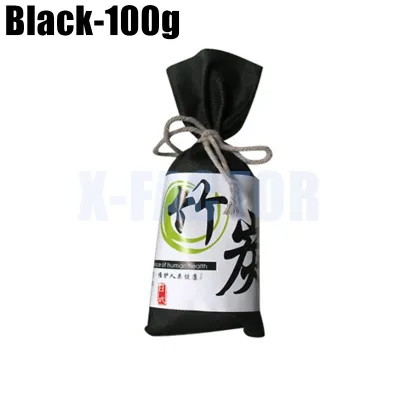
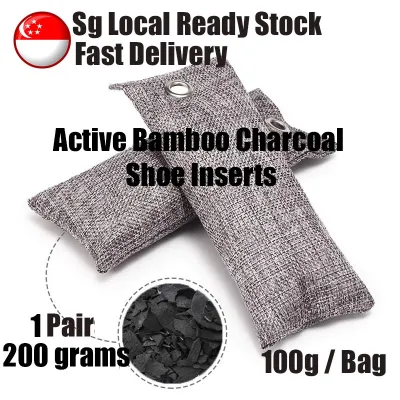
Prices are valid at publication and may change. Please refer to the product page for the latest price.
However, Singapore’s tropical climate presents two major challenges to this passive process: high relative humidity and intense solar heat. With relative humidity levels frequently exceeding 80%, the air inside your car is constantly saturated with water vapour. Because water molecules are highly polar, they are readily drawn into the microscopic pores of the charcoal. This means the water vapour quickly competes with, and often crowds out, the actual odour molecules. As the charcoal pores fill up with moisture from the humid air, the bag’s capacity to absorb new odours drops significantly.
The second challenge is the extreme heat that builds up inside a parked vehicle. When you park your car in an open-air HDB carpark or an unsheltered roadside lot under the midday sun, the greenhouse effect can cause cabin temperatures to soar past 60°C. This intense heat adds thermal energy to the system, which can trigger a phenomenon known as desorption. Under high temperatures, the weak physical bonds holding the trapped odour and moisture molecules to the charcoal surface can break. When this happens, the charcoal bag can actually release the previously trapped smells and moisture back into the cabin air, resulting in a sudden, concentrated musty odour when you first open the car door.
Because of these physical limitations, you must set realistic expectations for charcoal odour removers. They do not contain fans to actively pull air through their pores, nor do they release pleasant fragrances to mask existing bad smells. Instead, they rely entirely on natural air currents within the cabin to bring odour molecules into contact with its surface. Consequently, they work best as a continuous, long-term preventative measure to control minor, everyday odours rather than an immediate fix for a major odour crisis.
Choosing the Right Charcoal Odour Remover for Your Car
To combat the challenges of a tropical climate, you must select a charcoal odour remover with the right specifications and design. Not all charcoal bags are created equal, and choosing the wrong type can lead to poor performance or even damage to your car’s interior.

First, differentiate between standard bamboo charcoal and activated charcoal. Standard bamboo charcoal is made by heating raw bamboo at high temperatures, which creates a moderately porous material. Activated charcoal, however, undergoes an additional physical or chemical activation process—usually involving superheated steam or gases—that dramatically increases its internal pore structure and surface area. When browsing online marketplaces, always check the product labeling and packaging claims to ensure you are buying “activated” charcoal, as it offers the superior adsorption capacity needed to handle Singapore’s high humidity.
Second, pay close attention to the breathability of the outer packaging. The charcoal must be enclosed in a material that allows maximum airflow while preventing fine, black charcoal dust from escaping. Look for bags made from double-layered, high-quality linen, burlap, or specialized SMS non-woven fabrics. These materials ensure that air can circulate freely through the charcoal while keeping the messy carbon dust safely contained inside, protecting your car’s upholstery from stains.
Third, consider the size and distribution of the bags rather than relying on a single, large container. Placing one massive 500g charcoal bag in the boot of your car is highly inefficient because air circulation in the boot is minimal. Instead, opt for a set of multiple smaller bags, such as 100g or 200g sizes, and distribute them strategically throughout the cabin. Placing them under the front seats, inside door pockets, or in the centre console puts them in direct contact with active cabin airflow zones, allowing them to work much more effectively.
Finally, look for premium products that include built-in moisture indicators. Some advanced charcoal bags feature small, color-changing humidity strips or are paired with separate indicator cards. These indicators change colour when the charcoal has reached its maximum moisture capacity, providing a clear, visual signal that it is time to dry out and recharge the bag.
How to Maintain and Recharge Charcoal Bags in Humid Weather
Because Singapore’s high humidity quickly saturates charcoal bags with water vapour, regular maintenance is essential to keep them functioning. Without proper care, your charcoal bags will soon become useless, waterlogged fabric pouches that contribute to cabin dampness rather than curing it.
The primary maintenance task is “recharging” the charcoal, which is a simple process of reversing the adsorption cycle. To do this, you must place the charcoal bags in direct, hot sunlight for at least two to three hours. The solar heat and ultraviolet rays warm the charcoal, causing the trapped water molecules to evaporate and escape from the microscopic pores. This clears out the pore network, restoring the charcoal’s capacity to absorb moisture and odours once again.
In Singapore’s climate, you should establish a frequent recharging routine rather than relying on rigid manufacturer guidelines written for cooler, drier regions. During the wet monsoon seasons or periods of heavy rain, you should recharge your charcoal bags at least once every week or two. During drier, sunnier periods, a monthly recharge is usually sufficient. If you notice a musty smell returning to your cabin, or if the bags feel unusually heavy and damp, it is a clear sign that they need immediate sun exposure.
When placing charcoal bags inside your car, safety must always come first. Ensure that the bags are secured in positions where they cannot slide or roll while the vehicle is in motion. Never place a loose charcoal bag on the dashboard, as it can block your driving visibility or slide off during a sudden turn. Most importantly, do not leave loose bags on the driver’s floorboard, where they could roll under the brake or accelerator pedals and cause a dangerous mechanical obstruction. Secure them firmly under the seats, in seatback pockets, or inside door card slots.
You must also take steps to protect your car’s interior surfaces from heat and staining. Charcoal is naturally black and highly heat-absorbent. If you leave a dark charcoal bag directly on a heat-sensitive surface—such as genuine leather upholstery, delicate synthetic leather, or soft-touch plastic dashboards—under the intense tropical sun, the concentrated heat transfer can cause the material to dry out, crack, or discolour. Additionally, if the bag becomes damp with absorbed moisture, there is a risk of dye transfer or charcoal dust leaking onto light-coloured interiors. To prevent this, always place the bag on a rubber floor mat, inside a small plastic tray, or check your vehicle manufacturer’s interior care instructions for safe placement guidelines.
Finally, keep track of the overall lifespan of your charcoal bags. Although they are highly reusable, they do not last indefinitely. Over time, the microscopic pores can become permanently clogged with heavy organic compounds and microscopic dust particles that cannot be cleared by sunlight. Most manufacturers state that charcoal bags have an effective lifespan of one to two years with regular recharging. If a bag fails to reduce cabin odours or control dampness even after a thorough session in the sun, it has reached the end of its service life and must be replaced.
When to Use Alternative Car Odour Solutions
While charcoal bags are excellent for ongoing air maintenance, they are passive devices with clear limitations. If your car is suffering from a severe, deeply embedded odour, relying solely on charcoal will not solve the problem. You must understand when to transition to more active or specialized odour-elimination strategies.
The most critical step in resolving any car odour is source elimination. Charcoal cannot fix an underlying mechanical or hygiene issue. For instance, if you notice a persistent, musty smell whenever you turn on your car’s air conditioning, the culprit is likely a dirty, clogged cabin air filter or mould growing on the AC evaporator coils. In this scenario, refer to your vehicle’s owner manual to locate and replace the cabin air filter, or consult a qualified automotive professional to clean and sanitise the air conditioning system. Similarly, if food, milk, or pet waste has spilled onto the carpets, the physical residue must be thoroughly cleaned and disinfected before any deodoriser can work.
For faster air filtration and active circulation, consider installing an active car air purifier. These electronic devices plug into your vehicle’s 12V accessory outlet or a USB port. Unlike passive bags, they use an electric fan to actively draw cabin air through a multi-stage filtration system, which typically includes a HEPA filter to trap fine particulates and a dense layer of activated carbon to capture gases and odours. This active circulation is highly beneficial for drivers who spend long hours in heavy traffic or suffer from respiratory allergies, as it cleans the air much more rapidly than a passive bag. Before purchasing, verify your vehicle’s electrical specifications and mounting options to ensure the device can be installed safely without distracting the driver or overloading the electrical system.
If you are dealing with acute, highly stubborn smells—such as cigarette smoke, vomit, or strong food odours like durian—chemical odour neutralisers are often necessary. Unlike charcoal, which slowly traps molecules over time, these products use active chemical agents or enzymes to break down and neutralise odour-causing compounds on contact. When using these products, always read the manufacturer’s label carefully to ensure they are authorized for use on your vehicle’s specific interior materials, such as leather, fabric, or plastics.
When an odour has deeply penetrated the seat foam, headliner, or carpets, DIY solutions will often fall short. In these cases, it is best to seek professional interior detailing. Professional detailers have access to specialized commercial equipment, including steam extractors, deep upholstery shampooers, and ozone generators. Ozone treatment, in particular, is highly effective at sanitising the entire cabin and permanently destroying stubborn odour molecules, but it must only be performed by qualified professionals to ensure it is done safely without damaging the car’s interior plastics and electronics.
Frequently Asked Questions (FAQ)
How long does a charcoal bag last in a humid car environment?
While the physical charcoal material inside the bag can remain functional for up to one to two years, the high humidity in Singapore means the bag will saturate with water vapour much faster than it would in a drier climate. To maintain its daily effectiveness, you must recharge the bag in direct sunlight every one to two weeks to evaporate the trapped moisture. If the bag remains constantly damp, begins to emit a musty smell of its own, or fails to improve the cabin’s air quality even after being thoroughly dried in the sun, the pores have likely become permanently clogged, and the bag should be replaced.
Will a charcoal bag clear heavy cigarette smoke from my car?
No, a passive charcoal bag is not powerful enough to clear heavy cigarette smoke from a vehicle. Tobacco smoke releases a sticky residue of tar, nicotine, and thousands of chemical compounds that settle onto every surface inside the car, including the headliner, seat fabrics, and glass. Because a passive charcoal bag relies entirely on natural air currents, it cannot process these settled particulates quickly or effectively. To eliminate cigarette smoke, you must perform a thorough deep clean of the interior—including shampooing the upholstery, wiping down all hard surfaces with a suitable interior cleaner, and replacing the cabin air filter—and then use charcoal bags as a secondary maintenance tool to keep the air fresh.

Community discussion
Share your experience or ask a question. Comments are reviewed before publication.