
Using a car air freshener like Ambi Pur Aqua in Singapore requires balancing immediate scent freshness against the punishing tropical climate. While the clean, aquatic fragrance is highly effective at neutralizing musty cabin odors, Singapore’s intense heat and high humidity significantly alter how the liquid formula behaves. Drivers frequently notice that car perfumes perform differently depending on where they park, how often they drive, and how they manage their vehicle’s climate control. Understanding these environmental dynamics is key to getting the most out of your car air freshener without risking damage to your vehicle’s interior.
Evaluating the performance of Ambi Pur Aqua in a tropical setting involves examining the physical and chemical changes that occur inside a sealed cabin. High temperatures accelerate evaporation, while high humidity levels affect how scent molecules disperse through the air. By understanding these factors, you can make informed decisions about product placement, adjustment settings, and whether a liquid vent clip remains the right choice for your daily commute.
Understanding the Extreme Climate Inside Parked Cars in Singapore
Vehicles parked in Singapore are subject to intense solar radiation, creating a severe greenhouse effect within the cabin. When a car is left in an open-air HDB parking lot or an unsheltered roadside bay, sunlight passes through the glass windows and windscreens. This radiation is absorbed by dark interior surfaces, such as the dashboard, steering wheel, and seats, which then re-radiate the energy as infrared heat. Because the windows are closed, this heat becomes trapped, causing the cabin’s internal temperature to skyrocket far beyond the ambient outdoor temperature.
Products mentioned in this guide
![[Bundle of 3] Ambi pur Car Clip Car Air Freshener Citrus Twist 2.2 ml](https://img.lazcdn.com/g/p/a3144c6007bab581519175e2afc555b1.png_400x400q80.png_.webp)
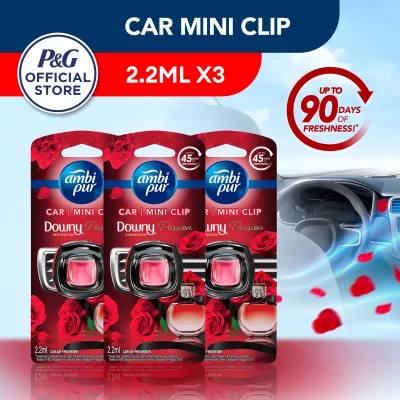
![[CARTON DEAL] Ambi Pur Mini Car Clip Air Freshener 2.2ml x 2 Twin Pack / Single Pack](https://img.lazcdn.com/g/p/66a6742330527b430a22739e1576e46a.jpg_400x400q80.jpg_.webp)

![[CARTON DEAL] Ambi Pur Mini Car Clip Air Freshener 2.2ml - Citrus / Lavender Comfort / Sky Breeze / Passion / x 6 Pcs](https://img.lazcdn.com/g/p/9cd460cfaee7a64c494b479aeba228e8.jpg_400x400q80.jpg_.webp)
Prices are valid at publication and may change. Please refer to the product page for the latest price.
On a typical Singapore afternoon with outdoor temperatures hovering around 32°C to 34°C, the temperature inside a parked car can easily climb to between 50°C and 60°C within an hour. The dashboard surface, which receives direct sunlight, can experience even higher thermal loads, sometimes reaching up to 80°C. This extreme heat creates an incredibly harsh microenvironment for any accessory or chemical compound left inside the cabin.
In addition to extreme heat, Singapore’s persistent high relative humidity—often averaging over 80%—adds another layer of complexity. When a car is locked and left in the sun, this high moisture level becomes trapped inside the cabin. The combination of intense heat and high humidity accelerates the physical degradation of plastics, adhesives, and liquid chemical formulas, forcing interior accessories to operate under conditions they were rarely designed to withstand over prolonged periods.
How Tropical Heat and Humidity Affect Air Freshener Formulas
Tropical conditions act as a powerful catalyst for the volatile organic compounds (VOCs) and essential oils that make up car fragrances. High temperatures provide thermal energy that speeds up chemical reactions and physical transitions, altering how these formulas release their scent. Instead of a slow, controlled diffusion, extreme heat can cause the ingredients to react unpredictably, changing both the longevity and the character of the fragrance.

Before installing any air freshener in your vehicle, it is highly recommended to check the manufacturer’s storage instructions, temperature limits, and physical format specifications printed on the product packaging. Different formats—whether liquid, gel, membrane, or solid—react uniquely to thermal stress. Understanding these differences helps you monitor the product’s condition and prevent premature failure.
Evaporation and Scent Longevity
The most immediate impact of elevated cabin temperatures is a drastic increase in the evaporation rate of liquid air fresheners. Ambi Pur Aqua relies on a liquid formula that is designed to evaporate gradually through a specialized wick or membrane. However, when the ambient temperature inside the car rises to 50°C or higher, the kinetic energy of the liquid molecules increases, causing them to transition into gas at a much faster rate than intended.
This accelerated evaporation means that a liquid unit rated to last up to 30 or 45 days in a temperate climate may exhaust its fluid in as little as two to three weeks when exposed to daily outdoor parking in Singapore. Furthermore, high ambient humidity can trap heavier fragrance molecules in the air, preventing them from dispersing cleanly. This often results in a heavy, cloying, or overpowering scent profile when you first open the car door, followed by a rapid drop-off in scent intensity once the air conditioning starts circulating the air.
Formula Stability and Physical Changes
Extreme heat also threatens the physical stability of the air freshener’s container and formula. Liquids expand when heated, and if a liquid vent clip is subjected to constant thermal expansion and contraction, the pressure inside the plastic reservoir increases. This pressure can stress the seals, joints, or membrane interfaces of the housing, potentially leading to slow leaks or sudden spills.
For other formats, such as gels or solids, high heat can cause physical warping, melting, or severe shrinkage, rendering them ineffective. In liquid systems like Ambi Pur Aqua, the plastic casing itself can become soft or brittle over time when exposed to UV rays and high heat. If the container’s seal is compromised, the liquid fragrance oil—which acts as an organic solvent—can leak onto your dashboard. These oils can cause severe, irreversible damage to sensitive automotive plastics, polyurethane leather, and soft-touch coatings, highlighting the importance of verifying the structural integrity of the unit regularly.
Diagnostic Signs Your Ambi Pur Aqua is Struggling in the Heat
To ensure your car air freshener is operating safely and effectively, you should perform regular visual and physical checks. Detecting the early signs of heat-induced degradation can save you from an expensive interior repair bill. Use the following checklist to evaluate the condition of your unit:
- Visual Cues: Inspect the liquid reservoir of your Ambi Pur Aqua. If you notice the clear blue liquid turning cloudy, yellowish, or separating into distinct layers, the formula is breaking down due to heat exposure. Additionally, check the outer plastic casing for any signs of warping, physical deformation, or hairline cracks, especially around the clip mechanism that attaches to the air vent.
- Olfactory Cues: Pay attention to changes in the scent profile. If the fragrance loses its crisp, clean aquatic top notes and starts to smell sour, metallic, or excessively chemical, the heat has likely altered the molecular structure of the fragrance oils. A sudden, complete loss of scent despite liquid remaining in the reservoir also indicates that the wick or membrane has become clogged or degraded.
- Physical Mess: Touch the base of the unit and the surrounding air vent blades. If you feel any sticky residues, oily films, or moisture, the unit is leaking. Thermal expansion may have forced the liquid past the membrane or seals. Any sign of liquid escaping the housing is a critical warning to remove the unit immediately before the solvent damages your dashboard.
Best Practices for Placement and Maintenance in Hot Climates
To maximize the lifespan of your Ambi Pur Aqua and protect your car’s interior, you must adapt how and where you use the product. Implementing a few simple adjustments can significantly mitigate the effects of Singapore’s extreme climate.
Strategic Placement
Avoid placing your liquid air freshener on vents that receive direct, prolonged sunlight, such as those located high on the dashboard or near the A-pillars. The magnifying effect of the windscreen concentrates heat in these areas, accelerating evaporation and plastic degradation. Instead, choose lower air vents or shaded areas of the cabin. If your vehicle has rear passenger vents that are shaded by tinted side windows, mounting the unit there can help maintain a lower, more stable temperature for the liquid reservoir.
Airflow Management
When you return to a car that has been parked in the sun, do not turn on the air conditioning with the windows fully closed. The trapped air can be incredibly hot, which forces the air freshener to release a massive burst of concentrated vapor. Instead, roll down all the windows and drive for a minute to purge the hot air from the cabin. Once the interior temperature drops closer to the ambient outdoor level, roll up the windows and turn on the air conditioning. This practice reduces thermal shock to the air freshener and prevents the fragrance from flash-evaporating. Additionally, keep the unit’s intensity adjustment dial set to the lowest effective level to conserve the liquid.
Safe Cleanup
If you discover a leak or spill from your air freshener, you must act quickly to prevent the chemical oils from bonding with or dissolving your car’s interior materials. Before cleaning, consult your vehicle’s owner manual for specific care instructions regarding dashboard plastics and upholstery.
To clean a minor spill, use a damp microfiber cloth and a mild, interior-safe automotive cleaner. Gently wipe the area without applying excessive pressure, as rubbing too hard can strip away weakened plastic coatings or paint. Avoid using harsh household detergents, alcohol-based wipes, or solvents, which can worsen the damage. If the dashboard surface already shows signs of bubbling, peeling, or discoloration, stop cleaning immediately and consult a professional automotive detailing service to assess the damage.
Evaluating Heat-Resistant Alternatives for Extreme Conditions
If you find that liquid vent clips evaporate too quickly or present too high a leakage risk for your parking situation, you may want to explore alternative air freshener formats designed with greater structural resilience.
| Air Freshener Format | Heat Stability | Leakage Risk | Scent Longevity in Heat | Mounting Security |
|---|---|---|---|---|
| Liquid Vent Clips | Low to Moderate | Moderate to High | Low (2-3 weeks) | High (Clip-on) |
| Hanging Paper Cards | Moderate | None | Very Low (1-2 weeks) | Moderate (Hanging) |
| Solid Gels / Cans | Moderate | Low | Moderate (3-4 weeks) | Low to Moderate |
| Membrane / Solid Diffusers | High | None | High (4-6 weeks) | High (Vent/Console) |
When evaluating these alternatives, prioritize formats that do not contain free-flowing liquids. Solid polymer diffusers, membrane-based cartridges, and scented organic fiber pads offer excellent heat resistance because they contain no fluids that can expand, leak, or spill. Look for products that feature robust, heat-stable housings and adjustable intensity sliders, which allow you to physically restrict airflow over the fragrance source when the car is parked.
Always verify the compatibility of any alternative product with your car’s specific interior layout. Some vent clips are designed only for horizontal blades and may slip or rattle if mounted on vertical or circular vents. Ensuring a secure, stable fit prevents the unit from falling and causing distractions while driving or physical damage to the center console.
Frequently Asked Questions (FAQ)
Is it safe to leave liquid air fresheners in a parked car under the sun?
Leaving liquid air fresheners in a car parked under direct sunlight carries inherent risks. The extreme heat causes the liquid inside the reservoir to expand, which can build up pressure and force the fluid out through the seals, wick, or membrane. This can result in chemical leaks onto your dashboard. Always check the product label for specific temperature warnings. If you must park your car in an open-air lot for an extended period, it is safest to remove the liquid air freshener from the vent and store it in a shaded area, such as the glovebox or center console, or park in a sheltered multi-storey car park whenever possible.
Does running the car air conditioner make the scent last longer?
Yes, running your car’s air conditioner regularly can help extend the lifespan of your air freshener. The air conditioning system lowers both the temperature and the humidity inside the cabin, which slows down the kinetic energy of the fragrance molecules and reduces the rate of evaporation. However, there is a trade-off: while cooler air preserves the liquid formula and makes the unit last longer, it also reduces the immediate intensity of the scent projection. You may find that the fragrance smells more subtle when the cabin is cold compared to when the air is warm and dry.

Community discussion
Share your experience or ask a question. Comments are reviewed before publication.