
Quick Answer: Is Dodo the Right Full-Surround Mat for Your Vehicle?
When looking for a premium floor liner in Singapore, the dodo car mat represents a popular choice, but the optimal decision depends on your vehicle model’s exact availability, material preferences, and budget in SGD. There is no single “best” brand for every driver. Instead, the right selection hinges on verified physical fitment, ease of maintenance in local environments, and strict safety clearance around your pedals.
Before committing to any purchase, you must evaluate how a mat handles Singapore’s humid climate, how easily you can clean it without a dedicated washing yard, and whether its dimensions match your vehicle’s cabin floor exactly. This comparison guide breaks down the essential performance, maintenance, and safety criteria to help you determine whether to choose a Dodo mat or look at alternative full-surround brands.
Core Dimensions for Comparing Full-Surround Car Mats
To evaluate any full-surround car mat, you must first understand what “full-surround” actually means for interior protection. These mats are designed to extend up the sides of the footwell, covering the carpeted walls that standard flat mats leave exposed. This design offers comprehensive coverage, but it also introduces complex fitment and maintenance variables that standard mats do not have.
Products mentioned in this guide
Prices are valid at publication and may change. Please refer to the product page for the latest price.

The primary criterion to assess is coverage and edge height. A high-sided wall prevents dirt, spilled drinks, and rainwater from seeping into the vehicle’s underlying carpet, which can cause permanent stains and unpleasant odors. You need to inspect how high these edges rise and whether they maintain their structural rigidity over time without sagging, as sagging edges can expose the carpet and look unsightly.
Another critical factor is precision fit versus universal trim. Custom-molded mats are designed using 3D digital scans of specific car models to ensure every contour is matched precisely. Universal or semi-custom mats, which often require cutting or folding, rarely provide a secure fit and can easily slip, potentially obstructing your pedals or seat tracks.
Climate suitability is a major consideration in Singapore’s hot, humid, and frequently rainy weather. Rainwater tracked into the car combined with high cabin temperatures creates a breeding ground for bacteria and mold. If a mat traps moisture underneath or absorbs water into its core layers, it can quickly develop a persistent, musty smell that is difficult to eliminate.
Rather than assuming a generic material name like “synthetic leather” or “thermoplastic” guarantees performance, you must check the manufacturer’s product labels for specific claims regarding odor resistance, UV stability, and wipe-clean properties. Look for materials that do not release volatile organic compounds (VOCs) or chemical odors when exposed to intense tropical sunlight after your car has been parked outdoors.
Dodo Car Mat vs. Competitors: Evaluating Coverage and Precision Fit
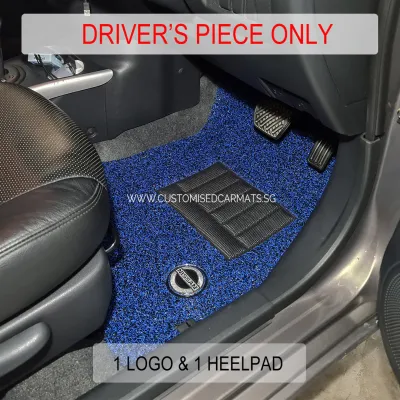
The design approach of a dodo car mat typically centers on a multi-layer or raised-edge construction. This often combines a base layer designed to hug the vehicle floor with a secondary upper layer, such as a coil mat, to trap dirt and debris. This dual-layer system is intended to keep the surface looking clean by allowing dust and sand to fall through the coils, away from your shoes.
When considering a dodo car mat, you must verify the exact specifications and layer materials of the specific model version you are viewing, as product lines can vary in thickness, weight, and attachment mechanisms. Some models use a lightweight foam backing, while others feature a heavier thermoplastic base. Understanding these layer specifications is key to predicting how the mat will perform in your vehicle.
In contrast, other market competitors take different structural approaches. Some brands offer heavy-duty rubberized tubs made of thermoplastic elastomers (TPE) or thermoplastic olefins (TPO). These utility-focused mats are highly rigid, completely waterproof, and designed to contain large volumes of liquid, making them excellent for wet weather, though they offer a more industrial aesthetic and less acoustic dampening.
Other competitors focus on luxury-style synthetic leather (PU) wraps. These mats feature decorative stitching and cover almost every inch of visible carpet, providing a plush, high-end look. However, they may require more careful handling to prevent the synthetic leather from scuffing, cracking, or peeling under heavy foot traffic or when subjected to wet umbrella drips.
To validate any “full-surround” claim, you must perform a physical or visual fitment test. Check whether the mat covers the dead pedal area on the driver’s side completely and whether it wraps securely around the center console without leaving gaps. A loose fit in these areas can allow dirt to accumulate behind the mat, defeating the purpose of a full-surround design.
Crucially, you must verify that the mat matches the exact make, model, body style, and model year of your vehicle. A mat designed for a pre-facelift model may not fit a post-facelift version due to subtle changes in floor pan design, seat rail placement, or fuel lid release levers. Never rely solely on a generic category name to assume compatibility.
Assessing Long-Term Value and Maintenance in Singapore
Evaluating the long-term value of a full-surround mat requires looking beyond the initial price tag in SGD. While basic universal mats might cost under S$50, premium custom-molded sets can range from S$150 to well over S$350. To determine if a higher price is justified, compare the expected lifespan, material thickness, and warranty terms provided by the manufacturer.
A cheaper mat that warps, cracks, or wears through within a year represents poorer value than a more expensive option that remains structurally sound for several years. Look for manufacturers that offer clear warranty coverage against manufacturing defects, warping, or premature wear, as this indicates confidence in the product’s durability.
Maintenance realities are particularly important in Singapore’s urban housing landscape. Many drivers live in HDB flats or condominiums where access to an outdoor washing bay, a garden hose, or a private drying yard is limited or unavailable. Cleaning a car mat in a multi-storey car park presents unique challenges that you must consider before buying.
Large, multi-piece full-surround mats can be heavy, awkward to remove from the cabin, and difficult to shake out or wash without a dedicated space. If a mat features deep coils or multiple layers, it may require significant time to dry completely. Putting a damp mat back into a closed, hot car will inevitably lead to musty odors and mold growth, which can ruin your cabin’s air quality.
Before purchasing, verify the manufacturer’s care instructions to ensure the maintenance routine aligns with your living situation. Some mats can be easily wiped down with a damp microfiber cloth inside the car, while others must be removed, hosed down, and left to dry in the sun for several hours to maintain their appearance and hygiene.
Always check the product labels for approved cleaning agents. Warn against using harsh household chemicals, bleach, or strong degreasers to clean your mats, as these substances can degrade the protective coatings, weaken the non-slip backing, or cause unsightly discoloration. If the care instructions are unclear, stick to mild soap and water or consult the manufacturer directly.
Decision Framework: Which Full-Surround Brand Should You Choose?
To help you navigate the selection process, use this condition-based decision framework to match a full-surround mat brand to your specific driving habits, housing situation, and vehicle setup.
Choose Dodo if:
- You prefer their specific aesthetic and multi-layer design, which allows you to trap dirt in an upper coil layer while maintaining side-wall coverage.
- You have verified that a custom-molded version exists for your exact vehicle year and model.
- Your maintenance routine allows you to periodically separate, wash, and thoroughly dry the layers.
- You want a balance of carpet protection and foot comfort under dry and moderately wet conditions.
Choose Alternative Brands if:
- You require specialized, heavy-duty rubberized tubs for frequent outdoor activities, sports, or carrying wet cargo, as these single-piece utility mats are easier to hose down and dry rapidly.
- You prefer a minimalist, single-layer look that does not trap dirt within coils.
- Dodo does not offer a precise mold for your specific vehicle model, year, or drivetrain variant (such as hybrid vs. petrol floor pan differences).
Verify First if:
- You are purchasing online or through an e-commerce platform and cannot physically inspect the mat's thickness, edge rigidity, or exact pedal clearance before installation.
- You are unsure if your car's floor anchors match the mat's built-in retention clips.
- You need to confirm whether the mat's material has been certified as low-odor or VOC-free under high-temperature testing.
Crucial Safety and Installation Checks Before You Drive
Installing any aftermarket floor mat carries inherent safety responsibilities that you must address before driving your vehicle. The most critical check is driver-side pedal clearance. This is a non-negotiable safety requirement to prevent dangerous driving situations.
You must perform a strict, physical check to ensure the driver’s side mat does not interfere with the full travel of the accelerator, brake, or clutch pedal. Press each pedal completely to the floorboards with the engine off to verify there is no catching, rubbing, or resistance caused by the mat’s edge or thickness. If a pedal catches on the mat even slightly, do not drive the vehicle.
Additionally, verify seat rail and airbag clearance. Full-surround mats extend high up the sides of the footwell and under the seats, meaning they can potentially block under-seat ventilation ducts, obstruct power seat adjustment tracks, or interfere with side-impact airbag deployment zones located near the base of the seats. Ensure the mat lies flat and does not restrict any mechanical or electrical seat movements.
Ensure the mat is securely anchored. Never overlay a new full-surround mat on top of existing carpet mats; always remove the original factory mats first. Use the vehicle’s original floor anchor points (retention clips or hooks) or the manufacturer’s provided heavy-duty fasteners to lock the mat in place. An unsecured mat can slide forward under braking and trap the pedals.
If you notice the mat shifting, sliding, or bunching up during operation, stop driving immediately. Do not attempt to drive with an unsecured mat. Consult the manufacturer or a qualified automotive professional to rectify the fitment or secure the mat properly before resuming use of the vehicle.
Community discussion
Share your experience or ask a question. Comments are reviewed before publication.