
When your car’s boot is constantly packed to the brim, every weekend outing or family road trip can turn into a stressful exercise in spatial planning. You might find yourself wondering if a car roof box is the ultimate solution to your cargo woes. A roof box is a highly visible, robust exterior accessory that can instantly expand your vehicle’s carrying capacity, but it is also a significant financial and practical commitment. In Singapore, where vehicle ownership is already highly regulated and costly, adding a roof box involves navigating unique challenges, from tight multi-storey car parks to tropical weather conditions.
To determine if you actually need a car roof box, you must weigh your regular cargo habits against the practical constraints of your vehicle and your daily driving environment. While a roof box offers unparalleled convenience for active families and outdoor enthusiasts, it is not always the most efficient or cost-effective solution for occasional hauling. Before making the investment, it is essential to diagnose your current cargo limitations, compare the roof box against alternative storage methods, and understand the physical limits of your vehicle’s roof.
5 Clear Signs You Have Outgrown Your Boot Space
If you are on the fence about purchasing a roof box, your daily driving habits and packing struggles will provide the clearest answers. Here are five unmistakable signs that your current vehicle cargo capacity is no longer meeting your household’s needs:
Products mentioned in this guide
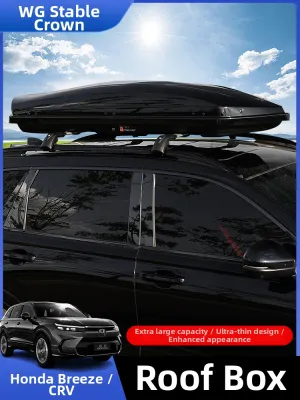
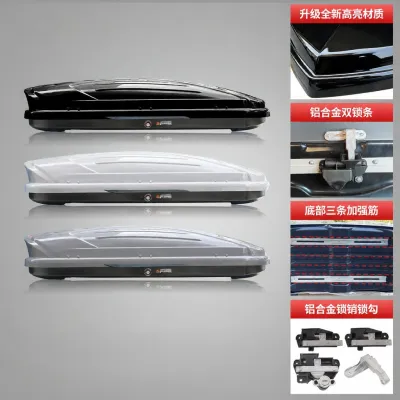
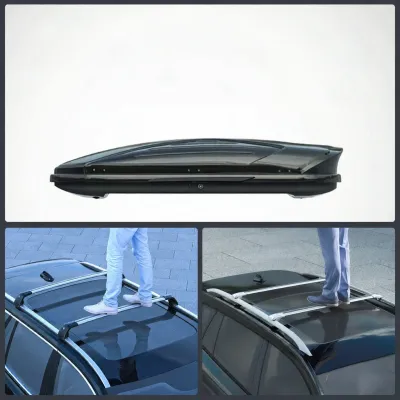
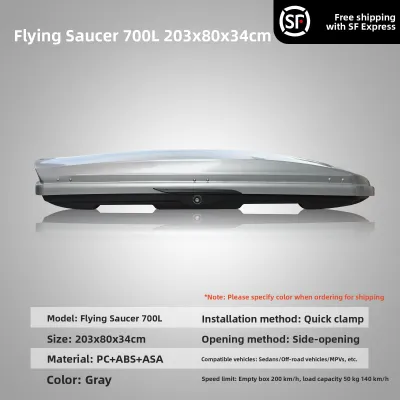
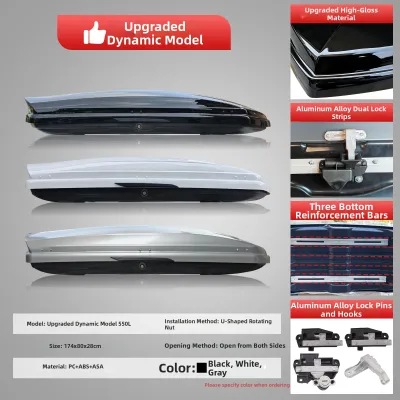
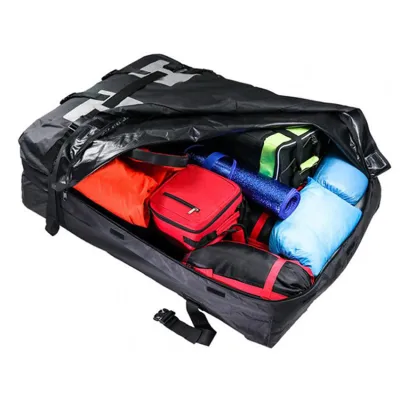
Prices are valid at publication and may change. Please refer to the product page for the latest price.
Your Rearview Mirror is Blocked by Stacked Luggage When packing for a family trip or a day out, it is tempting to stack bags and gear all the way to the roof of your boot. However, this creates a major safety hazard by completely blocking your rearview mirror. Losing this line of sight makes highway lane changes, merging, and parking significantly more dangerous. If you regularly find yourself relying solely on side mirrors because your rear window is obstructed by luggage, you have officially outgrown your boot.
Passenger Comfort is Compromised by Cabin Overflow A comfortable cabin is essential for safe and pleasant journeys. If your passengers are forced to travel with duffel bags under their feet, backpacks on their laps, or loose items stuffed into the middle seat, your vehicle’s interior is overcrowded. This lack of space is not just uncomfortable; loose objects in the passenger cabin can also become dangerous projectiles in the event of sudden braking or a collision.
You Struggle to Fit Bulky, Essential Gear Certain lifestyle items simply cannot be compressed or folded. If you are an active golfer, a parent of young children requiring a heavy-duty stroller, or an outdoor enthusiast with camping gear and folding bicycles, these bulky items can easily consume your entire boot. When a single essential item takes up the majority of your cargo space, leaving no room for groceries or personal bags, you need an external storage solution.
The Boot Lid Refuses to Close Safely Forcing your boot lid shut over a mountain of luggage is a recipe for vehicle damage. If you have to repeatedly slam the tailgate, sit on the boot lid to compress your bags, or tie the boot down with bungee cords, you are putting excessive strain on the locking latch and weather seals. Over time, this can lead to water leaks, latch failure, or even a cracked rear windscreen if a hard object is pressed too tightly against the glass.
You Make Multiple Trips or Leave Essential Items Behind A successful family outing should not require you to make difficult compromises on what to bring. If you constantly have to leave behind picnic chairs, sporting equipment, or extra clothing because there is physically no room, your vehicle is limiting your lifestyle. Similarly, if you find yourself making multiple trips back and forth to transport gear for a local event, your current storage setup is inefficient.
Car Roof Box vs. Alternatives: Which Solution Fits Your Cargo?
Before committing to a hard roof box, it is wise to evaluate other cargo-carrying methods. Each alternative has its own set of advantages, limitations, and ideal use cases.

Trunk Organisers, Cargo Nets, and Seat Folding
If your cargo issues are primarily caused by loose, disorganized items, simpler solutions may suffice. Trunk organisers, collapsible bins, and cargo nets are excellent for keeping groceries, sports gear, and emergency kits tidy, ensuring that no space is wasted in the corners of your boot. Additionally, if you rarely carry rear passengers, folding down one or more seats instantly creates a massive flat loading area. However, these internal space-saving techniques fail the moment you need to transport a full car of passengers. When every seat is occupied, you cannot trade passenger legroom for luggage space, making external storage the only viable option.
Soft Roof Cargo Bags
Soft-sided roof bags are a popular, budget-friendly alternative to rigid roof boxes. Made from heavy-duty, flexible fabrics, they are significantly cheaper, lighter, and can be easily folded and stored in a small closet when not in use. However, they come with substantial drawbacks, particularly in a tropical climate. During intense afternoon downpours, even water-resistant cargo bags can suffer from water ingress through zippers, seams, or mounting straps. Furthermore, soft bags offer very little security against theft, produce higher wind noise at highway speeds, and can scratch your car’s paintwork if they shift or vibrate during transit.
Renting a Van, Trailer, or Larger Vehicle
For occasional, heavy-duty transport needs—such as moving house, buying large furniture, or transporting heavy construction materials—a roof box is entirely unsuitable. These bulky, heavy items often exceed the weight limits of a passenger car’s roof and can easily damage a plastic cargo box. In these scenarios, renting a commercial van or hiring a professional transport service is a far safer and more practical choice. It eliminates the risk of vehicle damage, spares you the physical strain of lifting heavy items onto your roof, and ensures compliance with local transport regulations.
Practical Constraints to Check Before Buying a Roof Box
If you have decided that a roof box is the best solution for your needs, you must navigate several physical, legal, and operational constraints before making a purchase.
Vehicle Roof Load Limits Every vehicle has a maximum roof load limit specified by the manufacturer, which you must verify in your owner’s manual before installing any accessories. This limit is divided into dynamic weight (the maximum weight the roof can support while the vehicle is in motion) and static weight (the weight it can support when parked). The dynamic limit is the critical figure for driving, and it typically ranges between 50kg and 100kg for standard passenger cars and SUVs. This limit must accommodate the combined weight of your roof racks, the empty roof box itself (which often weighs between 15kg and 25kg), and the cargo you load inside. Exceeding this limit can cause structural damage to your vehicle’s pillars and severely compromise its handling.
Clearance Heights One of the most critical practical hurdles for local drivers is height clearance. In Singapore, multi-storey car parks (MSCPs), HDB parking structures, and shopping mall basements typically have height restrictions ranging from 1.8 metres to 2.1 metres. A standard SUV or MPV equipped with roof crossbars and a tall roof box can easily exceed 2.0 metres in total height. Before buying, measure your vehicle’s height with the roof racks installed, add the height of the roof box you are considering, and compare it against the clearance limits of the car parks you visit daily. Failing to do so can result in catastrophic collisions with overhead concrete beams, pipes, or sprinkler systems.
Crossbar Compatibility A roof box cannot be mounted directly to your car’s bare roof; it requires a compatible set of roof racks or crossbars. You must identify your vehicle’s specific roof configuration before purchasing. Some cars feature raised side rails (which run front-to-back with a gap underneath), flush side rails (which run front-to-back with no gap), fixed mounting points hidden under plastic covers, or bare roofs that require clamp-on racks. Always consult the product documentation for both your vehicle and the roof racks to ensure a safe, secure interface. If you are unsure, consult a qualified professional installer to avoid damage to your vehicle’s door frames or roof pillars.
Fuel Efficiency and Handling Mounting a large plastic box on your roof significantly alters your vehicle’s aerodynamics. The increased wind resistance (drag) will lead to higher fuel consumption, particularly during expressway driving. Additionally, a roof box raises your vehicle’s center of gravity, which can make the car feel less stable when cornering and more sensitive to strong crosswinds. You will need to adjust your driving habits, allowing for longer braking distances and taking corners at more conservative speeds.
When to Skip the Roof Box (and What to Do Instead)
A roof box is a major commitment, and there are several scenarios where you should actively decide to skip the purchase.
If your need for extra cargo space is strictly seasonal or occurs only once or twice a year—such as an annual family road trip across the border or a festive holiday outing—investing in a permanent roof box is rarely justified. The high upfront cost, combined with the storage space required for the box when it is off the car, makes it an impractical choice. Instead, consider renting a larger vehicle (like an MPV) for those specific trips, or utilising local delivery services to transport bulky items ahead of time.
Furthermore, if the items you need to transport are exceptionally heavy or dense, such as heavy tools, scuba tanks, or large quantities of liquid, a roof box is a safety hazard. Placing heavy objects high on the roof drastically alters the vehicle’s center of gravity, increasing the risk of body roll or tipping during emergency maneuvers. These items should always be secured low in the boot or cabin.
Finally, if your vehicle is already carrying a full load of passengers and their personal belongings, adding a heavily loaded roof box can push your car past its Gross Vehicle Weight Rating (GVWR). This puts immense strain on your suspension, brakes, and tires, leading to premature wear and compromised safety. In this scenario, reducing the amount of gear you carry is the safest path forward.
Key Features to Look for If You Decide to Buy
If you have weighed the constraints and decided that a roof box is indeed a necessary investment, focus on these key features to ensure you choose the right model.
Size and Shape Roof boxes come in various profiles, from long, aerodynamic shapes designed to minimise wind resistance to boxier, high-volume designs. If you need to transport long items like fishing rods or golf clubs, a longer, low-profile box is ideal. If you are packing bulky items like strollers or camping gear, a wider, taller box is more practical. Always ensure the length of the box does not overhang your windshield or prevent your rear boot hatch from opening fully.
Opening Mechanism Look for a roof box that features a dual-side opening mechanism. This allows you to open the box from either the driver’s or passenger’s side of the vehicle. Dual-side opening makes loading and unloading significantly easier, especially when parked in tight car parks where space on one side of the vehicle may be severely restricted.
Security and Durability A high-quality roof box should feature a robust central locking system, which typically prevents you from removing the key unless all locking points are securely engaged. This ensures you never accidentally drive off with an unlatched lid. Additionally, look for UV-resistant materials like high-grade ABS plastic to withstand constant exposure to intense tropical sunlight without warping, cracking, or fading.
Mounting System Modern roof boxes often feature tool-free, quick-release clamp systems (such as power-click or claw mounts) that allow you to install or remove the box in a matter of minutes. This is highly beneficial if you do not plan to leave the box on your roof permanently, allowing you to quickly mount it for weekend trips and store it away during the workweek.
Frequently Asked Questions (FAQ)
Can I install a roof box on a car with a panoramic sunroof?
Yes, but you must exercise extreme caution and check your vehicle manufacturer’s manual before proceeding. The weight and clamp pressure of the crossbars and roof box can put immense stress on the glass panel, potentially causing cracks or structural failure. Furthermore, some roof box mounting clamps protrude downward and can interfere with the opening mechanism of a panoramic sunroof. If your manual does not explicitly permit roof rack installation, or if you are unsure about the clearance between the crossbars and the glass, consult a qualified professional installer to verify compatibility before mounting any accessories.
Community discussion
Share your experience or ask a question. Comments are reviewed before publication.