
When you install a new set of tires, deciding whether to replace or reuse your existing TPMS car sensors is a critical choice that affects both your driving safety and your long-term maintenance costs. The Tire Pressure Monitoring System (TPMS) is a vital safety feature that alerts you to dangerous drops in tire inflation, helping to prevent blowouts and optimize fuel efficiency.
While you are not strictly required to purchase new sensors every time you change your tires, doing so is often the most practical and cost-effective decision. Because physical sensors rely on sealed internal batteries with a finite lifespan, replacing them during a tire change prevents you from having to pay duplicate labor fees later. Understanding how these systems operate and evaluating their current condition will help you make the right choice for your vehicle.
Quick Diagnostic: Should You Replace or Reuse Your TPMS Car Sensors?
To make an informed decision, you must first understand whether your vehicle utilizes a direct or indirect monitoring system. Direct TPMS uses physical, battery-powered sensors mounted inside each wheel to measure air pressure and transmit data to your car’s computer. Indirect TPMS, on the other hand, relies on the vehicle’s Anti-lock Braking System (ABS) wheel speed sensors to estimate tire pressure based on rotational speed, meaning there are no physical tire sensors inside the wheels to replace.
Products mentioned in this guide
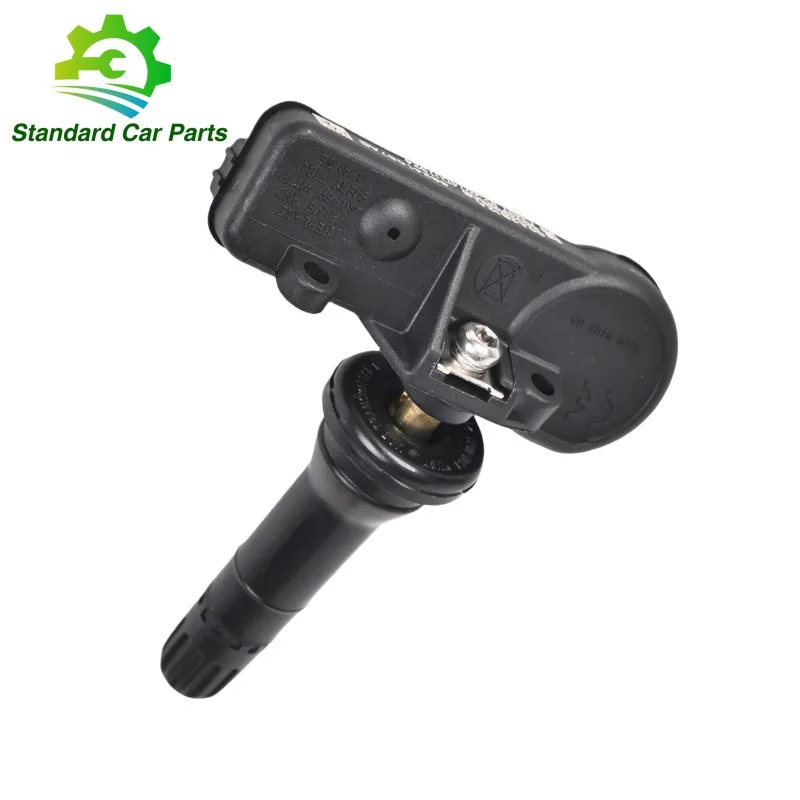
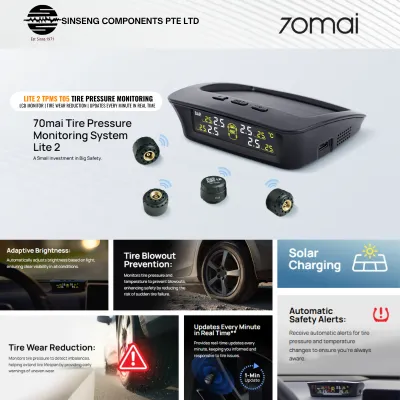
![[LEH4]USB Solar Power Tire Pressure Monitoring System Wireless Car TPMS LCD Display Pressure Alarm with Internal Sensor](https://img.lazcdn.com/g/p/2d8230eb8ed8c610f02f75696fa50d9e.jpg_400x400q80.jpg_.webp)
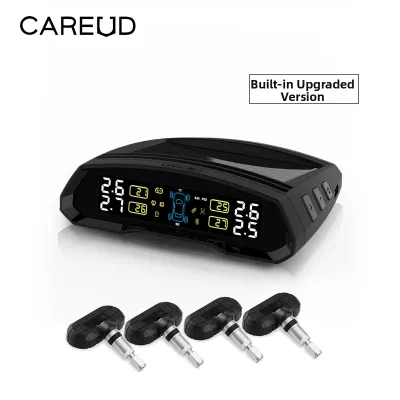
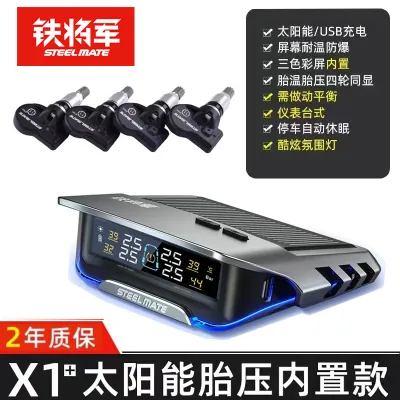
Prices are valid at publication and may change. Please refer to the product page for the latest price.
If your vehicle uses a direct system, your primary decision matrix should revolve around the age of the sensors. The internal lithium batteries inside direct sensors typically last between five and seven years. If your sensors are older than five years, or if they are approaching the end of this window, replacing them during a tire change is highly recommended to avoid premature battery failure.
Conversely, if your sensors are under five years old, are fully functional, and show no signs of physical degradation, they are excellent candidates for reuse. Reusing them allows you to maximize the remaining lifespan of the internal batteries while keeping your immediate maintenance costs lower.
However, you should always opt for immediate replacement if you observe any of the following warning signs:
- An active TPMS warning light on your dashboard that remains illuminated even after inflating the tires.
- Physical cracking, bending, or deep corrosion on the external valve stem.
- Intermittent sensor signal loss or inaccurate pressure readings on your driver information display.
- Visible damage to the sensor body discovered by a technician during tire dismounting.
If you choose to reuse your existing sensors, you must still replace the external service kit components. This kit includes the rubber grommets, seals, washers, and retaining nuts that secure the valve stem to the wheel rim. These soft components degrade over time, and skipping their replacement during a tire change is a common cause of slow, frustrating air leaks.
What Causes TPMS Sensors to Fail or Degrade?
Direct sensors operate in an incredibly harsh environment, subjected to constant rotational forces, extreme temperature fluctuations, and moisture. Understanding the primary failure points of these components helps clarify why proactive replacement is often necessary.

The most common cause of sensor failure is simple battery depletion. The internal lithium-ion batteries are sealed within the sensor housing to protect them from moisture and dirt, meaning they cannot be serviced or replaced independently. Once the battery dies, the entire sensor unit becomes non-functional and must be replaced.
Physical and impact damage also claims many sensors prematurely. Striking deep potholes, scraping against high curbs, or driving over road debris can transmit severe shocks through the wheel assembly, cracking the delicate internal electronics or snapping the rigid valve stem. Additionally, inexperienced technicians using improper tire mounting tools can easily strike and shatter the sensor body when breaking the tire bead.
Corrosion and galvanic reactions present another significant threat, particularly in coastal areas or regions where road salt is used. When an aluminum valve stem comes into contact with a steel or brass valve core, moisture can trigger galvanic corrosion. This chemical reaction can fuse the components together, causing the valve stem to seize, leak, or snap off entirely when you attempt to inflate your tires.
In tropical climates like Singapore’s, consistently hot and humid weather accelerates the degradation of rubber valve stems. High ambient temperatures and intense UV exposure cause rubber to dry rot, crack, and lose its elasticity much faster than it would in temperate climates. This environmental wear makes the rubber portion of the valve stem a critical failure point, even if the electronic sensor inside remains perfectly healthy.
Finally, the rubber O-rings and grommets that seal the sensor to the wheel rim naturally harden and shrink over time. As these seals lose their pliability, they can no longer maintain an airtight barrier against the metal rim, resulting in slow, persistent pressure loss that is difficult to diagnose without submerging the wheel in water.
Pre-Installation Checklist: Inspecting Your Current Sensors
Before your new tires are mounted, performing a thorough inspection of your monitoring system ensures you do not overlook a failing component. This checklist combines simple visual checks you can do yourself with professional diagnostics that should be performed at the tire shop.
Begin with a visual exterior inspection of each wheel’s valve stem. Check for any visible cracking in the rubber, bending of the metal stem, or heavy corrosion around the valve cap and retaining nut. Ensure the retaining nut is tight and that there are no signs of white, powdery oxidation, which indicates advanced galvanic corrosion.
Next, perform a dashboard status check by turning your vehicle’s ignition on. Look closely at the instrument cluster to see if the TPMS warning light illuminates and then turns off, or if it remains lit. If the light flashes for approximately one minute before staying solid, this typically indicates a system fault—such as a dead sensor battery or a communication error—rather than low tire pressure.
When you arrive at the tire shop, request a professional diagnostic scan before the technicians begin dismounting your old tires. A qualified technician will use a handheld wireless TPMS scan tool to read each sensor’s internal battery status, signal strength, and temperature. This non-invasive test takes only a few minutes and provides definitive proof of whether your sensors have sufficient battery life remaining to last through the lifespan of your new tires.
For your safety and to protect your vehicle’s components, you must observe strict professional boundaries. Breaking the tire bead to inspect the internal sensor body or replacing the sensor itself requires specialized tire-changing machinery and calibration tools. Never attempt to pry the tire bead open or service internal wheel components yourself, as you risk damaging the wheel rim, ruining the tire bead, or causing severe personal injury from pressurized air.
If the diagnostic scan reveals a low battery or if the visual inspection uncovers cracked rubber, use this clear action path: authorize the replacement of the affected sensors immediately. Installing them while the tire is already dismounted is far more efficient than waiting for a failure to occur weeks or months down the road.
Labor, Costs, and Programming Considerations
When deciding whether to replace your sensors, evaluating the financial and practical aspects of the installation process is essential. Balancing immediate expenses against future labor costs will help you make the most economical choice.
Replacing your sensors during a tire change offers significant labor efficiency. To replace a single failed sensor later, a technician must lift the vehicle, remove the wheel, dismount the tire, install the new sensor, remount the tire, rebalance the wheel, and reinstall it on the car. In Singapore, paying for these individual services can quickly add up, costing between S$30 and S$60 per wheel in labor alone. By replacing aging sensors while the tires are already off the rims, you eliminate these redundant labor charges entirely.
Component compatibility is another critical factor to consider. You must ensure that the replacement sensors you choose are fully compatible with your vehicle’s specific make, model, and production year. While Original Equipment Manufacturer (OEM) sensors offer guaranteed compatibility, high-quality, vehicle-specific aftermarket programmable sensors can also provide excellent performance at a lower price point. Always verify compatibility using your vehicle’s documentation before purchase.
Once new sensors are installed, they must be paired with your vehicle’s electronic control unit (ECU) through a relearn procedure. The exact process varies widely by vehicle model:
- Auto-Learn: Many modern vehicles automatically detect and register new sensor IDs after you drive at a consistent speed for 10 to 20 minutes.
- Manual Reset: Some models require you to initiate a relearn sequence through the dashboard infotainment menu or by performing a specific sequence of ignition key turns and pedal presses.
- OBD-II Programming: Certain vehicles require a professional diagnostic tool connected to the OBD-II port to manually write the new sensor identification codes into the ECU.
Finally, always verify the warranty and support terms offered by both the sensor manufacturer and the installation shop. Ensure the tire shop provides a clear guarantee on their workmanship, particularly regarding the installation of the TPMS service kit, to protect you against post-installation bead leaks or sensor communication issues.
Frequently Asked Questions (FAQ)
Can I replace just the battery inside the TPMS sensor?
No, you cannot replace just the battery inside a direct TPMS sensor. To protect the delicate electronic components from moisture, dirt, and extreme rotational forces inside the wheel, the internal lithium battery is completely potted and sealed in epoxy during manufacturing. Because the battery is permanently embedded, the entire sensor assembly must be replaced when the battery dies.
Do I need to reprogram the system after a simple tire rotation?
For most modern vehicles, a standard tire rotation does not require manual reprogramming because the system’s receiver antennas automatically detect the new physical positions of the wheels. However, some older vehicles or specific models do not have localized antennas and will continue to display the old wheel positions on your dashboard until a manual reset is performed or a professional scan tool is used to update the ECU.
Is it safe to drive with a faulty TPMS sensor?
While your car remains mechanically drivable with a faulty TPMS sensor, doing so compromises your safety and disables a critical early warning system. Without functional sensors, you will not receive alerts about slow punctures or rapid pressure loss, significantly increasing the risk of a high-speed tire blowout. Additionally, driving on underinflated tires reduces fuel efficiency, accelerates tread wear, and results in a persistent, distracting dashboard warning light that may cause your vehicle to fail periodic roadworthiness inspections.
Community discussion
Share your experience or ask a question. Comments are reviewed before publication.