
For car owners who take pride in their vehicle’s appearance, few sounds are as painful as the scraping of an alloy wheel against a concrete curb. This damage, commonly known as curb rash, can ruin the look of pristine wheels and lower your vehicle’s resale value. If you are looking for a reliable way to safeguard your wheels, installing a rim protector (metal or alloy) can act as a sacrificial barrier.
However, deciding whether you actually need a metal rim protector requires assessing your driving habits, parking environments, and wheel specifications. While these rigid accessories offer robust defense against lateral scrapes, they are not a universal solution. Understanding their benefits, compatibility requirements, and potential trade-offs will help you determine if they are the right choice for your vehicle.
What Metal Rim Protectors Do and How They Work
Metal rim protectors are specialized, low-profile rings designed to mount directly onto the outer lip of your car wheels. Typically manufactured from lightweight yet durable aluminum or steel alloys, these protectors are engineered to fit snugly along the edge where the tire meets the wheel rim. By positioning a rigid metal barrier over this vulnerable junction, they serve as the first point of contact during low-speed parking maneuvers or tight turns.
Products mentioned in this guide
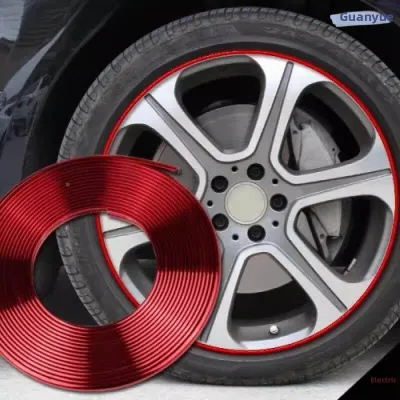
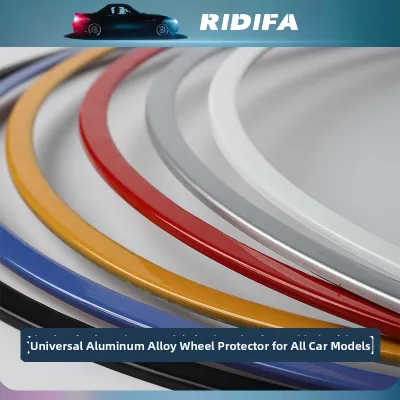
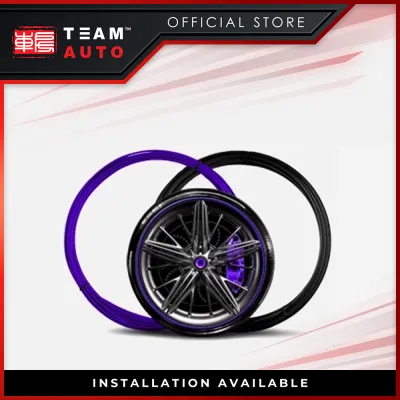
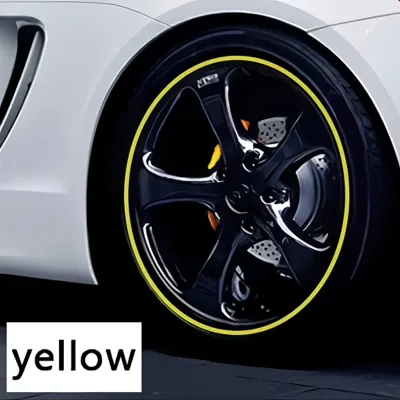
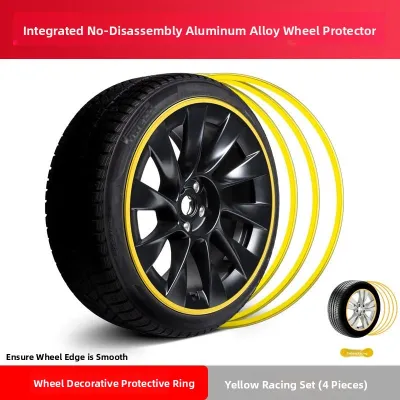
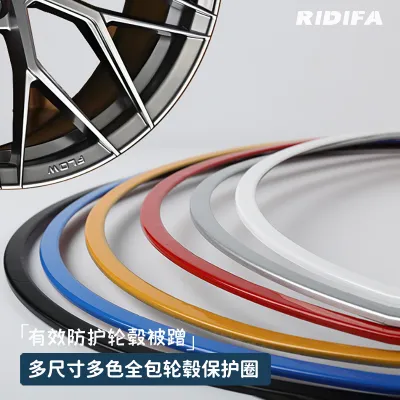
Prices are valid at publication and may change. Please refer to the product page for the latest price.
The primary mechanism of these accessories is to act as a sacrificial shield against lateral friction and minor scrapes. When your wheel comes into contact with a concrete curb, the metal protector absorbs the scraping force and sustains the cosmetic damage, keeping the underlying alloy wheel untouched.
It is important to distinguish this rigid style of protection from the impact-absorbing nature of softer materials like rubber or plastic. Metal protectors are highly effective at resisting abrasive, scraping forces that occur when parallel parking or navigating tight corners. However, they are not designed for heavy, blunt-force absorption. If you strike a deep pothole, a rigid metal ring will transfer that kinetic energy directly to the wheel structure rather than dampening it, which is a critical distinction to keep in mind.
Self-Check: Do Your Parking and Driving Habits Require Them?
Determining whether to invest in metal rim protectors depends heavily on where you drive and park every day. In highly urbanized environments like Singapore, drivers regularly face tight spaces and narrow lanes that elevate the risk of wheel damage. A structured self-assessment can help you decide if your daily routine justifies adding this extra layer of defense.

Assessing Your Parking Environment
The physical layout of your frequent parking destinations is one of the most reliable indicators of your risk level. If your daily commute involves parking in older Housing & Development Board (HDB) multi-storey car parks, you are likely familiar with the narrow, winding ramps and tight turning radiuses that characterize these structures. The concrete barriers lining these ramps are notorious for catching the outer edges of alloy wheels as drivers attempt to clear the tight corners.
Similarly, narrow basement parking structures in commercial buildings often feature structural concrete pillars and tight parking bays that leave very little margin for error. If you frequently park along roadside lots with high, vertical granite curbs—common in historic shop-house districts—the risk of lateral scraping during parallel parking is exceptionally high. If these scenarios represent your daily parking reality, your wheels are at constant risk, making a rigid metal protector a highly practical investment. Conversely, if you primarily park in spacious, modern shopping malls or private driveways with flush curbs, your risk is significantly lower.
Analyzing Your Daily Driving Routes
Beyond parking, your daily driving routes play a major role in wheel wear. Active construction zones, which are common across Singapore as infrastructure expands, often feature temporary concrete barriers, shifted lanes, and uneven road shoulders that can catch an outer wheel lip. Narrow residential lanes lined with parked cars often force drivers to steer extremely close to the curb to allow oncoming traffic to pass, increasing the chance of accidental contact.
Your driving style and local maneuvers also influence this risk. If your regular routes require executing tight U-turns in areas with high concrete medians, or navigating through narrow entry gates guarded by concrete bollards, the likelihood of lateral wheel scraping increases. Drivers who frequently navigate these demanding road conditions will find that a metal rim protector provides valuable peace of mind.
Wheel Compatibility: Will Metal Protectors Fit Safely?
Before purchasing any aftermarket wheel accessories, you must verify that they are fully compatible with your vehicle’s specific wheel and tire setup. Metal rim protectors are rigid, non-flexible components, meaning they require precise fitment and adherence to manufacturer specifications to avoid creating mechanical or safety hazards.
Checking Wheel Lip Design and Tire Profile
The physical shape of your alloy wheel’s outer lip is the first critical factor to evaluate. Alloy wheels come in various designs, including flush faces, protruding spokes, or stepped outer edges. Metal protectors typically require a distinct, accessible lip surface to clamp or adhere to securely. If your wheels feature spokes that extend past the outer rim edge, a rigid metal protector may not seat properly, leading to loose fitment or physical interference.
Your tire’s sidewall profile also dictates compatibility. Low-profile tires, which are common on large alloy wheels on performance or luxury vehicles, provide very little rubber cushioning between the road and the metal rim. For these configurations, a rigid metal protector is highly beneficial because it compensates for the lack of natural tire overhang. On the other hand, standard or high-profile tires often feature a built-in rubber rim-shield ridge on the sidewall. This rubber protrusion may already offer sufficient defense against minor curb touches, making an additional metal protector redundant.
Evaluating Impacts on Wheel Balancing and TPMS
Adding any unsprung mass to your vehicle’s wheels has direct mechanical consequences. Because metal protectors have a defined weight, installing them can alter the dynamic balance of your wheel assemblies. If the protectors are not perfectly centered or if they vary slightly in weight distribution, they can cause noticeable steering wheel vibrations, especially at highway speeds. This vibration not only degrades ride comfort but can also accelerate wear on your suspension and steering components over time.
Furthermore, you must ensure that the mounting mechanism of the metal protector does not interfere with your Tire Pressure Monitoring System (TPMS) sensors or the tire valve stems. Some metal protectors clamp tightly near the valve stem area, which could potentially damage or restrict access to these vital safety sensors.
As a strict safety boundary, always consult your vehicle’s owner manual and the wheel manufacturer’s documentation before installation. If the manufacturer advises against adding aftermarket rim rings, unsprung mass, or adhesive-backed metal accessories to the wheel lip, you must stop and follow their guidance. In such cases, consult a certified wheel specialist or tire professional to explore alternative protection methods.
Metal vs. Rubber vs. Plastic: Choosing the Right Material
If you decide that your wheels require extra protection, you must choose the material that best matches your environmental risks and performance expectations. Rim protectors are generally available in metal, heavy-duty rubber, and engineered plastics, each offering a distinct set of trade-offs.
Durability and Scraping Resistance Metal protectors, typically crafted from aluminum alloys, offer the highest level of durability against abrasive scraping. When scraped against concrete, the metal alloy resists tearing and maintains its structural integrity far better than softer materials. Plastic and rubber protectors, while cheaper, can easily tear, gouge, or shred upon contact with a rough curb, often requiring immediate replacement after a single scraping incident.
Impact Absorption and Structural Risk While metal excels at preventing cosmetic curb rash, it behaves differently under heavy, blunt-force impacts. Because metal is rigid, it transfers the kinetic energy of a sharp impact—such as hitting a deep pothole or a curb at speed—directly to the alloy wheel underneath. This can potentially lead to structural bending or cracking of the wheel rim itself. In contrast, heavy-duty rubber and flexible plastic protectors possess impact-absorbing properties. They cushion the blow, dampening the force of blunt impacts and reducing the risk of structural wheel damage, though they offer less defense against sharp, grinding scrapes.
Weight and Balance Integration Metal protectors add more unsprung weight to the outer edge of the wheel than plastic or lightweight rubber strips. This additional weight requires careful, professional wheel balancing to prevent vibrations. Plastic and rubber options are significantly lighter, making them much easier to integrate without causing major disruptions to the wheel’s dynamic balance, though they may still require minor adjustments.
Aesthetics and Long-Term Maintenance From an aesthetic standpoint, metal protectors can be finished to match your alloy wheels seamlessly, providing a clean, factory-installed look. Alternatively, they can be anodized in contrasting colors for a sportier appearance. However, metal requires careful maintenance to prevent moisture from becoming trapped between the protector and the alloy wheel, which can lead to corrosion. Rubber and plastic options do not carry a risk of galvanic corrosion, but they are prone to fading, cracking, and degrading under constant exposure to UV rays and high road temperatures.
Next Steps: When to Buy, Install, or Skip Rim Protection
Translating your self-diagnosis into action requires a clear understanding of the installation process, maintenance requirements, and overall costs.
Proceed with Purchase You should proceed with purchasing metal rim protectors if your self-check confirms a high risk of lateral scraping, your wheel lip design is fully compatible, and you have budgeted for professional installation. This option is ideal for drivers who want a durable, visually integrated solution that can withstand multiple minor curb encounters without needing frequent replacements.
Installation Safety Boundaries Do not attempt to install metal rim protectors as a DIY project. Because these accessories are rigid and add unsprung weight, they require professional fitting. A qualified technician has the specialized tools needed to ensure a secure, flush mount that will not dislodge at high speeds. Professional installation also ensures that a protective backing or isolating layer is applied to prevent galvanic corrosion between the dissimilar metals of the protector and your alloy wheel. Most importantly, the technician must perform a complete dynamic wheel balancing after installation to guarantee a smooth, safe ride.
Maintenance and Inspection Once installed, metal protectors require periodic inspection. During routine tire rotations or car washes, check for any signs of loose fittings, shifting, or physical damage. Inspect the interface between the protector and the wheel lip for trapped road grime, salt, or moisture, which can quietly promote corrosion. If you notice any play or movement in the protector, have it inspected by a professional immediately to prevent it from detaching while driving.
When to Skip If your self-assessment shows that you rarely park near high curbs, drive mostly on well-maintained roads, or have tires with thick, protective rubber sidewalls, you can safely skip rim protectors. Relying on careful driving habits, adjusting your side mirrors downward when parallel parking, or choosing a temporary, lightweight rubber protector are highly effective and cost-effective alternatives.
Frequently Asked Questions (FAQ)
Will metal rim protectors scratch or damage my alloy wheels?
Yes, there is a risk of physical scratching or chemical damage if metal rim protectors are improperly fitted or neglected. If a rigid metal protector is installed without a proper protective backing or isolating adhesive, it can rub directly against the alloy wheel, causing surface scratches and wearing away the wheel’s protective clear coat. Additionally, if moisture, road salt, or grime becomes trapped in the microscopic gap between the protector and the wheel, it can trigger galvanic corrosion. This chemical reaction between dissimilar metals can pit and degrade the alloy, leading to unsightly damage that is difficult to repair. To prevent this, ensure professional installation and perform regular cleaning.
Can I install metal rim protectors myself without professional help?
It is strongly recommended that you do not install metal rim protectors yourself. Unlike soft rubber strips that simply stick onto the wheel with adhesive tape, rigid metal protectors require precise mechanical alignment and secure mounting to remain safe at highway speeds. A poorly installed metal ring can become a dangerous projectile if it detaches while the vehicle is in motion. Furthermore, adding metal weight to the outer edge of your wheel inevitably alters its dynamic balance. Without a professional wheel balancing machine and the expertise to recalibrate the wheel assembly, DIY installation is highly likely to cause steering wheel vibrations, uneven tire wear, and potential suspension damage.
Community discussion
Share your experience or ask a question. Comments are reviewed before publication.