
Whether you need a car rim protector depends on your specific vehicle setup, daily driving routes, parking environments, and how much you value pristine alloy aesthetics. If you frequently navigate tight multi-storey car parks with high curbs or drive a vehicle equipped with low-profile tires, rim protectors offer a practical layer of cosmetic defense. However, they are not a universal necessity and come with distinct maintenance trade-offs that every driver should consider before buying.
By evaluating your daily driving routines, inspecting your wheel specifications, and understanding the physical limits of these accessories, you can determine whether rim protectors are a smart investment or an unnecessary addition to your wheels.
What Car Rim Protectors Actually Protect Against
Car rim protectors are typically made of durable rubber, flexible polymers, or tough plastic. They are designed to fit along the outer edge of your wheel rim, acting as a sacrificial barrier between the alloy wheel and hard surfaces. When your wheel accidentally brushes against a curb, the protector absorbs the abrasive force, preventing the unsightly scratches and gouges commonly known as curb rash.
Products mentioned in this guide
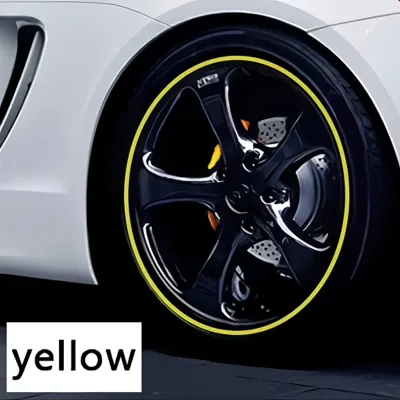
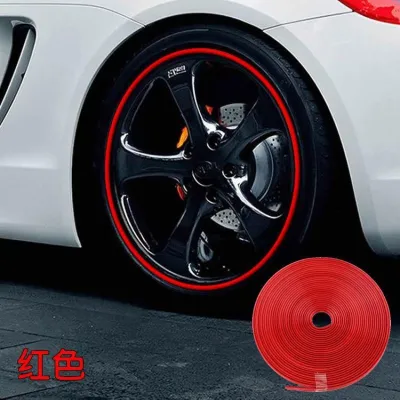
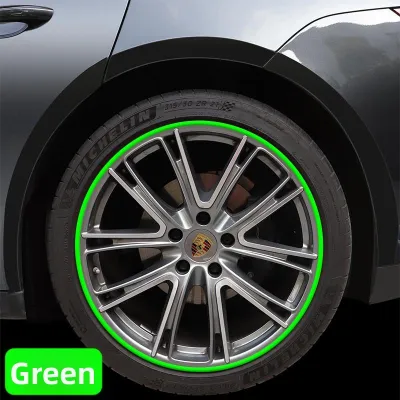
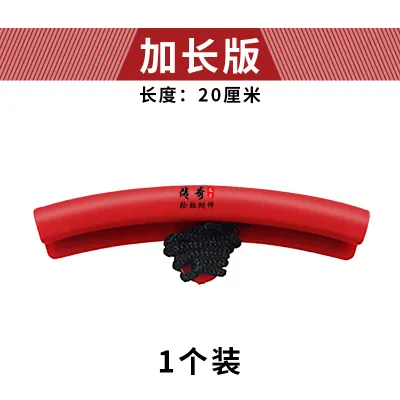
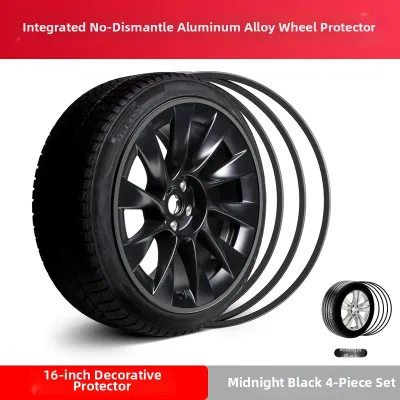
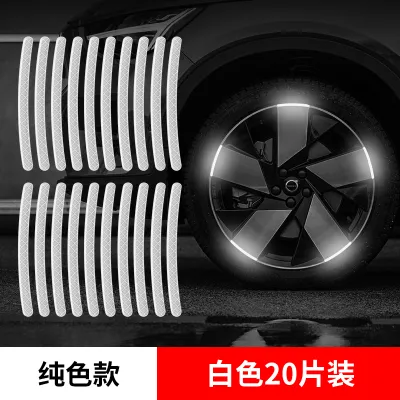
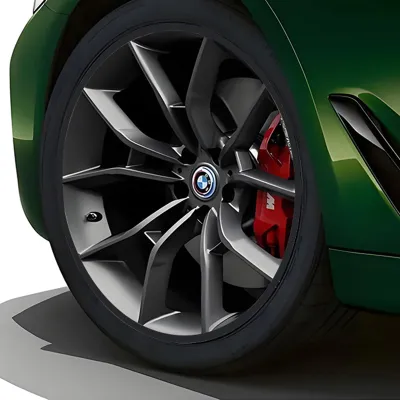
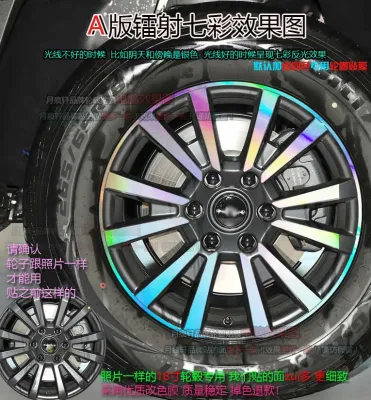
Prices are valid at publication and may change. Please refer to the product page for the latest price.
However, it is crucial to understand the safety and physical boundaries of these accessories. Rim protectors are strictly cosmetic defenses designed for low-speed, low-impact grazing. They do not prevent structural wheel bending, cracking, or tire blowouts caused by hitting deep potholes, high-speed impacts, or severe road hazards. If your vehicle strikes a curb at high speed, a plastic or rubber ring will not preserve your wheel’s structural integrity or wheel alignment.
Because these accessories attach directly to your wheel assembly, you must verify compatibility with your specific vehicle model, wheel dimensions, and tire specifications. Never assume a generic rim protector will fit your wheels safely without checking the manufacturer’s documentation.
Evaluate Your Parking Environment and Habits
Your daily parking routine is the single greatest risk factor for cosmetic wheel damage. In Singapore, urban infrastructure presents unique challenges that test even the most experienced drivers. Multi-storey car parks (MSCPs) are notorious for narrow spiral ramps, tight corners, and high concrete curbs that leave very little margin for error.

If you regularly park in older residential estates or busy commercial districts, you likely encounter narrow parallel street parking. Maneuvering into these tight spaces often requires steering extremely close to high granite curbs. If you find yourself frequently misjudging the distance to the curb or scraping your wheels during these daily routines, a physical buffer can save you from costly cosmetic repairs.
Consider your reliance on driver-assist technology versus traditional visual checks. While modern vehicles often feature reverse cameras, parking sensors, or passenger-side mirror tilt functions, these systems can have blind spots near the ground. If you find that your parking sensors fail to detect low-lying curb edges, or if you regularly park in poorly lit areas where visual checks are difficult, the physical reassurance of a rim protector becomes highly practical.
Analyze Your Daily Driving Routes and Style
Your daily commute and driving style also dictate your risk of wheel scuffing. Driving through active construction zones, where lanes shift abruptly and temporary concrete barriers are placed close to traffic, significantly increases the likelihood of accidental wheel contact. Similarly, navigating narrow city streets with heavy traffic often forces drivers to hug the curb to allow oncoming vehicles to pass safely.
Tight drive-through lanes at fast-food outlets or petrol stations are another common hazard. These lanes are often bordered by high concrete curbs designed to channel vehicles, leaving almost no clearance for wider wheels. If your daily routes involve these tight spaces, your wheels are constantly exposed to potential scuffing.
Your personal driving habits play a major role as well. Drivers who tend to take corners tightly, pull over abruptly to drop off passengers, or drift close to the inner curb on tight highway exits are at a much higher risk of scraping their wheels. Reflect honestly on your driving style; if you have a habit of clipping corners or parking by feel, a rim protector can serve as an affordable insurance policy against cosmetic damage.
Check Your Wheel Design and Tire Profile
Before purchasing any rim protection accessory, you must physically inspect your current wheels and check your vehicle’s factory specifications. The physical profile of your tires and the design of your alloy wheels dictate how vulnerable they are to curb damage.
Low-Profile Tires vs. Standard Tires Low-profile tires, which are common on sporty vehicles and larger wheel diameters, have very short, stiff sidewalls (typically with an aspect ratio of 45 or lower). These tires offer almost no outer rubber bulge, leaving the metal edge of the alloy wheel completely exposed to any passing obstacle. In contrast, standard tires with taller sidewalls naturally bulge outward past the wheel lip, providing a built-in rubber buffer that absorbs minor curb contact without touching the metal.
Wheel Lip Design and Finishes The shape and finish of your alloy wheels also determine the severity of curb damage. Wheels with protruding outer lips or flat, flush faces are highly susceptible to scraping. Furthermore, wheels with premium finishes, such as diamond-cut or polished alloys, are exceptionally difficult and expensive to repair. Restoring a damaged diamond-cut wheel typically requires specialized CNC machining at a professional workshop, which can cost upwards of S$100 to S$200 per wheel in Singapore. If your vehicle features expensive diamond-cut or custom painted wheels, protecting that original finish is highly desirable.
Safety Warning: Before installing any accessory that mounts between the tire bead and the wheel rim, consult your vehicle manufacturer’s tire specification manual. Improperly matching accessories with your tire and wheel combination can affect tire pressure retention and overall driving safety.
Potential Drawbacks and Maintenance Considerations
While rim protectors offer clear cosmetic benefits, they also introduce practical trade-offs, hidden costs, and maintenance responsibilities that you must accept before installation.
Aesthetic Changes and Fitment Adding a colored or textured ring to the outer edge of your wheel alters your vehicle’s visual profile. While some drivers appreciate the custom look, others find that plastic or rubber rings detract from the clean, original equipment manufacturer (OEM) aesthetic of premium alloy wheels.
Debris Accumulation and Corrosion Risk One of the most significant long-term drawbacks is the risk of trapping moisture, road grime, brake dust, and debris between the protector and the wheel lip. Over time, this trapped moisture and abrasive grit can act like sandpaper against the wheel’s clear coat. If the protector is not removed and cleaned regularly, this trapped moisture can lead to oxidation, pitting, and corrosion of the underlying alloy surface—ironically causing more permanent damage than a minor cosmetic scuff would have.
Installation Risks and Vibration Poorly installed or low-quality rim protectors can shift or detach at high speeds, posing a severe safety hazard to your vehicle’s bodywork and other road users. Because these accessories add weight to the outer edge of the wheel assembly, they can disrupt the balance of your wheels. This imbalance often leads to steering wheel vibration at highway speeds, requiring professional wheel rebalancing to correct. Always check with your wheel manufacturer regarding warranty implications before modifying your wheel assembly with aftermarket accessories.
Practical Alternatives to Rim Protectors
If you decide that the aesthetic or maintenance drawbacks of rim protectors are not suitable for your vehicle, several practical alternatives can help you prevent or manage curb damage.
Upgrading Driver-Assist Technology Improving your spatial awareness is a highly effective way to protect your wheels. Consider retrofitting your vehicle with a 360-degree camera system or installing curb-view blind-spot mirrors. Many modern vehicles allow you to program the passenger-side wing mirror to tilt downward automatically when you shift into reverse, giving you a clear view of the rear wheel’s proximity to the curb.
Protective Wheel Coatings Applying a high-quality ceramic coating to your alloy wheels will not prevent deep physical gouges, but it does create a slick, hydrophobic barrier. This barrier makes it much easier to clean off brake dust and minor road grime, and it can reduce the severity of very light scuffs by allowing the wheel to slide more easily against minor obstructions.
Adjusting Driving and Parking Habits The most cost-effective alternative is adjusting your driving habits. Practice taking wider angles when entering multi-storey car park ramps to ensure your rear wheels clear the inner curb. When parallel parking, opt to park slightly further from the curb and accept a slightly wider park within the designated lot lines, rather than risking your alloys to get flush with the concrete.
Final Checklist: Should You Invest in Rim Protectors?
To help you make a final decision, use this quick checklist to compare your vehicle’s setup and driving conditions against the pros and cons of installing rim protectors.
| Buy if… | Skip if… |
|---|---|
| You drive on low-profile tires with exposed alloy rims. | Your tires have tall sidewalls that naturally bulge past the rim. |
| You frequently navigate tight multi-storey car parks or narrow streets. | You primarily drive on wide highways and park in spacious lots. |
| Your wheels have expensive diamond-cut or custom polished finishes. | Your wheels have standard, easily repairable painted finishes. |
| You are willing to perform regular maintenance to clean out trapped debris. | You prefer a low-maintenance, original OEM look without added accessories. |
If you decide to proceed with a purchase, always consult a qualified tire professional for installation. A professional tire fitter can verify compatibility with your specific tire bead, ensure the protector is seated safely, and perform a complete wheel balancing check to guarantee a smooth, vibration-free ride.
Frequently Asked Questions (FAQ)
Do rim protectors affect wheel balancing or alignment?
Correctly installed, high-quality rim protectors generally do not affect your vehicle’s wheel alignment. However, because they add a small amount of weight to the outer edge of the wheel assembly, they can easily disrupt the wheel’s balance. To prevent steering wheel vibration at highway speeds, you should have your wheels professionally rebalanced immediately after installing any rim protection accessories.
Can I install rim protectors on my existing tires, or do I need new ones?
You can install rim protectors on your existing tires, provided the tires and wheels are in good structural condition. While some basic adhesive designs stick directly to the outer face of the rim, the most secure and durable rim protectors are designed to slip between the tire bead and the wheel rim. This professional installation requires deflating the tire and unseating the bead. You should always consult a qualified tire specialist to ensure the tire bead is not damaged during this process and that the protector is seated safely.
Will rim protectors void my vehicle or wheel warranty?
Adding aftermarket accessories to your wheel assembly can sometimes complicate warranty claims. If a rim protector traps moisture and causes alloy corrosion, or if improper installation damages the tire bead or wheel lip, your wheel or vehicle manufacturer may deny coverage for those specific components. Before purchasing, review your vehicle’s warranty terms and consult your dealership or wheel supplier to understand how aftermarket modifications might affect your coverage.
Community discussion
Share your experience or ask a question. Comments are reviewed before publication.