
To combat intense cabin heat and UV damage, choosing between a front windshield sun shield and side window sun shades depends on your daily parking habits and who sits in your car. If you regularly park in open-air lots, a front windshield sun shield is essential to protect your dashboard and steering wheel from direct solar radiation. If you frequently carry passengers, especially young children in the back seat, side window sun shades are crucial for glare reduction and localized comfort during daytime drives. For vehicles parked outdoors all day under the tropical sun, combining both offers the most comprehensive defense.
Quick Diagnosis: Which Sun Shade Setup Fits Your Parking and Driving Habits?
Selecting the right sun protection setup requires a quick look at where your car spends most of its day and who travels with you. If your daily routine involves parking in covered multi-storey carparks (MSCP) and driving alone, a front windshield sun shield might only be necessary for occasional outdoor parking. However, if your vehicle is routinely left in unsheltered surface lots, a front shield becomes your primary line of defense against interior degradation.
Passenger comfort introduces another layer to your decision. Rear-seat passengers, including children in car seats, pets, and sun-sensitive individuals, are highly exposed to side-window glare. While a front shield does nothing for passengers while the car is moving, side window sun shades remain active during transit to block direct sunlight and keep rear occupants comfortable.
Products mentioned in this guide
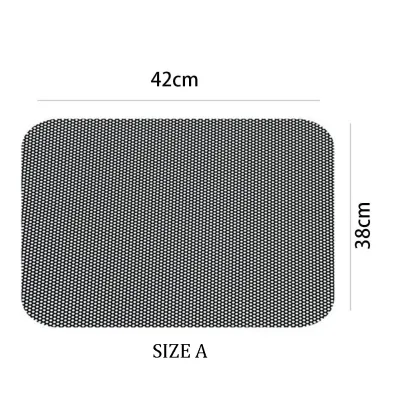
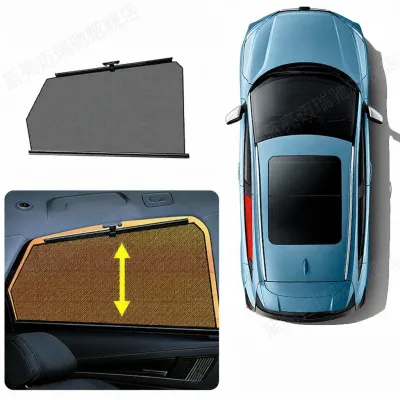

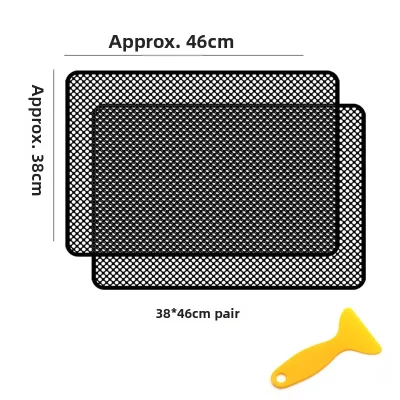
Prices are valid at publication and may change. Please refer to the product page for the latest price.
Many modern vehicles come equipped with factory privacy glass or aftermarket window tints. While these treatments reduce some visible light, they often fall short of blocking radiant heat and harsh glare completely. Auxiliary side shades work alongside your existing window tints to provide an extra physical barrier, making them a valuable addition for maximum passenger comfort.
Evaluate Your Parking Environment and Daily Sun Exposure
Understanding your vehicle’s daily exposure to the elements is the first step in managing cabin heat. Vehicles parked in open outdoor lots or along unsheltered streets face continuous, direct solar radiation. In contrast, cars parked in shaded structures or basement carparks experience significantly less thermal stress, requiring less intensive physical shading solutions.

Duration of exposure also dictates the severity of heat buildup. A vehicle parked outdoors for a quick fifteen-minute errand will experience a rapid rise in surface temperatures, but a car left unsheltered for an entire workday undergoes prolonged thermal soaking. Under these conditions, heat penetrates deep into the cabin materials, making the air conditioning work much harder to cool the space down once you start driving.
Singapore’s consistent tropical climate and high UV index present a year-round challenge for car owners. The intense equatorial sun accelerates the aging of interior components, making passive protection highly practical. Without a barrier, the radiant energy passing through your car’s glass surfaces is absorbed by dark interior materials, creating a greenhouse effect inside the cabin.
This continuous exposure takes a heavy toll on interior material sensitivity. Dashboards, leather seats, steering wheels, and digital electronic displays are highly prone to fading, cracking, and overheating. Protecting these high-value components not only preserves the aesthetic appeal of your vehicle but also prevents costly electronic malfunctions and maintains the resale value of your car.
When a Front Windshield Sun Shield Is the Right Choice
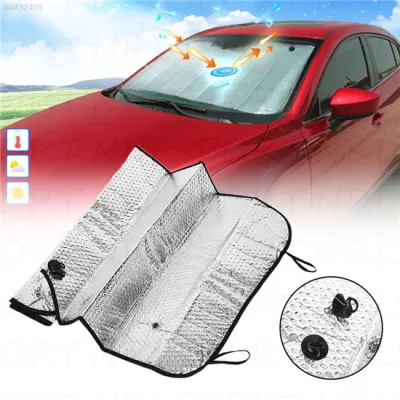
The front windshield is the largest single piece of glass on your vehicle, and its steep angle invites a massive amount of direct sunlight into the cabin. A front windshield sun shield is specifically designed to block this primary entry point. By reflecting solar radiation back through the glass, it prevents the dashboard from acting as a giant radiator that continuously warms the rest of the car.
The primary benefit of a front shield is the targeted protection of your car’s most vulnerable area. It keeps the steering wheel, gear shifter, and front seats cool enough to touch comfortably upon entry. Additionally, it shields sensitive dashboard electronics, instrument clusters, and forward-facing dashcams from direct thermal damage.
However, a front windshield sun shield has clear limitations. It offers no protection for rear passengers and cannot prevent heat from entering through the side or rear windows. Furthermore, because it completely blocks forward vision, it can only be deployed when the vehicle is parked, leaving you without protection from front-angle glare while driving.
This makes the front windshield sun shield the ideal choice for solo commuters who primarily park in unsheltered office or residential lots. If your main goal is to protect your dashboard materials and ensure the driver’s touchpoints are comfortable when you first get in, a high-quality front shield is your most effective single investment.
When Side Window Sun Shades Make Sense
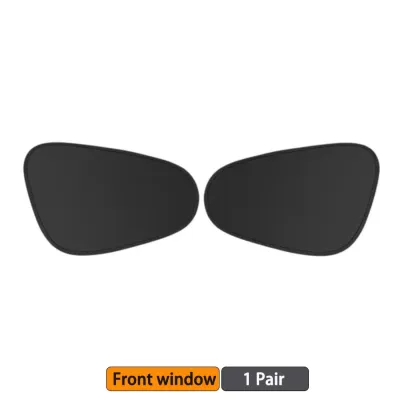
Side window sun shades serve a very different primary purpose, focusing heavily on passenger comfort and localized heat reduction while the vehicle is in motion. Unlike front shields, side shades are designed to remain installed during transit, providing continuous relief from direct sunlight without obstructing the driver’s essential fields of view.
Passenger protection is the strongest argument for installing side shades. Infants and young children in rear-facing car seats are particularly vulnerable to direct UV rays and blinding glare, which can make car rides highly uncomfortable. Side shades diffuse this harsh light, creating a cooler, dimmer, and more relaxing environment in the back seat.
Even if your vehicle has aftermarket window tinting, side shades offer a complementary benefit. Tints absorb heat and can still allow a significant amount of visible light to pass through. Adding a physical mesh or fabric shade creates an additional air gap and diffusion layer, significantly reducing the perceived heat radiating from the side glass.
When choosing side shades, you will encounter several common types:
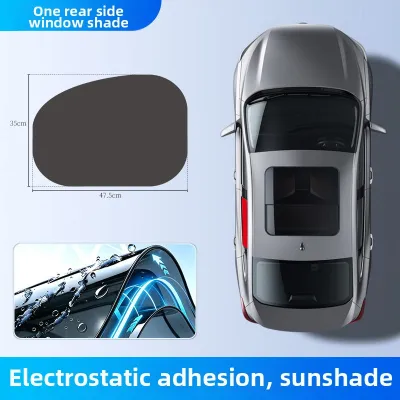
- Static-cling films: These apply directly to the glass using static electricity, offering a clean look without suction cups, though they can sometimes bubble or peel at the edges over time.
- Mesh slip-ons: Often called window socks, these stretch over the entire door frame, allowing you to roll the window down for ventilation while keeping insects out and shade intact.
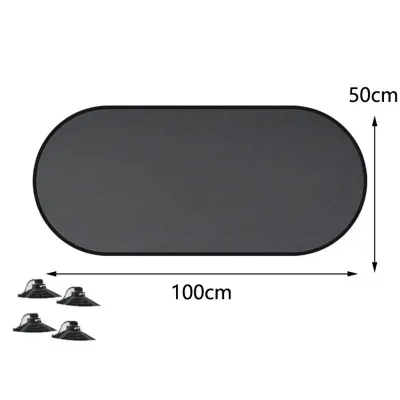
- Retractable roller shades: These attach via suction cups or clips and can be pulled down or rolled up as needed, offering excellent convenience but sometimes leaving small gaps around the edges.
Do You Need Both Front and Side Sun Shades?
For car owners seeking maximum heat rejection, combining a front windshield sun shield with side window sun shades offers the ultimate defense. This dual-shade setup addresses all major glass entry points, minimizing the greenhouse effect and keeping the entire cabin significantly more comfortable during long hours under the sun.
When deciding whether to purchase both, a cost-versus-benefit analysis is helpful. A basic front shield and a set of side shades are relatively inexpensive, typically ranging from S$15 to S$50 depending on the design and materials. However, managing multiple shades requires daily effort to install and remove, and storing them in a compact cabin can add minor clutter.
If the daily hassle of deploying multiple physical shades seems impractical, upgrading to premium ceramic window tint films is a highly effective alternative. While a professional tint installation requires a higher upfront cost, it provides continuous, passive heat and UV rejection across all windows without requiring any daily setup or storage space.
What to Check Before Buying a Car Window Sun Shield
Before purchasing any sun protection accessory, verifying fitment is crucial. Avoid relying on generic “universal fit” labels, as windshield sizes and shapes vary dramatically between compact hatchbacks, sedans, and large SUVs. Measure your windshield’s height and width, and pay close attention to the area around the rearview mirror, dashcams, and ERP In-vehicle Units (IU) to ensure the shade can be secured tightly.
Material and structure play a major role in how well a shade performs and lasts. Look for multi-layered construction featuring a highly reflective outer layer, such as aluminum foil or reflective silver fabric, paired with a thick insulating core. Sturdy border wire frames or rigid folding panels are essential to prevent the shade from sagging or falling down after a few hours in a hot cabin.
Consider your storage and deployment preferences before buying. Accordion-style folding shades are highly durable and quick to deploy, but they take up notable space along the passenger footwell or in the boot. Umbrella-style shades fold down into a compact sleeve that fits easily into door pockets, but they require careful opening to avoid hitting dashboard screens or passengers.
Finally, prioritize safety and visibility when selecting side window shades. Any shade installed in the front row must never obstruct the driver’s view of the side mirrors or blind spots. Ensure that rear side shades are securely fastened so they do not fly off if a window is rolled down, and verify that they comply with local transport visibility regulations.
Frequently Asked Questions (FAQ)
Can I leave a sun shade on the windshield while driving?
No, you must completely remove the front windshield sun shield before driving. Operating a vehicle with any physical obstruction on the front windshield is extremely dangerous, severely limits your field of vision, and violates traffic safety laws.
Do sun shades actually lower the interior air temperature?
Sun shades primarily block radiant heat and UV rays, keeping physical surfaces like your dashboard, steering wheel, and seats cooler to the touch. However, because a parked car is an enclosed metal box, the ambient air temperature inside will still rise over time; the shades simply slow this process and make the cabin much faster to cool down once the air conditioning is turned on.
Will suction cup side shades damage my window tint?
They can potentially cause damage. Applying suction cups or strong adhesives directly to aftermarket window tint films can lead to bubbling, peeling, or scratching, especially if the tint is relatively new or of lower quality. If you have aftermarket tints, consider using magnetic shades that attach to the metal door frame or mesh slip-ons that fit over the entire door.
Community discussion
Share your experience or ask a question. Comments are reviewed before publication.