
Determining whether you need an add-on car blind spot mirror comes down to evaluating your vehicle’s design, your mirror adjustment habits, and your daily driving environments. While factory-installed mirrors are engineered to provide a broad view of the road behind you, physical design constraints like thick pillars, high window lines, or a sloping rear windshield often leave dangerous blind zones. Adding a small convex mirror can be a highly cost-effective way to regain visibility, but it is not a universal necessity if your mirrors are properly adjusted and your vehicle has excellent natural sightlines.
To make an informed decision, you must first assess your current setup under real-world conditions. By understanding where your visibility gaps lie, you can determine whether a simple adjustment will solve the problem or if investing in an aftermarket accessory is the safest path forward.
How to Identify Dangerous Blind Spots in Your Current Setup
Before purchasing any accessories, ensure your factory mirrors are adjusted correctly. Sit in your normal driving position and adjust your central rearview mirror to frame your rear window. Next, lean your head to the right until it almost touches the driver’s side window, then adjust your right side mirror outward until you can just barely see your car’s rear fender. Repeat this process for the left side mirror by leaning your head toward the center console and adjusting the mirror until the left rear fender is just visible.
Products mentioned in this guide
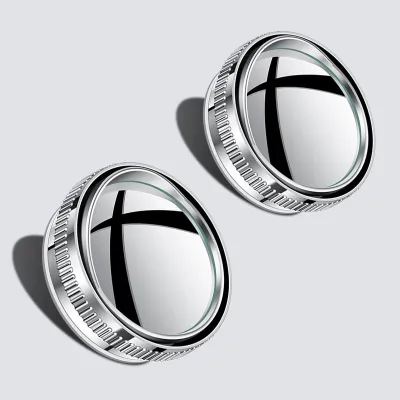
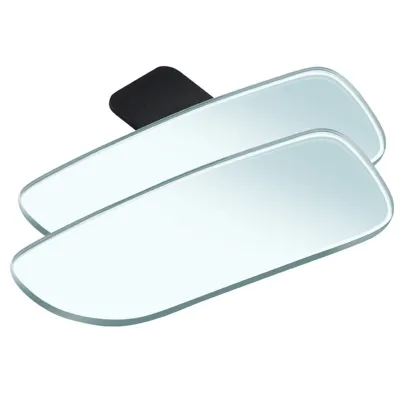
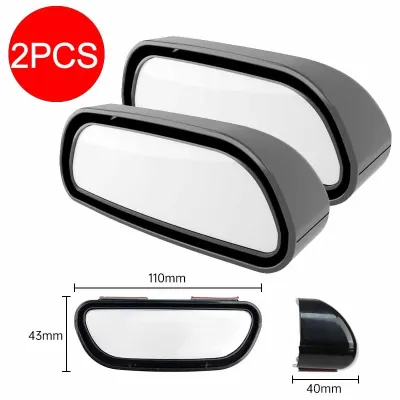
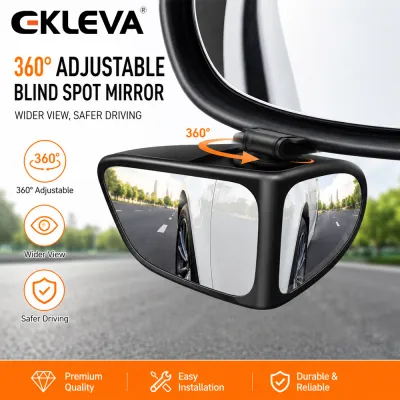
Prices are valid at publication and may change. Please refer to the product page for the latest price.
Once adjusted, perform the “disappearing car” test. While driving on a multi-lane road, observe vehicles as they pass you from behind. A passing vehicle should transition smoothly from your central rearview mirror to your side mirror, and then into your peripheral vision. If there is a moment where the passing vehicle completely disappears from all mirrors and is not yet visible in your side vision, you have a dangerous blind spot.
Physical vehicle design is often the primary culprit behind these blind zones. Modern safety standards require reinforced roof pillars, making A-pillars, B-pillars, and C-pillars thicker than they used to be. Additionally, many modern cars feature high beltlines and small rear windows that restrict natural sightlines, making it difficult to rely solely on a quick shoulder check.
Common Driving Scenarios That Expose Mirror Limitations
Certain driving environments quickly expose the limitations of standard factory mirrors, especially on fast-moving, multi-lane expressways. When merging or changing lanes on busy expressways like the PIE or AYE, vehicles traveling at high speeds can enter your blind spot in a matter of seconds. Without a wide-angle view, a quick glance at your side mirror might suggest the lane is empty when a vehicle is actually cruising right alongside your rear quarter panel.

Navigating tight urban environments also highlights the need for better side-bottom visibility. In multi-storey carparks with narrow, winding ramps and tight concrete curbs, standard side mirrors often fail to show the lower sections of your vehicle. Drivers frequently struggle to see low-lying obstacles, concrete pillars, or high curbs, which can lead to scraped rims or body damage during tight maneuvers.
Furthermore, tracking smaller, highly mobile road users requires exceptional lateral visibility. In heavy traffic, motorcycles, bicycles, and personal mobility devices frequently filter between lanes or ride close to the sides of your vehicle. Because of their small profiles, these road users can easily linger undetected in the blind zones of standard flat or slightly curved factory mirrors, increasing the risk of a collision during sudden lane changes.
When a Car Blind Spot Mirror Is the Right Solution
An add-on blind spot mirror is the right solution when standard mirror adjustments fail to eliminate persistent blind zones. If you have tried angling your side mirrors outward but still find that medium-sized vehicles or motorcycles disappear completely during the transition to your peripheral vision, a small convex mirror can bridge that visual gap.
This accessory is particularly beneficial for specific vehicle types that suffer from inherently poor rearward visibility. Large SUVs, commercial vans, pickup trucks, and cars with heavily tinted rear glass or sloping fastback rooflines often have massive blind spots that standard mirrors cannot cover. For these vehicles, the wide-angle perspective of a convex mirror provides a crucial safety buffer.
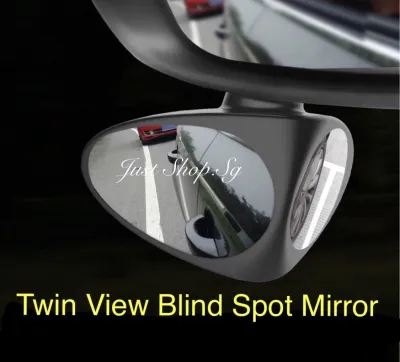
Additionally, if you frequently find yourself struggling with low-speed maneuvers, a blind spot mirror offers valuable downward visibility. By angling the add-on mirror slightly downward, you can monitor curbs, parking lines, and low-lying obstacles without having to manually adjust your primary side mirrors every time you park.
Alternatives to Stick-On Blind Spot Mirrors
If you prefer not to attach stick-on mirrors to your vehicle, there are several alternative methods to improve your field of view. One option is upgrading to replacement side mirror glass that features built-in wide-angle or aspherical sections. These replacement glasses are designed to fit your specific vehicle model, offering a seamless, factory-like appearance while expanding your field of view, though they typically require checking compatibility and professional installation to ensure proper fitment.
Another alternative is relying on or retrofitting electronic Blind Spot Monitoring (BSM) systems. These systems use radar sensors mounted in the rear bumper to detect vehicles in your blind spots and provide visual alerts on your side mirrors or an audible warning if you signal to change lanes. If your vehicle did not come with this technology, aftermarket kits are available, but they require professional electrical installation to avoid damaging your vehicle’s wiring harness or interfering with other safety systems.
Regardless of the equipment you choose, no mirror or electronic system should completely replace the physical “shoulder check” habit. Turning your head to glance through your side windows remains your primary defense against blind spots. Mirrors and sensors are designed to assist your situational awareness, not to replace the active visual verification required before making any lateral movement on the road.
How to Choose and Position an Add-On Blind Spot Mirror
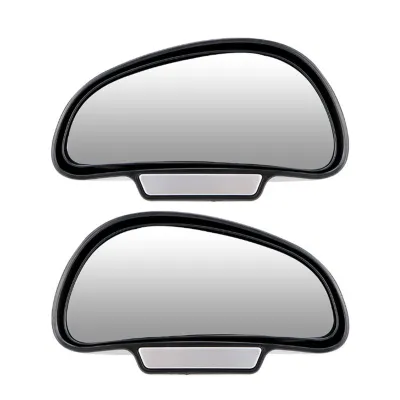
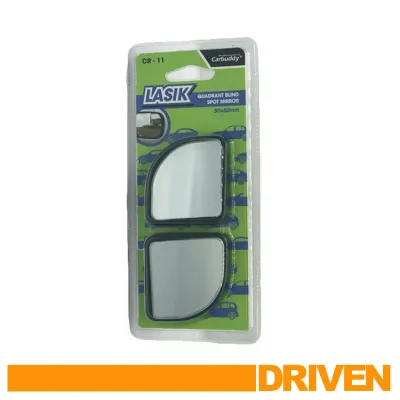
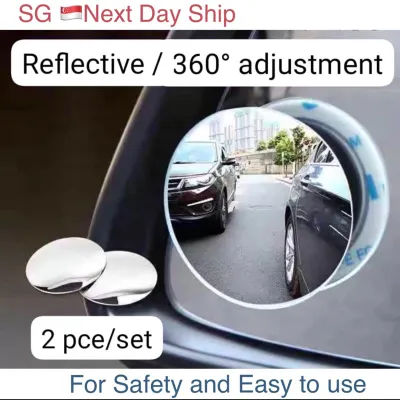
When choosing an add-on blind spot mirror, you will encounter several shapes, including round, fan-shaped, and rectangular designs. Round mirrors are the most common and offer a balanced, symmetrical wide-angle view, making them suitable for almost any vehicle. Fan-shaped mirrors are designed to fit snugly into the outer corners of your existing side mirrors, maximizing the remaining surface area of your primary glass, while rectangular mirrors offer a wider horizontal field of view that is highly beneficial for longer vehicles like vans or SUVs.
Proper placement of the add-on mirror is critical to avoid creating new visual clutter or blocking your primary view. The most common placement strategy is attaching the add-on mirror to the outermost top or bottom corner of your factory side mirror. Placing it on the outer edge maximizes the wide-angle coverage of the adjacent lanes, while placing it on the inner bottom corner can help you monitor your rear tires and curbs during parking maneuvers.
Before installing the mirror, you must ensure it does not block the core viewing area of your primary side mirror. The add-on mirror should only occupy a small fraction of the glass surface. Always clean the factory mirror glass thoroughly with an appropriate glass cleaner to remove dirt and grease before applying the adhesive backing, ensuring a secure bond that will withstand weather and car washes.
Frequently Asked Questions (FAQ)
Are add-on blind spot mirrors legal for use on public roads in Singapore?
Yes, small add-on blind spot mirrors are generally permitted for use on public roads in Singapore. However, they must be installed in a way that does not obstruct your forward view through the windshield, does not extend beyond the vehicle’s legal width limits, and is securely attached to prevent them from detaching while the vehicle is in motion.
Can I just adjust my side mirrors wider to eliminate blind spots?
Adjusting your side mirrors further outward—often referred to as the SAE method—can significantly reduce or even eliminate blind spots by minimizing the overlap with your central rearview mirror. However, this method removes your own vehicle’s side panels from the frame, which many drivers rely on as a spatial reference point for parking and lane positioning. If you find this adjustment disorienting, an add-on blind spot mirror allows you to keep your primary mirrors adjusted to your preferred reference point while still gaining wide-angle coverage.
Do blind spot mirrors work well during night driving or heavy rain?
Small convex mirrors have limitations in adverse weather and low-light conditions. At night, the curved surface can distort the headlights of trailing vehicles, making it more difficult to judge their exact distance and speed. In heavy rain, water droplets can easily accumulate on the small surface of the add-on mirror, obscuring the view. Applying a hydrophobic coating to the mirror glass can help shed water, but drivers should exercise extra caution and rely on careful shoulder checks during poor driving conditions.
Community discussion
Share your experience or ask a question. Comments are reviewed before publication.