
Using a Yankee Candle car vent clip is a popular way to maintain a welcoming, pleasant aroma inside your vehicle, but Singapore’s unique tropical climate introduces several environmental challenges. With year-round high temperatures and relative humidity levels that frequently exceed 80 percent, the interior of a vehicle parked in Singapore becomes a demanding environment for any air freshener. While these liquid-based clips are highly effective at dispersing premium fragrances, their performance, physical durability, and overall lifespan are directly influenced by intense heat and moisture. Understanding how these factors interact with the product’s design will help you set realistic expectations and avoid potential damage to your car’s interior.
How Singapore's Tropical Climate Affects Yankee Candle Car Vent Performance
The primary factor governing the performance of any liquid-based air freshener is ambient temperature. When you park your vehicle outdoors under the direct Singapore sun—such as in an unsheltered HDB surface carpark—the vehicle acts as a greenhouse. Solar radiation penetrates the glass windows, heating the dashboard, steering wheel, and cabin air. Within an hour, interior temperatures can easily climb past 60 degrees Celsius. This extreme heat drastically accelerates the kinetic energy of the liquid fragrance molecules inside the vent clip, leading to a much faster rate of evaporation than the product would experience in a temperate climate.
In addition to heat, Singapore’s high relative humidity plays a significant role in how you perceive the fragrance. When the air inside the cabin is saturated with moisture, it affects the volatility and dispersion of the scent compounds. High humidity can prevent the fragrance from circulating cleanly, often binding with water vapor to create a heavier, more concentrated, and sometimes cloying olfactory experience. This explains why a scent that seemed subtle and refreshing in a cool, air-conditioned showroom can suddenly feel overwhelming when you first open your car door on a humid afternoon.
Products mentioned in this guide
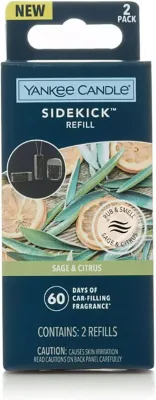
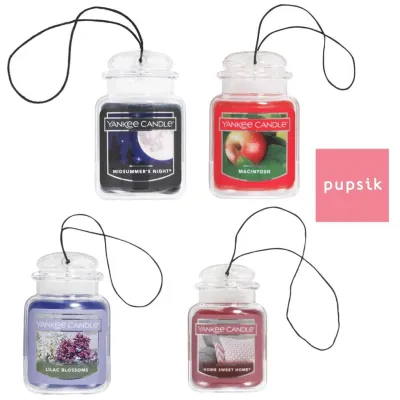
Prices are valid at publication and may change. Please refer to the product page for the latest price.
It is also important to differentiate how tropical weather impacts different types of air fresheners. Liquid-based vent clips rely on a membrane or a porous wick to release fragrance oils gradually. Under high temperatures, the viscosity of these oils decreases, making them flow and evaporate more rapidly. In contrast, solid-state or gel-based air fresheners do not rely on liquid mobility; while they still dry out faster in hot weather, they do not suffer from the same risk of rapid pressure expansion or liquid leakage that liquid-based clips do when exposed to extreme thermal shifts.
Expected Scent Longevity and Physical Performance
Yankee Candle car vent clips are engineered with a clear plastic reservoir that allows you to monitor the oil level, alongside an adjustable dial mechanism on the housing. This dial is designed to let you control how much air from your vehicle’s ventilation system passes over the fragrance membrane, thereby regulating the scent intensity. In ideal, temperate climates, manufacturers typically estimate that these clips can last up to 30 days. However, in Singapore’s continuous tropical heat, this baseline is rarely achieved because the high ambient temperature forces a rapid, continuous release of fragrance even when the climate control system is turned off.

When you set the adjustable dial to the minimum setting, the physical opening is restricted, but the elevated cabin temperature still maintains a high vapor pressure within the cartridge. This means the fragrance oil continues to permeate the membrane at an accelerated rate. Consequently, local drivers should expect a realistic scent lifespan of approximately two to three weeks per clip, depending heavily on how often the vehicle is parked in direct sunlight versus shaded or basement parking spaces.
Beyond fragrance depletion, prolonged exposure to intense UV radiation and high temperatures can affect the physical integrity of the vent clip itself. The outer housing is made of molded plastic, which can become brittle over time when subjected to constant thermal cycling—shifting rapidly from the cold air of your air conditioning system (often around 16 to 18 degrees Celsius) to the extreme heat of a parked car. This structural degradation can cause the mounting clip on the back to lose its tension, warp, or crack, potentially preventing it from gripping your air vent slats securely. Before purchasing, it is also wise to verify your vehicle’s specific vent design, mounting position, and dimensions, as some modern vehicles feature unique circular or deeply recessed slats that may not accommodate standard clip interfaces.
Protecting Your Car Interior from Heat and Leaks
One of the most critical considerations when using liquid-based air fresheners in hot climates is the risk of leakage caused by thermal expansion. When a sealed or semi-sealed cartridge containing liquid and a small pocket of air is subjected to extreme heat, both the fluid and the air expand. This expansion increases the internal pressure of the cartridge. If the pressure exceeds the sealing capacity of the membrane or the plastic joints, the concentrated fragrance oil can seep out of the housing and drip down onto the air conditioning vents and surrounding dashboard trim.
Concentrated fragrance oils are highly potent chemical mixtures often containing essential oils, synthetic aromatic compounds, and carrier solvents. While perfectly safe when contained, these concentrated liquids can be highly destructive to automotive interior materials. If the oil makes contact with soft-touch plastics, painted trim pieces, or synthetic and genuine leather, it can act as a solvent. This can lead to the bubbling, peeling, or melting of plastic coatings, stripping of decorative paint, and permanent staining or cracking of leather surfaces.
If you notice that your vent clip has leaked, you must take immediate, low-risk mitigation steps to minimize damage. First, carefully remove the clip from the vent, keeping it upright to avoid spilling any remaining liquid. Immediately blot the area with a clean, dry microfiber cloth to absorb as much excess oil as possible; avoid rubbing vigorously, as this can spread the oil and push it deeper into textured surfaces. Before applying any cleaning products, refer to your vehicle’s manufacturer manual for approved interior care instructions. If authorized, you may use a damp cloth with a highly diluted, mild soapy water solution to gently clean the surface, followed immediately by a dry microfiber wipe to remove all moisture.
If the leaked oil has dripped deep inside the air conditioning vent slats, behind the dashboard panels, or onto sensitive electronic switches (such as the hazard light button, climate control dials, or infotainment screens), do not attempt to spray cleaners into the vents or disassemble the dashboard components yourself. Doing so could cause electrical short circuits or damage internal mechanisms. Instead, stop using the affected ventilation path and consult a professional automotive detailer or a qualified technician who has the proper tools to safely clean internal cabin components.
Practical Tips to Extend Scent Life in High Heat
While Singapore’s climate is challenging, you can adopt several practical, low-risk habits to extend the life of your Yankee Candle car vent clip and protect your vehicle’s interior.
- Optimize Your Parking Choices: Whenever possible, prioritize parking in sheltered locations, such as multi-storey HDB carparks, basement shopping mall parking, or office building garages. Reducing your car's exposure to direct sunlight significantly lowers the peak cabin temperature. If you must park in an open, unsheltered lot, always place a high-quality reflective sunshade across your front windshield. This simple step can lower dashboard temperatures by several degrees, directly protecting the vent clip mounted nearby.
- Actively Manage the Adjustable Dial: Make it a habit to adjust the clip's control dial based on your driving and parking status. If you plan to leave your car parked in the sun for an extended period, turn the dial to the fully closed position to minimize evaporation. When driving, you do not need to open the dial fully; keeping it on a low-to-medium setting while running your air conditioning will provide a steady, pleasant scent throw without wasting the fragrance oil.
- Leverage Your Climate Control System: Use your car's air conditioning and air recirculation modes strategically. When you first enter a hot car, open the windows briefly to let the superheated air escape, then turn on the air conditioning with recirculation enabled. This quickly lowers the cabin's humidity and temperature. Dehumidifying the air helps the fragrance molecules disperse more cleanly, preventing the heavy, stagnant aroma that often develops in humid environments.
- Store Unused Refills Correctly: If you purchase multi-packs or spare refills, avoid storing them in your car's glove compartment or center console. These storage areas can reach exceptionally high temperatures when the vehicle is parked. Instead, keep your unused refills in a cool, dry, and dark place inside your home until you are ready to use them, ensuring the chemical stability and scent quality of the oils remain intact.
Stable Alternatives for Extreme Heat Conditions
If your daily routine requires you to park almost exclusively in unsheltered outdoor lots, or if you prefer a completely maintenance-free option, liquid-based vent clips might not be the most practical choice. Fortunately, several structurally stable alternatives perform exceptionally well in extreme heat without any risk of leaking or chemical expansion.
- Solid-State and Passive Options: Air fresheners that utilize solid fragrance beads, scented polymer plastics, or hanging paper cards contain no free-flowing liquid, making them completely immune to heat-induced leaks. Another highly effective option is an activated bamboo charcoal bag; rather than masking odors with a heavy perfume, charcoal bags silently absorb excess moisture, volatile organic compounds, and stale smells from the cabin air, which is highly beneficial in Singapore's humid climate.
- Understanding the Trade-offs: While solid-state alternatives offer unmatched safety and stability, they do come with trade-offs. They generally offer a lower, more subtle scent throw compared to liquid oils, and they lack the adjustable dial mechanisms that allow you to fine-tune the fragrance intensity. Additionally, their scent profiles tend to fade more quickly and linearly, requiring more frequent replacement to maintain the same level of aroma.
To help you decide which format fits your lifestyle, consider this quick comparison matrix:
| Parking Environment | Recommended Air Freshener Type | Key Benefit | Key Trade-off |
|---|---|---|---|
| Mostly Sheltered (Basement/Multi-storey) | Liquid Vent Clips (e.g., Yankee Candle) | Strong, adjustable scent; premium fragrance profiles | Higher risk of rapid depletion if exposed to occasional high heat |
| Mostly Unsheltered (Open-air HDB/Industrial) | Solid-state polymer, paper, or charcoal | Zero risk of leaks; highly stable under extreme heat | Lower fragrance intensity; shorter peak performance window |
Frequently Asked Questions (FAQ)
Can I leave the vent clip in a parked car under direct sunlight?
It is highly recommended to avoid leaving liquid-based vent clips exposed to direct sunlight in a parked car for extended periods. The extreme heat buildup can cause the liquid oil to expand and leak, potentially damaging your dashboard. If you must park outdoors, close the clip’s adjustable dial completely or temporarily remove the clip and store it in a shaded spot, such as under the seat, where temperatures are slightly lower.
Does high humidity change how the fragrance smells?
Yes, high humidity can alter your perception of a fragrance. When the air is saturated with moisture, fragrance molecules bind with water vapor, making the scent feel heavier, denser, and sometimes overwhelming or cloying. To counteract this effect in Singapore’s humid climate, run your car’s air conditioning on recirculation mode to dehumidify the cabin air, which restores a cleaner, more balanced scent profile.

Community discussion
Share your experience or ask a question. Comments are reviewed before publication.