
Does a charcoal deodorizer actually work in Singapore’s hot and humid car environment? The short answer is yes, but its performance is highly dependent on how you manage the unique physical challenges of a tropical climate. Unlike chemical air fresheners that merely mask unpleasant smells with heavy synthetic perfumes, a natural charcoal deodorizer functions as a passive air purifier. It targets the root cause of ambient smells by trapping volatile organic compounds (VOCs), moisture, and odor-causing molecules directly within its porous structure.
However, operating a passive carbon filter inside a vehicle parked under the intense Singapore sun introduces distinct environmental variables. High relative humidity and extreme cabin temperatures can alter how carbon pores interact with airborne molecules. To get the most out of these eco-friendly accessories, you must understand the science behind their operation, choose the correct specifications, and maintain them properly to prevent premature saturation.
How Singapore's Heat and Humidity Challenge Charcoal Deodorizers
To understand why a charcoal deodorizer behaves differently in Singapore, it is essential to look at the microscopic process of adsorption. Activated charcoal and bamboo charcoal are processed at extremely high temperatures to create an intricate network of millions of microscopic pores. This vast internal surface area acts like a magnetic sponge for airborne impurities. When air circulates through the bag, gaseous pollutants and odor molecules physically bind to the surface of the carbon pores. This process is entirely passive, requiring no electrical power or chemical reactions, making it a safe and non-toxic option for enclosed vehicle interiors.
Products mentioned in this guide


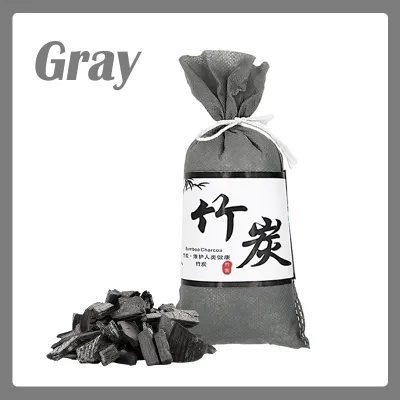
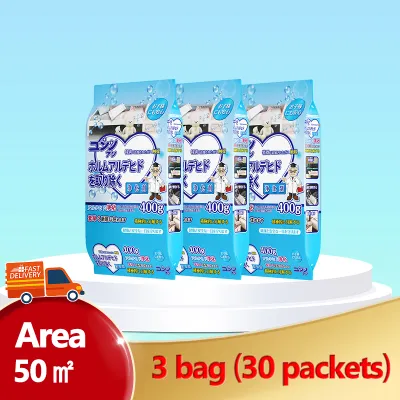
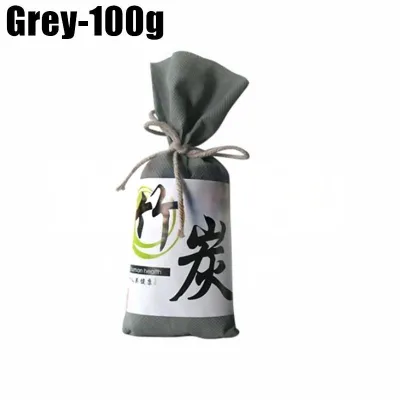
![[8/12/24 Pack] Charcoal Lavender Rose Citronella Dehumidifier Charcoal dehumidifier moisture absorber Agent Disposable dehumidifier agent pack](https://img.lazcdn.com/g/p/b9ae67b6bdf7ec82e89237efc591967b.jpg_400x400q80.jpg_.webp)

![[SG Stock] Japan Fridge Deodorant Active Charcoal Refrigerator Deodorant Fridge Deodorizer Fridge Air Freshener](https://img.lazcdn.com/g/p/d890e9b4284b9d0d14dc82c6d5015c5d.jpg_400x400q80.jpg_.webp)
Prices are valid at publication and may change. Please refer to the product page for the latest price.
The primary obstacle to this process in a tropical climate is a phenomenon known as “moisture competition.” Singapore experiences high relative humidity levels, frequently exceeding 80 percent. Because water vapor is highly abundant in the air, moisture molecules constantly bombard the charcoal bag. These water molecules rapidly occupy the active pore sites within the charcoal, leaving significantly fewer open spaces to capture actual odor-causing compounds. If a charcoal bag becomes completely saturated with atmospheric moisture, its ability to deodorize drops dramatically, rendering it temporarily ineffective until the trapped water is removed.
Furthermore, the extreme heat that accumulates inside a parked car creates a secondary challenge. When a vehicle is parked in direct sunlight in Singapore, interior cabin temperatures can easily soar past 60 degrees Celsius. This intense heat adds thermal energy to the trapped molecules inside the charcoal pores. If the charcoal has already reached its holding capacity, this elevated temperature can cause desorption, or off-gassing. The heat breaks the physical bonds holding the volatile organic compounds and moisture, potentially releasing trapped odors back into the car’s cabin air.
This means you must adjust your expectations when using a charcoal deodorizer in a tropical climate. These products are highly effective for continuous, long-term maintenance of a neutral cabin environment and for controlling mild, ambient moisture. They are not designed to provide an instant solution for sudden, severe odors, such as a spilled beverage or damp upholstery. For those situations, the charcoal works best as a supportive, secondary tool alongside deep cleaning.
What to Look for When Buying Charcoal Bags for Tropical Climates
Selecting the right charcoal deodorizer requires looking past generic marketing claims and focusing on the specific material properties that can withstand high humidity. The first major decision is choosing between standard bamboo charcoal and activated charcoal. While both are excellent natural options, activated charcoal undergoes an additional activation process that significantly increases its surface area and pore density. This makes activated charcoal much faster at adsorbing stubborn odors and chemical VOCs. Bamboo charcoal, on the other hand, features slightly larger pores that make it exceptionally good at regulating moisture. For a car in Singapore, a highly rated activated charcoal bag is often the most efficient choice.

The outer packaging material is just as critical as the carbon inside. Because the deodorizing process relies entirely on passive airflow, the charcoal must be housed in a highly breathable fabric. Natural fibers like linen, burlap, or high-quality non-woven polypropylene allow maximum air circulation, ensuring that cabin air can pass freely through the carbon core. You should strictly avoid cheap products wrapped in thick synthetic polyesters or restrictive plastic linings. These poor-quality materials restrict airflow, trapping moisture inside the bag and encouraging mold growth on the fabric itself, completely defeating the purpose of the deodorizer.
Size and capacity must also match the physical volume of your vehicle. A small 50-gram bag designed for a tiny shoe drawer will quickly become overwhelmed inside a standard sedan or sports utility vehicle (SUV). For effective passive deodorization in a standard car cabin, look for bags weighing between 100 to 200 grams. Placing two 100-gram bags in different areas of the cabin provides a larger combined surface area than a single large bag, allowing for faster and more even adsorption across the interior space.
Finally, prioritize purity and check product labels carefully to ensure you are buying 100 percent natural charcoal. Some manufacturers offer “charcoal-scented” products or bags infused with synthetic fragrance beads to mimic the immediate effect of traditional air fresheners. In Singapore’s extreme cabin heat, these synthetic additives can melt, leak, or emit overpowering chemical fumes that can degrade your interior plastics. Pure, fragrance-free charcoal is chemically inert, stable under high heat, and completely safe for your vehicle’s occupants and sensitive interior components.
Safe and Effective Placement Inside Your Car
Maximising the efficiency of your charcoal deodorizer depends heavily on strategic placement. To optimize passive air filtration, place the bags in areas where air naturally pools or where moisture and odors tend to accumulate. The space directly under the front driver or passenger seats is an ideal location, as it keeps the bags out of sight while allowing them to intercept odors rising from the floor mats. The boot or trunk of the car is another prime spot, especially if you regularly transport groceries, sports gear, or damp umbrellas that can introduce persistent musty smells.
However, automotive safety must always take priority over deodorizing efficiency. You must never place charcoal bags on top of the dashboard, near the base of the windshield, or on the steering column. In the event of sudden braking or a collision, an unsecured bag can slide freely, potentially wedging itself behind the pedals or obstructing your line of sight. More importantly, placing items on the dashboard can interfere with passenger airbag deployment zones. An airbag deploying at high speed can transform a loose charcoal bag into a dangerous projectile, risking severe injury to vehicle occupants.
Protecting your car’s interior materials from heat and moisture is another critical placement consideration. Leaving a charcoal bag in direct, concentrated sunlight on the parcel shelf or dashboard exposes the outer fabric to intense ultraviolet (UV) radiation. Over time, this UV exposure can degrade the fabric fibers, causing the bag to tear and spill fine black carbon dust all over your interior. Additionally, as the bag adsorbs moisture from the air, it can become slightly damp to the touch. Avoid placing the bags in direct, prolonged contact with untreated leather seats or sensitive wood trim, as localized moisture transfer can cause water spots or damage the material’s finish. Always refer to your vehicle’s care instructions for leather and trim maintenance.
How to Reactivate and Maintain Charcoal in High Humidity
Because Singapore’s high humidity accelerates the rate at which charcoal pores fill with water vapor, regular maintenance is essential to prevent the deodorizer from becoming a passive paperweight. Fortunately, regenerating the carbon’s adsorption capacity is a simple, cost-free process known as sun-baking. To reactivate the charcoal, simply remove the bags from your car and place them outside in direct, hot sunlight for one to two hours once a month. The solar heat warms the carbon, breaking the physical bonds of the trapped water molecules and VOCs, allowing them to evaporate and escape into the open air. The natural UV rays also help sanitize the outer fabric bag.
Recognizing when your charcoal bag has reached its saturation point requires a simple physical check. Over weeks of absorbing moisture, the bag will feel noticeably heavier than its original dry weight, and the outer fabric may feel slightly cool or damp to the touch. Another clear indicator is the return of baseline cabin odors, such as a faint mustiness after the car has been parked overnight. If you notice any of these signs, it is time to schedule a sun-baking session rather than waiting for the monthly schedule.
While charcoal is highly durable and can theoretically be reactivated repeatedly for up to two years, the intense climate cycles in Singapore will eventually take a toll. Over time, heavy microscopic particulates, dust, and non-volatile compounds that cannot be cleared by solar heat will permanently clog the deepest pores of the carbon. In a tropical environment, you should realistically expect to replace your car’s charcoal bags every 12 to 18 months to maintain peak deodorizing performance. Skipping regular sun-baking will shorten this lifespan even further, as permanently damp carbon can eventually harbor mildew.
When your charcoal bags finally reach the end of their useful life, they do not need to end up in a landfill. Because pure charcoal is completely natural and non-toxic, you can easily repurpose the spent carbon. Simply cut open the outer fabric bag and mix the charcoal pieces into your garden soil or potted plants. The porous carbon remains highly effective at improving soil aeration, retaining moisture for plant roots, and preventing soil compaction, making it an excellent eco-friendly addition to your home garden.
When Charcoal Isn't Enough: Tackling Stubborn Car Odors
While charcoal deodorizers are excellent for managing day-to-day cabin freshness, they are passive filters and cannot solve severe, active odor problems. If a foul smell persists despite having fresh charcoal bags in place, you must identify and eliminate the root cause of the odor. Charcoal can only capture molecules that are already airborne; it cannot stop a hidden source from continuously generating new smells.
One of the most common sources of persistent, musty odors in Singaporean cars is the air conditioning system. The rapid temperature change when you turn off your car causes condensation to pool on the air conditioning evaporator coil. In a dark, warm, and humid environment, this moisture quickly becomes a breeding ground for mold, mildew, and bacteria. When you turn on the fan, a sour, damp smell is blasted into the cabin. To resolve this, you must clean the system using specialized automotive AC anti-bacterial foams or sprays, and replace your cabin air filter according to your vehicle manufacturer’s maintenance schedule.
Spills and biological stains are another area where passive charcoal will fail. If milk, coffee, food, or pet waste seeps deep into the seat foam or carpet fibers, the organic material will continue to decay. Passive charcoal cannot pull deep-seated liquids out of upholstery. To tackle these issues, you must apply specialized enzymatic cleaners that chemically break down the organic compounds, or seek professional interior detailing that utilizes hot-water extraction to pull the contaminants out of the fabric. Always check the cleaning product label and your car’s manual before applying wet cleaners to upholstery or electronics.
For vehicles suffering from severe, deeply entrenched odors—such as those left behind by tobacco smoke or mold infestations—advanced remediation may be required. Professional detailing services often utilize ozone generators or specialized thermal fogging treatments. These methods actively distribute sanitizing agents throughout the cabin, neutralizing odor molecules on contact and reaching deep into air vents and fabric pores. Once these professional treatments have eliminated the primary source of the smell, you can then place fresh charcoal deodorizers in the car to maintain that clean, neutral baseline over the long term.
Frequently Asked Questions (FAQ)
Can I leave a charcoal deodorizer in my car overnight?
Yes, it is completely safe and highly recommended to leave your charcoal deodorizer in the car overnight. Because charcoal is entirely non-toxic, non-flammable, and does not rely on chemical reactions, it poses zero safety risks when left unattended. In fact, leaving the bag inside the vehicle overnight allows it to work continuously during the cooler, quiet hours when the air conditioning is off, helping to absorb any lingering moisture and odors so your car smells neutral when you step in the next morning.
Will a charcoal bag damage my car's leather seats?
Pure activated or bamboo charcoal is chemically inert and will not cause chemical damage, staining, or discoloration to your car’s leather upholstery. However, because the bag’s primary job is to absorb ambient moisture, the outer fabric can occasionally become slightly damp if the cabin humidity is exceptionally high. To prevent any localized moisture transfer or water spot marks on sensitive, untreated leather, it is best to place the bag on a rubber floor mat or under the seat rather than leaving it in direct, prolonged contact with the leather surfaces.
How do I know if my charcoal deodorizer has stopped working?
You can easily determine if your charcoal deodorizer has stopped working by checking for a few physical signs. If the bag feels unusually heavy, cold, or damp to the touch, its pores are likely saturated with water vapor. Additionally, if the ambient odors in your car return or if the bag itself begins to emit a faint, musty, or sour smell, the carbon has reached its holding capacity. In most cases, a thorough sun-baking session will reactivate it, but if the odors persist immediately after sun exposure, the pores are permanently clogged and the bag must be replaced.
Community discussion
Share your experience or ask a question. Comments are reviewed before publication.