
Valve caps do not hold the air in your tires—the internal valve core performs that critical function. However, they play an essential protective role. While driving without them will not cause an immediate blowout, leaving valve stems exposed invites dirt, moisture, and road debris that can eventually compromise the valve core and lead to slow, frustrating air leaks. Understanding this distinction helps you decide whether replacing missing caps is a necessary maintenance step or merely a cosmetic choice.
Every time you drive, your tires encounter a variety of harsh environmental elements. From fine road dust to standing water, the lower sections of your vehicle are constantly subjected to debris. The valve stem, which protrudes from the wheel rim, is the sole gateway for adjusting tire pressure. Protecting this gateway is vital for long-term tire health and driving safety.
The True Function of a Car Tire Valve Cap
The primary role of a car tire valve cap is to act as a physical shield for the delicate valve core housed inside the stem. The valve core contains a tiny spring-loaded pin that depresses to allow air in and seals shut to keep air from escaping. Because this mechanism relies on a clean, unobstructed seal, even minute particles of dust, sand, or road salt can prevent the pin from closing fully. A secure cap keeps these contaminants away from the core, ensuring the primary seal remains clean and functional.
Products mentioned in this guide

![[SG READY STOCK] Aluminium Schrader Air Valve Cap Caps Bicycle Car Road Bike PMD E-scooter e-bike ebike tyre](https://img.lazcdn.com/g/p/e5503ad6a9f6f22ba3c23df4fdcb6c50.jpg_400x400q80.jpg_.webp)
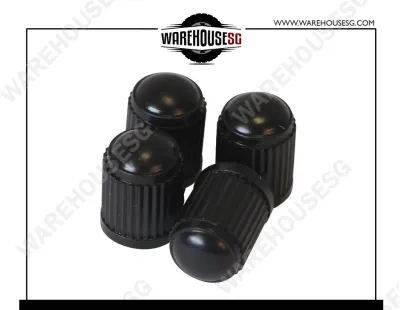

Prices are valid at publication and may change. Please refer to the product page for the latest price.
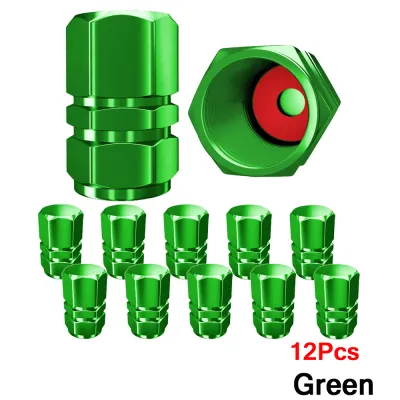
In addition to keeping debris out, many high-quality valve caps serve a secondary role as a backup seal. These caps feature a small internal rubber gasket or O-ring. If the internal valve core develops a minor leak, a properly tightened cap with an O-ring can temporarily contain the escaping air, slowing down the pressure loss. However, it is important to remember that the cap is not designed to be the primary pressure barrier; it is merely a secondary line of defense.
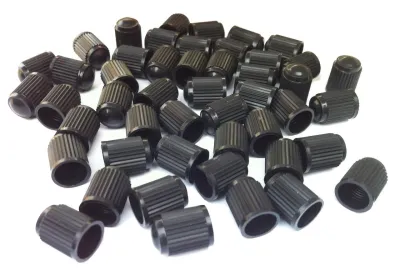
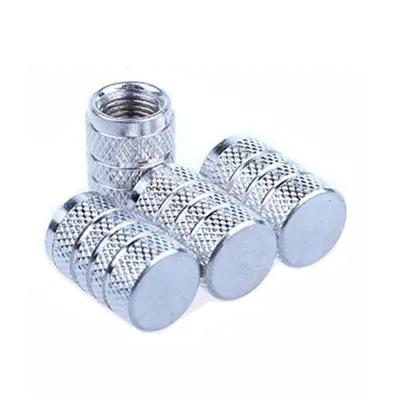
When selecting valve caps, the choice of material introduces distinct physical dynamics. Standard plastic caps are highly common, inexpensive, and completely immune to corrosion. They do an excellent job of keeping out dirt and moisture, though they can degrade and crack over time when exposed to intense sunlight and heat. Metal caps, often made of aluminum, brass, or chrome-plated steel, offer greater physical durability but come with a hidden risk of galvanic corrosion when dissimilar metals interact on the valve stem.
Risks of Driving With Missing or Damaged Valve Caps
Driving without a valve cap might seem harmless in the short term, but it exposes the valve stem to continuous environmental hazards. Over time, road grime, water, and mud accumulate inside the exposed chamber of the stem. When you eventually attach an air compressor chuck to inflate your tires, the high-pressure air stream can force this accumulated dirt directly into the valve core. Once trapped inside, these abrasive particles can damage the rubber seals or jam the spring mechanism, causing a persistent slow leak.

This compromise of the valve core initiates a problematic cascade effect throughout your vehicle’s performance. As air slowly escapes, the tire operates below its recommended inflation pressure. Under-inflated tires suffer from increased rolling resistance, which reduces fuel efficiency and accelerates tread wear along the outer edges of the tire. Furthermore, low tire pressure can trigger your vehicle’s Tire Pressure Monitoring System (TPMS) warning light, requiring frequent stops to top up the air and diagnose the issue.
Exposed valve stems also face physical vulnerability from external road hazards. Without a cap to protect them, the external threads on the valve stem can become nicked, flattened, or packed with hardened road debris. When you attempt to screw on a cap later or attach a screw-on pump nozzle, these damaged threads can lead to cross-threading. Cross-threading ruins the stem’s threads permanently, making it difficult to achieve an airtight seal and often necessitating a trip to a tire shop for a replacement stem.
How to Inspect and Clean Your Tire Valve Stems
Regularly inspecting your valve stems is a simple yet highly effective preventive maintenance habit. Start by performing a visual check of all four wheels, looking for missing, cracked, or severely faded caps. If your vehicle uses rubber valve stems, gently wiggle the stem from side to side while inspecting the base where it meets the wheel rim. Look closely for signs of dry rot, deep cracks, or weathering in the rubber, as a degraded stem base can fail suddenly and cause rapid air loss.
If you find a valve stem that has been missing its cap, clean it thoroughly before inflating the tire or installing a replacement. Avoid using sharp metal tools that could damage the delicate internal valve pin. Instead, use a soft-bristled brush and a small amount of clean water to gently clear away dirt from the opening, allowing the area to dry completely.
Before attaching an air chuck to an uncapped stem, give the valve pin a brief, gentle tap to release a tiny puff of air. This outward blast helps blow out loose dust or moisture trapped in the upper chamber, preventing it from being pushed deeper into the seal. Once the stem is clean, you can safely adjust the pressure and screw on a fresh cap.
Stop DIY efforts and seek professional tire service if the stem is torn, bent, or actively hissing. If you notice a valve stem is visibly cracked at the base, do not attempt to inflate the tire or force a cap onto it. A continuous hissing sound indicates the internal core or stem has failed, requiring immediate replacement at a professional service center.
Choosing the Right Replacement Valve Caps
When purchasing replacement caps, matching the cap material to your specific valve stem type is critical for preventing long-term damage. In humid and wet road conditions, such as those experienced daily in Singapore, moisture acts as an electrolyte that accelerates galvanic corrosion between incompatible metals. If your vehicle has aluminum valve stems—common on many modern cars equipped with direct TPMS—you must avoid brass or unlined steel caps. Opt instead for high-quality plastic caps or metal caps specifically designed with a protective plastic inner liner.
Verifying standard thread compatibility is generally straightforward, as the vast majority of passenger vehicles, motorcycles, and bicycles use a standardized thread size known as the Schrader valve. When browsing online marketplaces or local auto parts shops, ensure the product description explicitly states compatibility with standard Schrader valves. Avoid purchasing specialized caps intended for Presta or Dunlop valves, which are typically found on high-performance bicycles and will not fit your car’s valve stems.
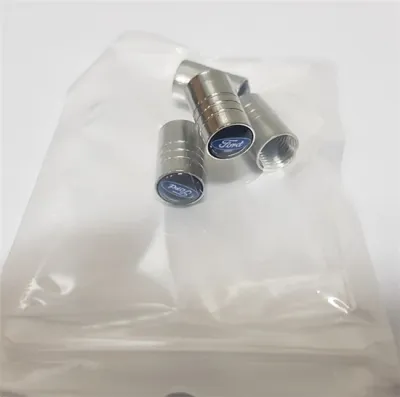
While custom, decorative, or oversized valve caps can add a personalized touch to your wheels, it is important to balance aesthetic preferences with functional requirements. Overly heavy or unbalanced decorative caps can place unnecessary centrifugal stress on the valve stem when the wheel spins at high speeds. This constant flexing can cause the rubber at the base of the stem to fatigue and crack prematurely. For daily driving, lightweight plastic or slim, lined aluminum caps offer the best balance of protection and safety.
Frequently Asked Questions (FAQ)
Can a missing valve cap cause a sudden flat tire?
A missing valve cap will not cause an immediate or sudden flat tire if the internal valve core is clean and functioning properly. The valve core is the primary component responsible for holding the air pressure inside the tire. However, leaving the stem uncapped over several weeks or months exposes the core to road debris and moisture. This exposure leads to gradual seal degradation, which eventually causes a slow, persistent air leak rather than a sudden blowout.
Do I need special valve caps for TPMS sensors?
You do not need highly specialized caps for Tire Pressure Monitoring System (TPMS) sensors, but you must be extremely careful about the material you choose. Most standard plastic caps are completely safe and compatible with all TPMS valve stems. If you prefer metal caps, you must ensure they have a plastic or composite inner sleeve. Unlined metal caps can corrode and permanently seize onto the metal TPMS valve stems, which can damage the expensive sensor assembly during removal.
How tight should a tire valve cap be?
Tire valve caps should only be tightened securely by hand. Hand-tightening provides sufficient force to compress the internal rubber O-ring and create an airtight seal against moisture and dust. You should never use pliers, wrenches, or excessive force to tighten a cap. Over-tightening can easily crack plastic caps, strip the threads on the valve stem, or crack the delicate metal housing of a TPMS sensor, leading to costly repairs.
Community discussion
Share your experience or ask a question. Comments are reviewed before publication.