
Bamboo charcoal bags can help mitigate mild odors and localized moisture in a car, but Singapore’s extreme relative humidity and intense tropical heat severely test their physical limits. Unlike active electronic systems, these bags are passive absorbers that rely on physical adsorption to trap airborne molecules. In a sealed vehicle parked under the tropical sun, high temperatures and moisture saturation can quickly reduce their effectiveness. Understanding how these bags interact with the local climate is essential for managing expectations and maintaining a fresh cabin environment.
While many drivers view these charcoal pouches as a set-and-forget solution, their performance depends entirely on physical laws. By analyzing how bamboo charcoal behaves in high-humidity environments, how to properly maintain them, and where to safely position them, you can determine whether they are the right choice for your vehicle or if alternative solutions are required.
How Bamboo Charcoal Interacts with High Humidity and Heat
Bamboo charcoal is manufactured through pyrolysis, a process where bamboo is heated at high temperatures in the absence of oxygen. This thermal treatment creates a highly porous structure with millions of microscopic cavities. These pores act as physical traps for volatile organic compounds (VOCs), odor molecules, and water vapor. The process is known as physical adsorption, where gas or liquid molecules adhere to the internal surfaces of the charcoal pores due to intermolecular forces, rather than forming a chemical bond.
Products mentioned in this guide
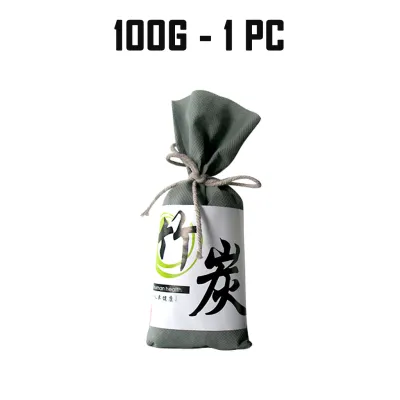

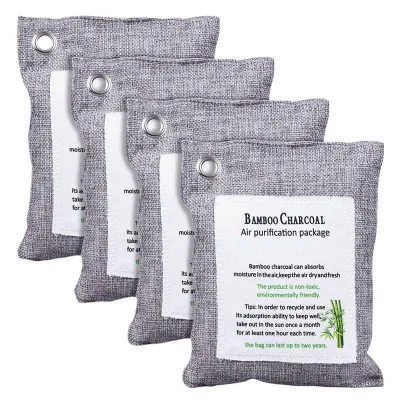
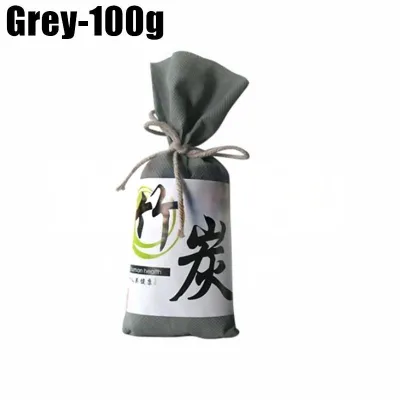
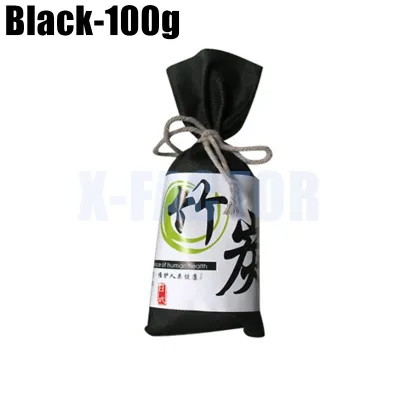
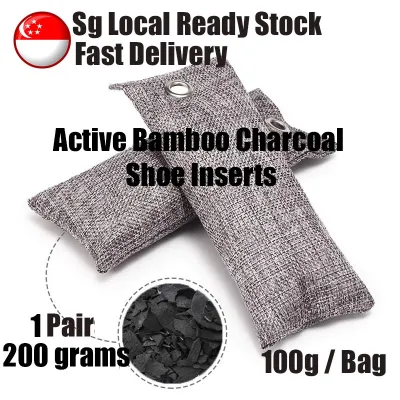
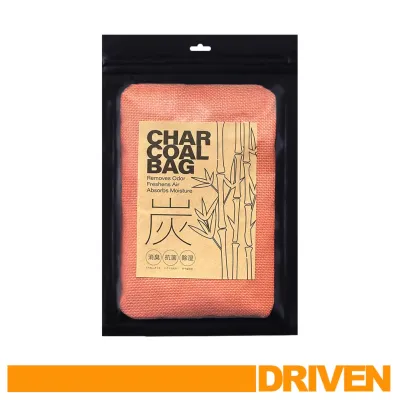
Prices are valid at publication and may change. Please refer to the product page for the latest price.
In Singapore, where relative humidity levels frequently exceed 80% year-round, the air is heavily saturated with water vapor. Because physical adsorption is non-selective, a bamboo charcoal bag will adsorb both water molecules and odor-causing compounds simultaneously. The high abundance of ambient moisture means the microscopic pores can fill up rapidly. Once these cavities are completely occupied by water molecules, the charcoal reaches its saturation point and can no longer capture additional odors or moisture from the cabin air.
Furthermore, elevated temperatures inside a parked vehicle can reverse this adsorption process. When a car is parked in an unsheltered HDB carpark or an open driveway, interior temperatures can easily climb above 60°C. This intense heat increases the kinetic energy of the trapped molecules, causing them to detach from the pore walls—a phenomenon known as desorption. Consequently, a highly saturated charcoal bag left on a hot dashboard may actually release previously trapped moisture and musty odors back into the vehicle’s cabin.
Evaluating Effectiveness for Car Odors and Dampness
To determine if a bamboo charcoal bag is suitable for your vehicle, it is important to distinguish between masking odors and physically removing them. Traditional car air fresheners often use heavy synthetic perfumes to overpower unpleasant smells, which can sometimes combine with musty air to create an even more irritating scent. Bamboo charcoal bags are completely unscented and work by extracting the odor molecules from the air, making them a practical option for drivers who prefer a neutral, fragrance-free cabin.

However, drivers must maintain realistic expectations regarding moisture control. A passive charcoal bag containing 200 to 500 grams of charcoal cannot act as a rapid dehumidifier for a water-logged vehicle. If your car has wet floor mats from a sudden tropical downpour, a leaking door seal, or a clogged air conditioning drain line, a charcoal bag will not prevent mold growth or dry out the carpets. It is designed solely to manage minor, localized humidity fluctuations and slow, continuous odor buildup.
Because bamboo charcoal does not undergo any visible physical changes when it is full, you must monitor its performance through observable signs. The most reliable indicator of saturation is the gradual return of lingering odors that were previously controlled, such as food smells or air conditioning mustiness. Additionally, if the fabric pouch feels unusually heavy or slightly damp to the touch, the charcoal has likely reached its maximum moisture capacity and requires immediate maintenance.
Maintenance and Recharging in a Tropical Climate
To restore the adsorption capacity of a bamboo charcoal bag, you must periodically clear the trapped moisture and volatile compounds from its microscopic pores. This rejuvenation process requires direct solar exposure. Placing the bag in outdoor sunlight warms the charcoal, providing the energy needed for the trapped molecules to desorb, while the natural outdoor airflow carries the released moisture and gases away from the bag.
A common mistake among car owners in Singapore is attempting to recharge the bag by leaving it on the dashboard while the car is parked in the sun. While the dashboard certainly reaches high temperatures, the sealed cabin of the vehicle traps the evaporating moisture and odors. Without active ventilation and direct, unfiltered ultraviolet (UV) light—which is largely blocked by automotive glass and window tints—the released compounds simply remain in the air and are re-adsorbed by the charcoal as soon as the cabin cools down. For effective recharging, the bag must be placed outdoors on a balcony, patio, or windowsill.
Given Singapore’s persistent humidity, establishing a regular maintenance schedule is crucial. While manufacturer labels often suggest recharging once a month, you may need to do this every two weeks during the wetter monsoon seasons. A typical recharge requires placing the bag in direct, outdoor sunlight for at least two to three hours. Always consult the product label for specific fabric care instructions, as some outer pouches may have unique temperature limits or material restrictions.
Placement and Safety Considerations Inside the Vehicle
For a passive charcoal bag to work effectively, air must physically circulate through the fabric pouch. Tucking a bag deep under a seat or inside a crowded glove compartment where air is stagnant will severely limit its ability to adsorb compounds. Optimal placement areas include hanging the bag from the front seat headrest posts, placing it in the door pockets, or securing it in the center console area where cabin air naturally flows when the air conditioning system is running.
Safety must always be the primary consideration when positioning loose items inside a vehicle. Never place a charcoal bag on top of the dashboard where it could slide, obstruct your line of sight, or interfere with the driver’s controls. Crucially, ensure that the bag is kept completely clear of all airbag deployment zones, including the steering wheel hub, the passenger-side dashboard, and the side pillars. Refer to your vehicle’s owner manual to identify the exact locations of the SRS airbags before placing any accessories.
Additionally, the intense heat and humidity inside a parked car can cause low-quality materials to degrade. Before purchasing, inspect the outer fabric of the bag to ensure it is made of durable, heat-resistant material like linen or heavy cotton. Cheap synthetic fabrics may break down over time, potentially spilling fine charcoal dust onto your car’s upholstery. You should also check the fabric for colorfastness; some dyed materials can transfer color onto light-colored leather or vinyl seats when exposed to heat and moisture. Placing a small, non-slip protective barrier under the bag can help prevent surface staining.
Alternatives When Charcoal Bags Fall Short
If a bamboo charcoal bag fails to resolve persistent odors or dampness in your vehicle, you must diagnose and address the underlying cause. Persistent musty smells often point to water entry or mechanical issues. Inspect the footwells for damp carpets, check the door and sunroof weatherstripping for cracks or dry rot, and verify that the air conditioning evaporator drain tube is clear. If water is actively leaking into the cabin, passive absorbers will not solve the problem.
When moisture control is your primary concern, silica gel desiccants are generally more efficient than bamboo charcoal. Silica gel chemically binds water vapor and can hold a significant percentage of its dry weight in moisture before reaching saturation. For severe humidity issues, rechargeable electronic dehumidifiers designed for vehicles or disposable calcium chloride moisture absorbers can provide a more robust solution, though disposable chemical absorbers must be secured carefully to prevent corrosive liquid spills.
For stubborn organic odors, such as spilled food, pet accidents, or deep-seated tobacco smoke, passive adsorption is rarely sufficient. These situations require active cleaning products. Use specialized automotive upholstery cleaners, enzymatic odor eliminators, or professional steam cleaning to break down the organic compounds at their source. Once the source of the odor has been thoroughly cleaned and sanitized, a bamboo charcoal bag can then be used as a maintenance tool to keep the cabin air fresh.
Frequently Asked Questions (FAQ)
How long does a bamboo charcoal bag typically last before needing replacement?
Most manufacturers state that a high-quality bamboo charcoal bag can be recharged and reused for up to two years. However, in Singapore’s highly humid climate, physical degradation of the outer fabric and the gradual accumulation of non-desorbed compounds may shorten this functional lifespan. Check the manufacturer’s guidelines on the packaging. If the bag continues to smell musty even after a full afternoon of direct outdoor sun-drying, or if the fabric shows signs of tearing, thinning, or shedding charcoal dust, it should be replaced.
Can I recharge the charcoal bag using the car's air conditioning or heater?
No, you cannot effectively recharge a charcoal bag using your car’s climate control system. Recharging requires direct ultraviolet (UV) light to help break the physical bonds of the adsorbed compounds, along with open, moving air to carry the released moisture and odor molecules away. Running the car’s heater or air conditioning inside a closed cabin will only warm the bag and cause it to release trapped odors back into the interior air, where they will remain trapped. Always place the bag outdoors in direct sunlight for proper rejuvenation.

Community discussion
Share your experience or ask a question. Comments are reviewed before publication.