
Quick Answer: Which Navigation Setup Fits Your Driving Needs?
Navigating Singapore’s dense, fast-moving road network requires rapid decision-making. For the vast majority of local drivers, utilizing phone-based navigation apps like Waze, Google Maps, or Apple Maps paired with a high-quality car phone holder mount is the most practical, cost-effective, and dynamic solution. This setup excels because it leverages massive crowdsourced data to deliver real-time traffic updates, immediate accident alerts, and active speed camera warnings.
However, a dedicated car GPS system remains a highly viable alternative for specific driving demographics. Professional private-hire vehicle drivers, delivery operators, and long-distance commuters often benefit from dedicated units. These devices eliminate the risk of smartphone battery degradation, prevent device overheating under the intense Singapore sun, and ensure your communication line remains completely free for incoming passenger calls or business coordination.
Core Comparison: How They Handle Singapore’s Roads
While both systems are designed to guide you from point A to point B, their underlying technologies, hardware limitations, and software ecosystems create distinct driving experiences. Understanding how these platforms handle the unique infrastructure of Singapore—from Electronic Road Pricing (ERP) gantries to deep underground tunnels—will help you determine which system fits your daily commute.
Products mentioned in this guide
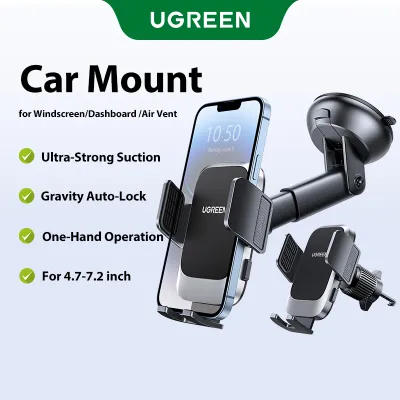
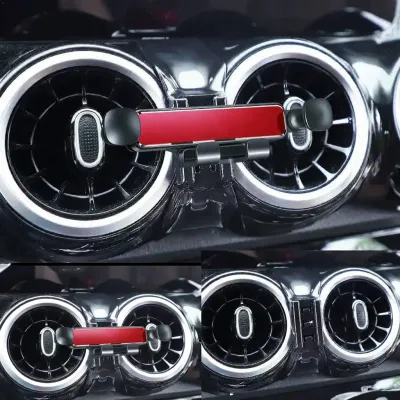
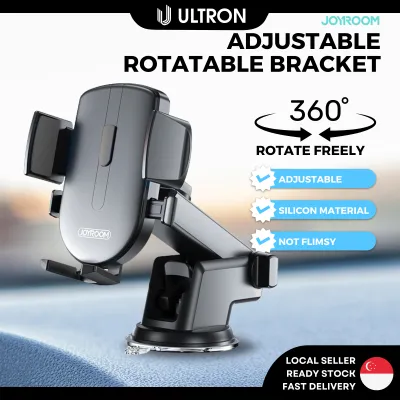
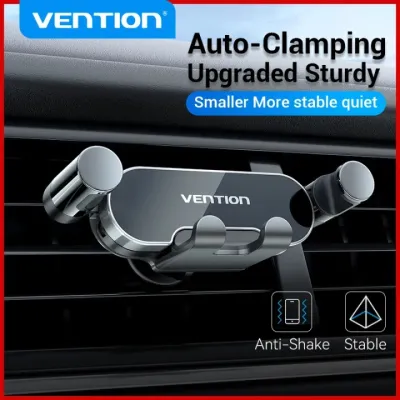
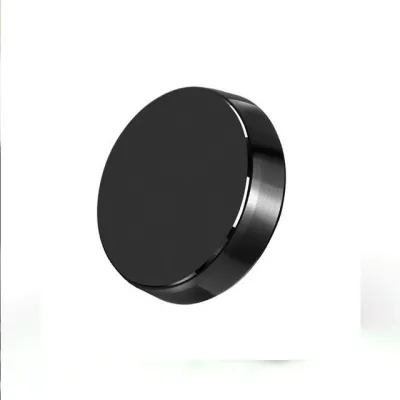
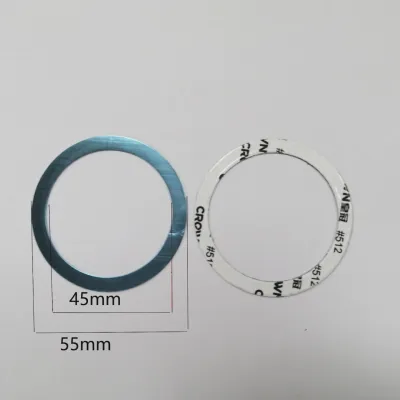
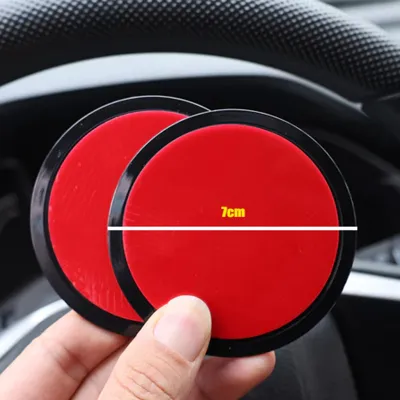
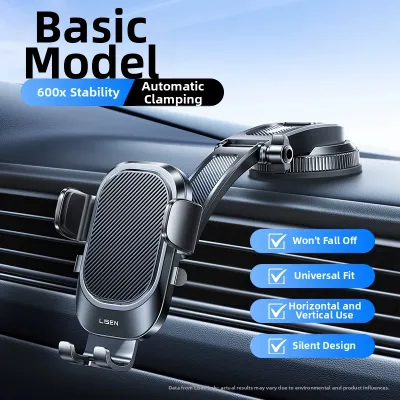
Prices are valid at publication and may change. Please refer to the product page for the latest price.

Real-Time Traffic and Community Alerts
Singapore’s traffic conditions can shift in minutes, particularly during morning and evening peak hours on major expressways like the Pan Island Expressway (PIE) and the Ayer Rajah Expressway (AYE). Phone navigation apps excel in these dynamic environments because they rely on real-time crowdsourced data from millions of active users. If a vehicle breaks down in the middle lane of the Central Expressway (CTE), a phone app will often detect the sudden drop in average speed and recalculate your route almost instantly. Furthermore, the community-driven nature of these apps allows drivers to report road hazards, temporary lane closures, or active police speed traps, giving you a granular level of situational awareness that traditional systems struggle to match.
In contrast, dedicated car GPS units approach traffic management differently. While premium models can receive live traffic data, they typically do so via built-in traffic receivers, such as RDS-TMC broadcast signals, or by tethering to your smartphone’s mobile hotspot. While these methods are effective for identifying general expressway congestion, they often lack the immediate, crowd-verified precision of dedicated phone apps. The update intervals for dedicated GPS traffic feeds are generally slower, meaning you might only learn about a major bottleneck after you have already committed to an exit. For drivers who prioritize avoiding traffic jams and finding the fastest possible route through Singapore’s arterial roads, the phone-and-mount combination offers a clear advantage.
Signal Reliability in Tunnels and Basements
Losing your navigation signal at a critical junction can lead to a frustrating detour, especially when navigating Singapore’s extensive underground road network, such as the Marina Coastal Expressway (MCE) or the CTE tunnels. Because both smartphones and dedicated GPS units rely on line-of-sight signals from orbiting satellites, entering any tunnel or deep basement carpark will inevitably interrupt the primary GPS connection. How each system handles this temporary blindness is where they diverge.
Smartphones primarily utilize Assisted GPS (A-GPS), which combines satellite data with cellular tower triangulation and local Wi-Fi network signals to estimate your position. When underground, phone apps rely heavily on software-based dead reckoning—using your last known speed and trajectory to estimate where you are along the pre-planned route. This works reasonably well in straight tunnels, but can quickly become confused if you take an underground exit or encounter heavy stop-and-go traffic.
Conversely, high-end dedicated car GPS units are often engineered with superior hardware-based dead reckoning systems. These units can feature built-in physical sensors, including gyroscopes, accelerometers, and sometimes direct connections to the vehicle’s odometer. By measuring the car’s actual physical rotation and speed, these dedicated devices can track your precise movement underground without any satellite signal. If you frequently navigate complex underground expressway exits or find yourself losing your way inside massive HDB or condominium basement carparks, you should carefully verify the hardware specifications of any dedicated GPS unit to ensure it includes these advanced inertial sensors.
Hardware Costs and Ongoing Expenses
Evaluating the financial investment of each navigation method requires looking beyond the initial purchase price. The phone navigation route appears to have a near-zero software cost, as premium mapping applications are entirely free to download and use. However, this setup introduces several secondary expenses that are essential for a safe and functional experience. To use your phone safely, you must invest in a high-quality car phone holder mount that can withstand vehicle vibrations and local heat. You will also need a reliable, fast-charging car adapter and cable to keep up with the heavy power consumption of a screen running at high brightness while running GPS and cellular antennas simultaneously. Over time, this constant charging and high heat exposure can accelerate smartphone battery degradation, potentially leading to premature battery replacement costs.
On the other hand, a dedicated car GPS unit requires a significant upfront financial commitment. Premium models can cost several hundred Singapore dollars. While this initial price tag is high, it represents a self-contained ecosystem. There are no ongoing cellular data costs associated with the device, and many reputable brands offer lifetime map updates included in the purchase price. Additionally, using a dedicated unit completely spares your primary smartphone from wear and tear. For drivers who plan to keep their vehicles for several years or those who drive long hours daily, the upfront cost of a dedicated GPS can be amortized over time, potentially matching the long-term wear-and-tear costs associated with using a primary smartphone.
Screen Visibility and Interface Usability
Singapore’s tropical climate brings intense sunlight and high ambient temperatures, both of which pose significant challenges for in-car displays. Dedicated GPS units are specifically engineered for the automotive environment. They typically feature large, matte, anti-glare screens designed to remain highly visible even when direct sunlight streams through the windshield. Furthermore, their internal components are built to tolerate high thermal thresholds, meaning they will continue to function reliably without dimming or shutting down, even during a hot afternoon drive along the East Coast Parkway (ECP).
Smartphones, by contrast, are general-purpose consumer electronics not optimized solely for dashboard use. When mounted on a windshield or dashboard, a smartphone is exposed to direct solar radiation and engine heat radiating through the firewall. To protect its internal battery, a smartphone will automatically dim its screen when it begins to overheat, making it incredibly difficult to read under bright daylight. In extreme cases, the phone may shut down entirely to cool off, leaving you without navigation at a crucial moment. Additionally, smartphone interfaces feature smaller touch targets designed for hand-held use, which can be distracting and difficult to interact with safely while driving, compared to the simplified, high-contrast menus of dedicated automotive GPS units.
Why Your Car Phone Holder Mount Makes or Breaks the Experience
If you choose to use your smartphone for navigation, your entire driving experience will depend directly on the quality and placement of your car phone holder mount. A poorly designed or incorrectly installed mount is more than just an inconvenience—it is a significant safety hazard. If a mount fails during sudden braking or a sharp turn, your phone can become a dangerous projectile inside the cabin, or fall under the pedals, obstructing your ability to control the vehicle. When selecting a mount, you must choose a design that suits both your vehicle’s interior layout and Singapore’s climate.
Air Vent Mounts are highly popular because they are easy to install and position your phone within easy reach. An added benefit in our local climate is that the cold air from your car’s air conditioning system blows directly onto the back of the phone, actively preventing it from overheating during long navigation sessions. However, these mounts block a portion of your cabin’s airflow, which can be uncomfortable on hot days. Over time, the weight of a modern, heavy smartphone bouncing on rough roads can also crack or warp your air vent’s plastic louvers.
Suction Cup and Dashboard Adhesive Mounts offer excellent flexibility, allowing you to position your phone closer to your natural line of sight. However, Singapore’s intense heat and humidity can severely test the durability of these mounting mechanisms. Direct sunlight heating the windshield can cause the suction cup’s gel pad to melt, dry out, or lose its vacuum seal, leading to sudden mount failure. If you choose an adhesive dashboard mount, you must verify that the adhesive is rated for high-temperature automotive environments, as standard adhesives will quickly liquefy and leave a sticky, hard-to-clean residue on your dashboard.
CD Slot and Console Mounts utilize existing gaps in your car’s dashboard or center console to provide an incredibly stable, mechanical connection. Because they do not rely on suction or adhesives, they are virtually immune to heat-related failures. However, their suitability depends entirely on your vehicle’s specific interior design. If your car has a modern touchscreen infotainment system without a physical CD player, or if the CD slot is positioned too low, this style of mount may not be a viable option.
Regardless of the mounting style you select, safety must remain your primary consideration. The mount must be positioned so that it does not block your view of the road, side mirrors, or any critical vehicle displays. Additionally, because GPS navigation drains phone batteries rapidly, you should plan a clean routing path for your charging cable. Loose, dangling cables can easily catch on your gear shifter, wiper stalks, or steering wheel, posing a serious physical distraction while driving.
Side-by-Side Feature Breakdown
To help you quickly evaluate the trade-offs between these two navigation methods, the table below outlines how they compare across key operational dimensions.
| Feature | Dedicated Car GPS | Phone Navigation + Mount |
|---|---|---|
| Real-Time Traffic Accuracy | Good (via tethering or built-in receiver) | Excellent (crowdsourced, instant updates) |
| Community Hazard Alerts | Limited or unavailable | Excellent (police, accidents, roadkill) |
| Screen Visibility in Sunlight | Excellent (anti-glare, high brightness) | Variable (can overheat and dim) |
| Tunnel Navigation | Good (if equipped with hardware sensors) | Fair (relies on software and cellular data) |
| Upfront Hardware Cost | High (device purchase required) | Low (only need to buy a mount and cable) |
| Battery Impact | None (uses vehicle power) | High (requires constant charging) |
| Map Updates | Manual or via Wi-Fi/PC | Automatic and seamless via app stores |
How to Decide: Choose Phone Navigation or Dedicated GPS?
Making your final choice comes down to your daily driving habits, your budget, and how you use your vehicle.
Choose Phone Navigation + Mount if:
- You want up-to-the-minute, crowd-sourced alerts for traffic jams, speed cameras, and road hazards.
- You prefer a highly cost-effective setup and already own a modern smartphone.
- You want a seamless, automatic map update process that occurs in the background without requiring manual downloads or computer connections.
- You only drive occasionally or for short commutes where phone battery wear and heat buildup are minimal concerns.
Choose Dedicated Car GPS if:
- You are a professional driver, such as a PHV or delivery driver, who needs your phone screen free for passenger apps, dispatch systems, and incoming calls.
- You drive long hours daily and want to protect your expensive smartphone from severe battery degradation and thermal stress.
- You frequently drive through areas with poor cellular coverage or complex underground road networks where hardware-based dead reckoning is required.
- You prefer a dedicated, distraction-free screen with physical controls and a matte, anti-glare display designed specifically for bright daylight.
Verify first if:
- You are managing a commercial fleet or driving heavy vehicles. Standard consumer GPS units and basic phone apps do not account for heavy vehicle height clearances, weight limits, or specific commercial route restrictions. If your driving involves commercial logistics, you must verify that your navigation device or software is explicitly rated for commercial fleet management before making a purchase.
Frequently Asked Questions (FAQ)
Is it legal to use a phone mount on the windshield in Singapore?
Yes, it is legal to use a phone mount on your windshield or dashboard in Singapore, but you must adhere strictly to safety guidelines enforced by the Singapore Traffic Police. The most critical rule is that the mount and your phone must not obstruct your clear view of the road ahead, your side mirrors, or your vehicle’s physical surroundings.
To ensure compliance and maintain optimal safety, it is highly recommended to position the mount as low as possible on the windshield or secure it directly to the dashboard. Avoid placing the device directly in your primary line of sight or in a position where it could interfere with the deployment of your vehicle’s airbags. Remember that operating your phone while holding it in your hand while driving is a serious offense under local traffic laws; using a high-quality mount keeps you compliant and ensures your hands remain on the wheel.
Do dedicated GPS units update ERP rates automatically?
No, standard consumer dedicated GPS units do not automatically track, calculate, or deduct Electronic Road Pricing (ERP) charges in real time. While some premium GPS units may have historic ERP rate databases pre-loaded into their software to estimate trip costs, these databases are rarely updated automatically to reflect temporary rate adjustments, holiday schedules, or sudden policy changes.
Actual ERP tracking, rate calculation, and automatic payment processing are handled exclusively by your vehicle’s official In-vehicle Unit (IU) or the newer On-Board Unit (OBU) interacting with the physical ERP gantries. If you need to check current ERP rates or plan routes specifically to avoid high tolls, you should use specialized local motoring applications or consult official government traffic portals. Do not rely on a standard navigation device as a guaranteed source of truth for real-time toll costs or compliance.
Community discussion
Share your experience or ask a question. Comments are reviewed before publication.