
The choice between a dedicated car GPS and a smartphone paired with a car phone stand depends entirely on your driving environment, vehicle layout, and reliance on real-time data. There is no universal winner; dedicated units excel in offline reliability and screen size, while phone setups offer highly responsive real-time traffic updates and lower upfront costs. This guide breaks down the hardware, performance, safety, and cost dimensions to help you decide which navigation setup fits your specific driving needs in Singapore.
Core Differences in Hardware and Setup
Dedicated GPS units and smartphone setups require very different physical installations and power configurations. A dedicated GPS typically mounts via a heavy-duty suction cup on the windshield or a dashboard adhesive pad. These devices feature fixed screen sizes, usually ranging from five to seven inches, which cannot be adjusted or swapped without purchasing an entirely new unit. Because they are designed solely for in-car use, their physical housing is built to withstand prolonged exposure to sunlight on the dashboard.
In contrast, using a smartphone requires selecting a compatible phone stand car mount. Common options include magnetic mounts, gravity cradles, and mechanical clamps. When choosing a stand, you must verify that its grip width, weight capacity, and mounting mechanism match your specific phone model, case thickness, and vehicle dashboard design. A heavy phone or a thick protective case can cause gravity mounts to slip or magnetic mounts to lose their grip during sudden stops.
Products mentioned in this guide
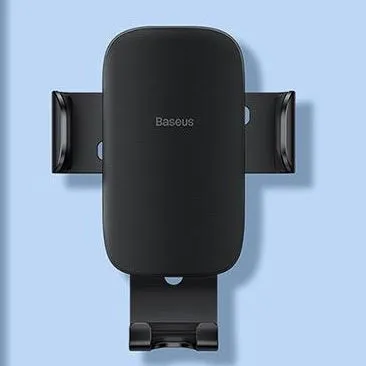
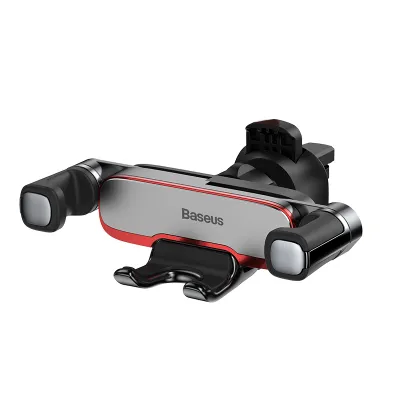

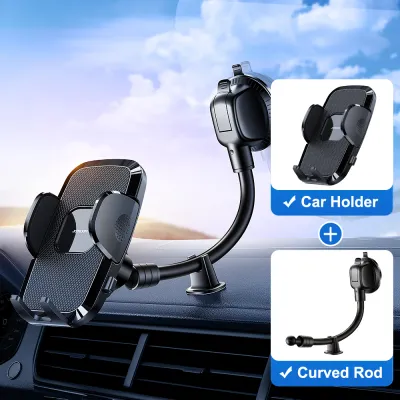
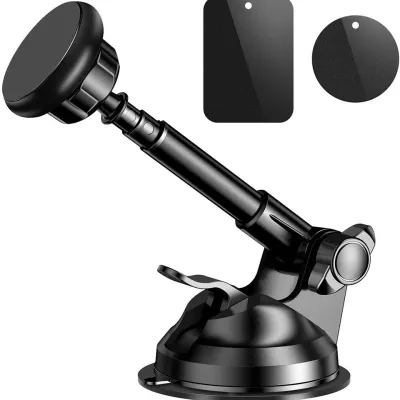
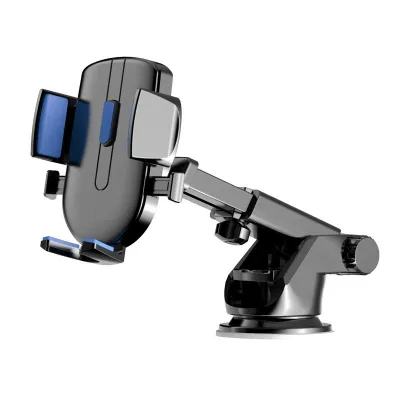

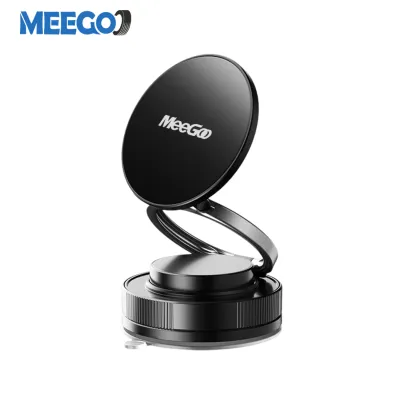
Prices are valid at publication and may change. Please refer to the product page for the latest price.
Power management also differs significantly between the two systems. Dedicated GPS units generally run on a continuous wired connection to the vehicle’s 12V cigarette lighter socket or a USB port, drawing a steady, predictable amount of power. Smartphone navigation, however, is highly resource-intensive and drains batteries rapidly. If you choose a phone stand car mount with integrated wireless charging, you must verify that the charger’s wattage output matches your phone’s fast-charging requirements to ensure the battery actually charges while running GPS and screen-intensive applications.
Navigation Performance and Data Reliability
Signal reliability and map accuracy are critical when navigating complex road networks, such as Singapore’s multi-tiered expressways and underground tunnels. Dedicated GPS units rely on direct satellite connections and store their map data locally on internal storage or memory cards. This offline architecture ensures that navigation remains uninterrupted even when driving through deep tunnels, under heavy tree canopies, or in areas with poor cellular reception. However, obtaining a strong initial satellite lock can sometimes take several minutes if the vehicle is parked in a high-density high-rise estate or a multi-story carpark.

Smartphones rely heavily on cellular data networks to download map tiles and calculate routes in real time. While this allows for instantaneous routing, a sudden drop in mobile signal—common in underground carparks or deep road tunnels—can cause the navigation app to freeze or lose tracking. To mitigate this, drivers must manually download offline map regions within their preferred navigation app before starting their journey.
When it comes to map updates, the two systems use completely different mechanisms. Dedicated GPS units require periodic manual updates, which often involve connecting the device to a computer to download large firmware and map files. This means newly constructed roads, temporary diversions, or changed traffic rules may not appear on your screen immediately. Smartphone apps, by contrast, utilize crowdsourced, real-time data to update maps instantly, providing immediate alerts for road closures, accidents, and speed camera locations.
Safety, Ergonomics, and Driving Distraction
Maintaining a clear line of sight while driving is essential for road safety. Dedicated GPS units are typically placed in a fixed position on the dashboard or windshield, which can sometimes create a physical blind spot depending on the size of the device and the slope of your windshield. Because these devices are designed purely for navigation, they do not display incoming text messages, social media alerts, or phone calls, minimizing visual distractions while you drive.
A phone stand car mount offers much greater flexibility in placement, allowing you to mount the device on air vents, the CD slot, or the dashboard. However, this flexibility requires careful adjustment to ensure the phone does not block your view of the road or obscure vital instrument clusters. Furthermore, because smartphones are multi-purpose devices, drivers must actively configure “Do Not Disturb” or driving modes to prevent incoming notifications from flashing on the screen and causing dangerous distractions.
The physical interaction with the screen also varies. Many dedicated GPS units use resistive touchscreens, which require a firm press and can feel sluggish compared to modern devices, though they are highly reliable in extreme temperatures. Smartphones feature highly responsive capacitive screens and advanced voice assistant integration, allowing you to input destinations hands-free. Regardless of the device you choose, you should verify that the screen has adequate anti-glare properties to remain readable under the intense, direct sunlight typical of Singapore’s tropical climate.
Cost, Maintenance, and Long-Term Value
The initial financial investment is often the deciding factor for many drivers. A dedicated GPS unit represents a significant upfront hardware cost, with prices ranging from basic models to premium units with built-in dashcams. Additionally, some manufacturers charge ongoing subscription fees for lifetime map updates or premium traffic services, which can add to the long-term cost of ownership.
Using a smartphone for navigation is generally much more budget-friendly, as most drivers already own a capable phone. The primary upfront cost is limited to purchasing a high-quality phone stand car mount, which can range from budget-friendly plastic clips to premium wireless charging mounts. However, you must factor in the indirect costs, such as increased mobile data consumption and the potential wear and tear on your phone’s hardware.
Device longevity and heat management are also critical considerations. Dedicated GPS units are engineered to operate within high-temperature environments, though their internal batteries will eventually degrade over years of continuous charging. Smartphones, on the other hand, generate substantial internal heat when running GPS processors, screen backlights, and cellular modems simultaneously. When mounted on a dashboard under direct sunlight, a smartphone can quickly overheat, leading to thermal throttling, screen dimming, or permanent battery degradation.
Decision Framework: Which Setup Should You Choose?
To determine the most suitable setup for your daily commute, evaluate your specific driving habits and vehicle limitations.
You should choose a dedicated car GPS if:
- You frequently drive through areas with unreliable cellular coverage or travel across borders where data roaming is expensive.
- You prefer a permanent, single-purpose device that does not drain your phone's battery or interrupt your music and calls.
- You want a larger, dedicated screen that remains permanently mounted in your vehicle without the hassle of mounting and unmounting your phone for every trip.
You should choose phone navigation with a phone stand car mount if:
- You rely heavily on real-time traffic updates, dynamic rerouting, and crowdsourced road alerts to navigate daily congestion.
- You prefer a cost-effective setup that utilizes your existing smartphone and requires only a one-time investment in a reliable mount.
- You want a highly responsive interface with seamless voice commands and instant access to the latest point-of-interest updates.
Before making any purchase, verify your vehicle’s specific layout. Check if your windshield has specialized UV or metallic tinting, as these films can degrade GPS satellite signals and prevent suction cups from adhering securely. If opting for a smartphone setup, measure your phone’s dimensions and weight with its case on to ensure a secure fit with your chosen phone stand car mount.
Frequently Asked Questions (FAQ)
Can a car phone stand damage my phone or car interior?
Yes, improper installation or using an incompatible mount can cause physical damage. Air vent clips can easily crack or snap plastic vent blades if the phone is too heavy or if you pull the device away too forcefully. Dashboard adhesive pads can leave a sticky residue or discolor delicate leather and soft-touch plastics when exposed to high cabin temperatures. If you use a magnetic mount, verify that the metal plate is positioned correctly so it does not block your phone’s internal wireless charging coils or interfere with its digital compass.
Is it legal to use a phone for navigation while driving in Singapore?
Yes, using a smartphone for navigation is legal in Singapore, provided the device is securely mounted in a phone stand car holder fixed to the dashboard or windshield. The mount must be positioned so that it does not obstruct your view of the road ahead. Under local traffic laws, holding a mobile phone or any communication device while the vehicle is in motion is strictly prohibited. All route adjustments, destination inputs, or interactions must be performed while the vehicle is safely parked, or managed entirely hands-free using voice commands.

Community discussion
Share your experience or ask a question. Comments are reviewed before publication.