
Your Rockbros rain jacket is a vital piece of gear when the weather turns wet, but understanding its exact protective limits requires looking past basic marketing terms. To determine how dry you will stay, you must understand the specific waterproof rating of your gear and how it translates to the high-velocity, high-pressure environment of motorcycle riding. While many riders expect a simple “waterproof” label to suffice, the reality of wind-driven rain demands a closer look at technical specifications.
Knowing whether your jacket can withstand a brief shower or a prolonged tropical downpour comes down to two primary rating systems: the Hydrostatic Head (measured in millimeters) and, occasionally, Ingress Protection (IPX) ratings. By locating these specifications and understanding how they interact with wind speed, humidity, and wear, you can make informed decisions about your riding gear. This guide breaks down how to find your jacket’s rating, what those numbers mean on the road, and how to maintain your gear for long-term performance.
How to Find and Read Your Rockbros Rain Jacket's Waterproof Rating
To find the exact waterproof capabilities of your Rockbros rain jacket (often searched as rockbros 雨衣), you should first inspect the physical garment and its packaging. Start by checking the inner care label, which is typically stitched into the side seam or near the collar. This label often lists the material composition and any certified waterproof ratings. If the information is not printed on the care label, consult the original retail hangtag or the official product specification page for your specific model number.
Products mentioned in this guide
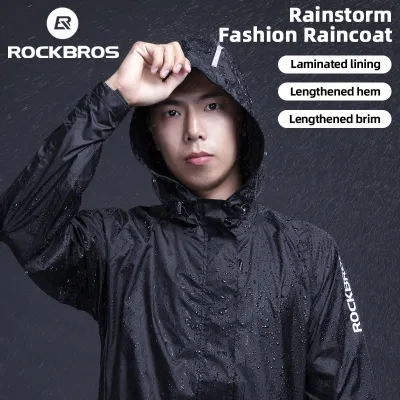
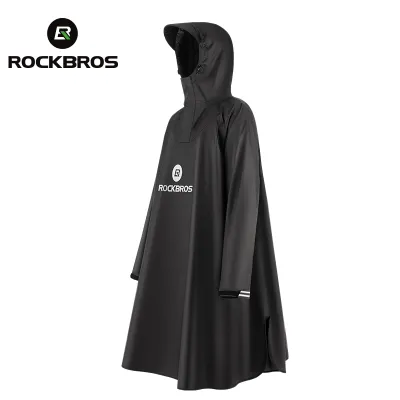
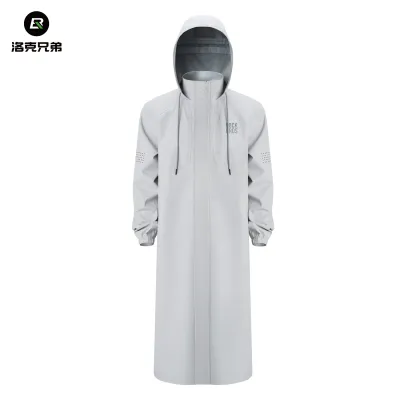
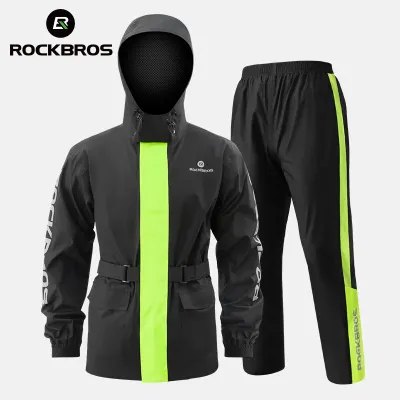
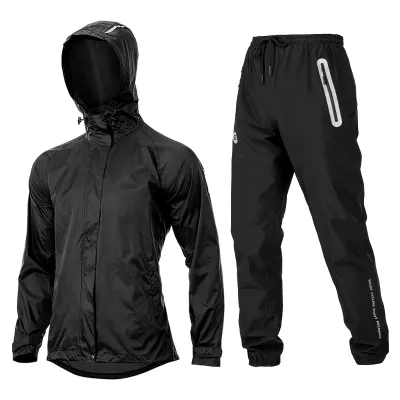
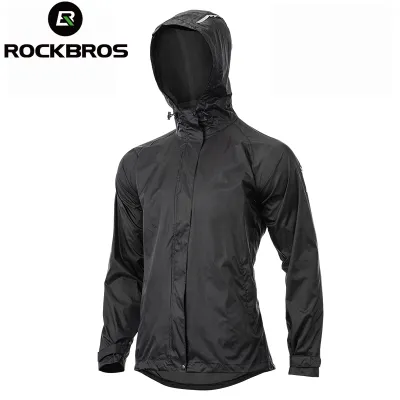
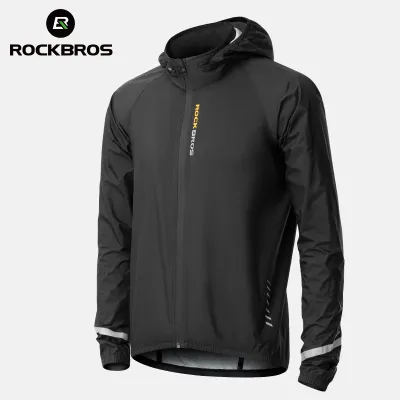
Prices are valid at publication and may change. Please refer to the product page for the latest price.
Motorcycle and outdoor apparel manufacturers primarily use the Hydrostatic Head rating, expressed in millimeters (e.g., 5,000mm or 10,000mm), to define fabric waterproofness. This is a standardized textile measurement that differs significantly from the IPX scale used for electronic devices. While some product listings might mention an IPX rating to highlight water resistance, the millimeter rating remains the industry standard for garment fabrics.
If you do encounter an IPX rating (such as IPX5 or IPX6) in the marketing materials for your jacket, it typically refers to the water resistance of specific components, such as the zippers, pocket closures, or seam-taping methods. It does not represent the overall fabric’s ability to resist water penetration under sustained pressure. Avoid relying on generic marketing terms like “highly water-resistant” or “weatherproof”; only a verified numerical rating provides a reliable baseline for riding protection.
What Waterproof Ratings Actually Mean for Motorcyclists
Understanding technical textile ratings is crucial because riding a motorcycle subjects gear to forces that ordinary rainwear never experiences. A jacket that keeps a pedestrian dry during a casual walk can fail within minutes on a motorcycle due to the physical dynamics of riding.

Hydrostatic Head (mm) and Riding Dynamics
The Hydrostatic Head rating measures the static water pressure a fabric can withstand before moisture penetrates the material. During testing, a sealed tube is placed over the fabric and filled with water. The height of the water column in millimeters at the moment water begins to seep through determines the rating. For example, a fabric rated at 5,000mm can support a 5,000-millimeter-tall column of water before leaking.
For motorcyclists, general industry standards help map these ratings to real-world weather conditions:
- Under 3,000mm: Suitable only for light, brief drizzles or low-speed urban commutes.
- 5,000mm: Provides adequate protection during moderate rainfall for short to medium distances.
- 10,000mm and above: Highly recommended for heavy downpours, prolonged exposure, and highway-speed riding.
The critical factor for riders is “dynamic water pressure.” When you ride at speeds of 50 to 80 km/h, the wind forces rainwater against the fabric with far greater pressure than gravity alone. This velocity effectively multiplies the water pressure on high-impact areas like the chest, shoulders, and upper arms. Consequently, a jacket with a 5,000mm rating might keep you dry while standing still, but will quickly wet through when subjected to the dynamic forces of highway riding in the same rain.
IPX Ratings vs. Fabric Waterproofing
Some riders confuse garment waterproof ratings with the IPX ratings commonly found on phone mounts, intercoms, or rugged electronics. The IPX scale measures ingress protection against liquid sprays and jets under specific laboratory conditions. For example, IPX4 denotes protection against splashing water, IPX5 indicates resistance to low-pressure water jets, and IPX6 represents protection against powerful high-pressure water jets.
While these ratings are useful for solid enclosures, they are less comprehensive for riding jackets. IPX testing does not measure the fabric’s ability to resist the sustained, continuous hydrostatic pressure that occurs during a long ride. Instead, it typically evaluates whether water can penetrate openings like zippers or seams during brief, high-volume exposures.
When evaluating riding gear, always prioritize the millimeter hydrostatic rating for the main fabric. Use the presence of “fully taped seams” as your secondary confirmation of weather protection. Fully taped seams mean that a waterproof tape has been heat-sealed over the interior stitching, preventing water from leaking through the needle holes.
Evaluating Protection for Singapore's Tropical Downpours
Riding in Singapore presents unique environmental challenges that require a careful balance between waterproof performance and climate comfort. The local climate is characterized by sudden, intense tropical downpours and consistently high ambient heat and humidity. These conditions demand more from your gear than a typical cool-climate rain jacket can provide.
For heavy tropical storms, a hydrostatic head rating of 8,000mm to 10,000mm or higher is highly recommended. The sheer volume of water dropped during a sudden monsoon downpour, combined with typical road speeds, will easily overwhelm lower-rated fabrics. However, selecting a high waterproof rating introduces a major trade-off: breathability.
Breathability is measured in grams of water vapor that can pass through a square meter of fabric over 24 hours (g/m²/24h). In a hot and humid environment like Singapore, a highly waterproof but non-breathable jacket will trap your body heat and sweat. This creates an internal “sauna effect,” leaving you just as wet from your own perspiration as you would be from a leak. To prevent this, look for jackets that feature both a high waterproof rating and a high breathability rating (such as 5,000g/m²/24h or more).
You can also manage this trade-off by utilizing the jacket’s physical design features. Many riding jackets include dedicated ventilation zippers under the arms or across the back. Keeping these vents open during lighter rain or when stopped at traffic lights allows humid air to escape while keeping the rain out.
Finally, always prioritize safety on wet roads. A rain jacket provides weather protection, not impact protection. Ensure your rain gear is sized to fit comfortably over your standard motorcycle armor without restricting your movement. Additionally, remain highly mindful of reduced visibility and slippery road surfaces during heavy tropical downpours.
Maintenance Tips to Preserve Waterproof Performance
To ensure your Rockbros rain jacket retains its factory waterproof rating over time, regular and correct maintenance is essential. Over time, road grime, exhaust emissions, dirt, and body oils accumulate on the fabric’s surface. This buildup degrades the Durable Water Repellent (DWR) coating applied to the outer fabric, causing the material to “wet out” by absorbing water rather than shedding it.
When cleaning your jacket, always follow the specific instructions on the internal care label. If hand washing is recommended, use cool water and a mild, non-detergent technical soap designed specifically for waterproof outerwear. Standard household laundry detergents contain surfactants that can leave a residue, attracting water and stripping away the DWR coating.
Avoid using fabric softeners or bleach under any circumstances, as these chemicals will permanently damage the waterproof membrane and ruin the DWR finish. If you use a washing machine, select a delicate cycle with cold water and ensure all zippers and hook-and-loop fasteners are fully closed to prevent snagging.
After washing, air-dry the jacket away from direct, intense sunlight, as prolonged UV exposure can degrade the synthetic fibers. Once the jacket is dry, test its water repellency by splashing a few drops of water on the surface. If the water fails to bead up and instead soaks into the outer fabric, apply a wash-in or spray-on DWR restorer compatible with the jacket’s material to restore its original performance.
Frequently Asked Questions (FAQ)
Can I wash my Rockbros rain jacket in a washing machine?
You must always check the internal care label first to confirm if machine washing is safe for your specific model. If permitted, use a front-loading washing machine on a gentle, cold-water cycle with a specialized technical outerwear cleaner. Avoid using top-loading machines with center agitators, which can twist and damage the waterproof membrane, and never use fabric softeners or standard detergents.
Does a higher waterproof rating mean the jacket is completely waterproof?
A higher rating indicates that the fabric itself can resist greater water pressure before leaking, but it does not guarantee a completely dry interior. Water can still enter the jacket through unsealed zippers, open collars, loose cuffs, or ventilation ports. Achieving complete dryness depends on a proper fit, overlapping storm flaps, and fully sealed seams working in tandem with a high hydrostatic head rating.
Community discussion
Share your experience or ask a question. Comments are reviewed before publication.