
When evaluating the capabilities of the xiaomi air pump 2 pro, understanding how its technical specifications translate to real-world performance is the key to avoiding roadside frustration. Portable electric inflators have largely replaced manual floor pumps and gas station air compressors for routine maintenance, but their utility varies significantly depending on the tire type you need to service. Whether you are dealing with a high-volume car tire, a balanced motorcycle tire, or a high-pressure road bike tire, matching the pump’s output to your specific tire requirements is essential for safety, speed, and efficiency.
By analyzing the pressure range, flow rate, and thermal limits of this compact tool, you can determine exactly how it fits into your vehicle maintenance routine. This guide breaks down the physical mechanics of portable inflation, helping you make informed decisions before you head out on the road.
Understanding the Key Specs of the Xiaomi Air Pump 2 Pro
To evaluate any portable tire inflator, you must look closely at three primary performance metrics: maximum pressure limit, flow rate, and pressure accuracy. The maximum pressure limit determines the hardest tire the pump can physically inflate, while the flow rate—typically measured in liters per minute (L/min)—dictates how quickly air is pushed into the tire chamber. Pressure accuracy, represented by a variance margin (such as +/- 1 or 2 PSI), ensures the device stops inflating at the exact level required for optimal safety and handling.
Products mentioned in this guide
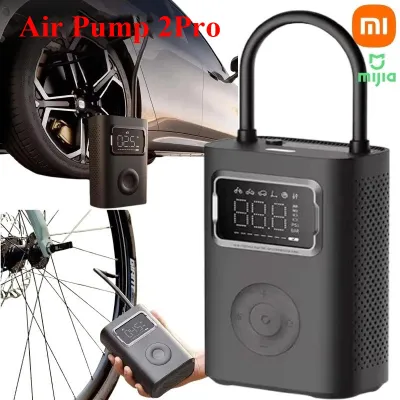
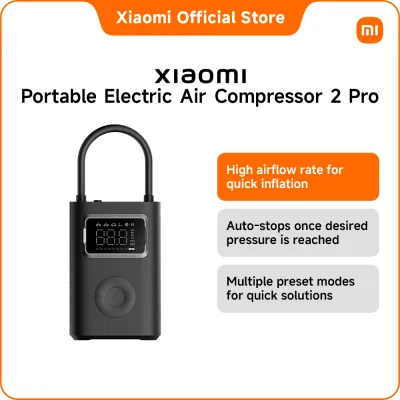
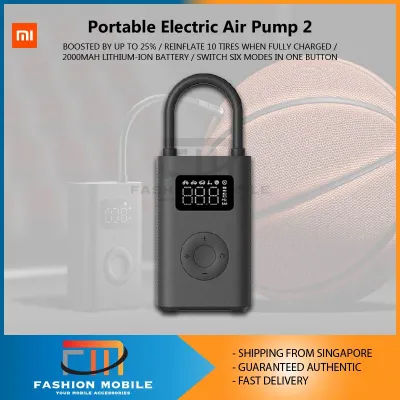
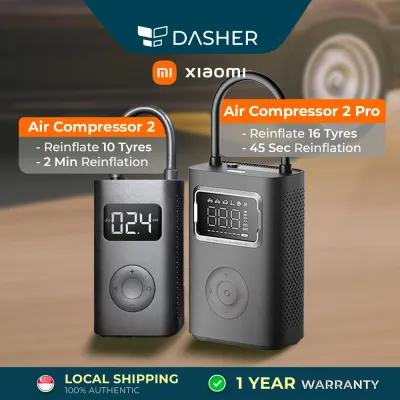
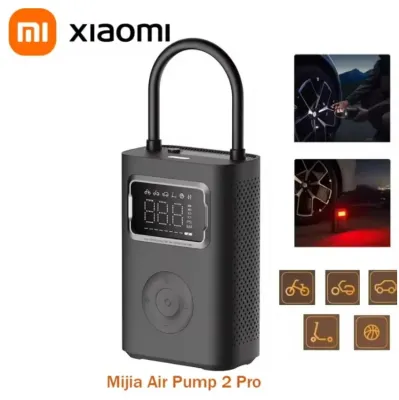
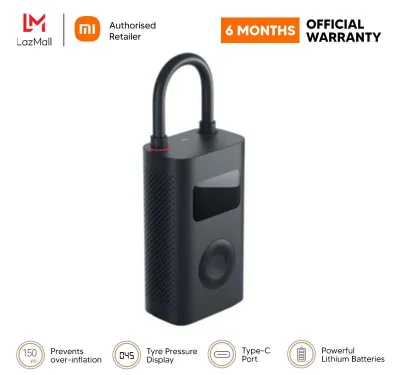
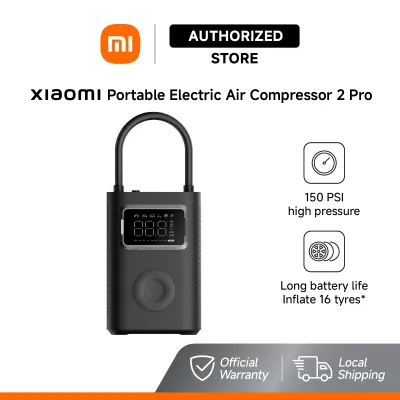
![[2025] Xiaomi Pump 2 MiJia Portable Handheld Electronic Air inflator/Pump Suitable For Car Motorcycle EBike Scooter Instock](https://img.lazcdn.com/g/p/3e082dd3fde1bc260eb18bfa0cd19ce7.jpg_400x400q80.jpg_.webp)
Prices are valid at publication and may change. Please refer to the product page for the latest price.
Because manufacturers occasionally update hardware revisions and internal components, you should always verify the exact numerical values for these metrics on your specific product packaging or the official user manual. Relying on generalized online figures can lead to operational errors if your specific unit has different operating thresholds.
A critical distinction to keep in mind is the difference between peak pressure and sustainable operating pressure. Peak pressure is the absolute maximum threshold the internal motor can achieve briefly under ideal laboratory conditions, whereas sustainable operating pressure is the range the pump can safely maintain during continuous real-world operation without overheating or damaging its internal seals.
While the preset inflation modes on the device offer convenient, one-touch settings for standard tires, understanding these raw specifications is essential if you need to inflate non-standard, oversized, or specialized tires. Operating outside default parameters requires manual adjustments to ensure you do not over-inflate or under-inflate your tires, both of which compromise road safety.
Inflating Car Tires: Flow Rate and Volume Capacity
Car tires present a specific engineering challenge for portable inflators: they require a relatively low pressure—commonly between 30 to 40 PSI—but demand a massive volume of air. Pushing this volume of air through a small, battery-powered piston takes time. The flow rate of your portable pump directly dictates how long you will spend standing beside your vehicle. A minor top-up of 2 to 3 PSI on a slightly underinflated tire might only take a minute or two, but filling a tire that has lost significant pressure will require the pump to run continuously for several minutes.

This continuous operation directly impacts battery life. To manage expectations, you should estimate the number of car tires you can top up on a single charge by referencing the manufacturer’s stated battery capacity and comparing it to the volume of your specific tires. Larger passenger vehicles, such as sport utility vehicles (SUVs) or multi-purpose vehicles (MPVs), have much larger tire cavities than compact hatchbacks, meaning they will deplete the battery much faster during a top-up session.
It is vital to recognize the safety boundaries of portable inflators. These devices are engineered for routine maintenance top-ups and emergency roadside situations. They are not designed to mount, seat, or inflate completely flat, unseated car tires from scratch. Attempting to seat a tire bead requires an instantaneous burst of high-volume air that only a heavy-duty, tank-based garage compressor can provide.
Before performing any tire maintenance, always consult your vehicle’s owner’s manual or the tire placard located on the driver’s side B-pillar to verify the exact cold inflation pressure requirements. For safety-critical systems like tires, operating outside the manufacturer’s specified limits can compromise road legality and vehicle safety. If you observe structural damage, uneven wear, or a completely unseated tire bead, do not attempt to inflate it yourself; instead, consult a qualified tire professional immediately.
Inflating Motorcycle Tires: Balancing Speed and Pressure
Motorcycle and scooter tires occupy a middle ground in the inflation spectrum. They contain a significantly smaller volume of air than car tires, yet they often operate at similar or slightly higher pressures. Because of this smaller volume, the flow rate of the pump provides an exceptionally practical balance here, allowing you to perform quick pressure adjustments during a ride without rapidly draining the internal battery.
For riders, portability is just as important as inflation speed. The physical dimensions and weight of the pump are key factors when planning how to carry it. A compact, self-contained unit fits easily into under-seat storage compartments, top boxes, or saddlebags, making it a highly convenient tool for daily commuters and weekend touring enthusiasts alike.
When preparing to inflate, always check the specific front and rear tire pressure requirements for your motorcycle. These values often differ significantly due to weight distribution and handling dynamics. You can typically find these manufacturer recommendations on a sticker attached to the swingarm or in your motorcycle’s owner’s manual. Adjusting to the exact specified pressures is critical for maintaining grip, cornering stability, and braking performance.
Inflating Bicycle Tires: High-Pressure Limits and Accuracy
Bicycle tires require a completely different performance profile, where raw inflation speed is secondary to pressure capability and precision. Mountain bike tires are wide and operate at low pressures (often 20 to 35 PSI) but require a decent volume of air. Conversely, road bike tires are incredibly narrow and require exceptionally high pressures, frequently ranging from 80 to 120 PSI.
For road cyclists, the pump’s maximum pressure rating is the ultimate deciding factor. If the pump cannot reliably sustain high pressures, it will stall before reaching the necessary threshold. Furthermore, pressure accuracy is paramount for narrow tires. A variance of just 2 PSI can dramatically alter your ride quality, increase rolling resistance, or raise the risk of a pinch flat.
While the digital gauge and auto-stop feature offer excellent convenience by halting inflation once the target pressure is reached, they are subject to minor calibration drifts over time. If your cycling discipline demands absolute precision, you should always visually verify the final pressure using a separate, high-quality, calibrated analog or digital pressure gauge. For bicycle applications, prioritize high accuracy and a robust maximum pressure rating over a fast flow rate.
Operating in Singapore's Climate: Heat Dissipation and Safety Limits
Operating battery-powered machinery in Singapore’s hot and humid tropical climate introduces distinct physical challenges. High ambient temperatures limit the pump’s ability to dissipate heat generated by the internal motor and battery cells during operation. Consequently, the built-in thermal protection mechanisms may trigger much earlier than they would in cooler climates, shutting down the device mid-inflation to prevent permanent damage.
To protect the internal components, you must adhere strictly to the manufacturer’s recommended duty cycle. This is the maximum continuous run time allowed before the pump requires a dedicated cool-down period. Running the pump beyond these limits risks melting internal seals or degrading the lithium-ion battery pack.
When checking your tires, always perform the measurements when the tires are cold—meaning the vehicle has been parked for at least three hours or driven less than two kilometers. Driving or riding on hot Singaporean asphalt rapidly heats the air inside the tires, causing a temporary expansion that increases internal pressure. Checking hot tires will give you an artificially high reading, which can confuse the pump’s digital gauge and lead to dangerous underinflation once the tires cool down.
Finally, pay close attention to valve compatibility. Most cars, motorcycles, and mountain bikes use rugged Schrader valves, whereas road bikes typically utilize narrower Presta valves. Before attempting to inflate, ensure you have securely attached the correct adapter to the pump’s hose. A loose or incorrect connection will cause air leakage, prolong inflation times, and result in highly inaccurate pressure readings on the digital display.
Frequently Asked Questions (FAQ)
Can the Xiaomi Air Pump 2 Pro inflate a completely flat car tire?
While the pump can technically inflate a flat car tire, doing so requires a massive volume of air, which will rapidly deplete the battery and generate significant internal heat. It is capable of emergency top-ups to get a vehicle to a safe location or a service station, but it is not designed to replace a heavy-duty garage compressor for mounting and seating completely flat tires.
Do I need an adapter for road bike Presta valves?
Yes, because the pump’s native hose typically features a Schrader valve connector, a Presta-to-Schrader adapter is required for most road and high-end gravel bikes. Before attaching the adapter and pump hose, remember to unscrew the Presta valve tip and press it down briefly to unstick the core, ensuring accurate pressure readings and unrestricted airflow.
Community discussion
Share your experience or ask a question. Comments are reviewed before publication.