
When riding through a sudden tropical downpour in Singapore, understanding the waterproof rating on your riding gear is the difference between arriving dry and getting completely soaked. Rockbros rain jackets (rockbros 雨衣) are popular choices for both cyclists and motorcyclists navigating wet roads, but their performance depends heavily on the specific hydrostatic head rating (measured in mmH2O) of the fabric.
A waterproof rating indicates how much water pressure a fabric can withstand before moisture begins to penetrate the material. For active riders, matching this rating to your travel speed, trip duration, and local weather patterns is essential to ensure your gear performs under the dynamic pressure of wind and rain.
What Waterproof Ratings (mmH2O) Actually Measure
The technical metric used to define water resistance is the hydrostatic head test, measured in millimeters of water column (mmH2O). To determine this number, laboratory technicians place a column of water over a piece of taut fabric. The height of the water column in millimeters at the exact moment water begins to seep through the textile becomes the fabric’s official rating. For instance, a jacket rated at 5,000mm can theoretically hold a 5,000-millimeter-tall column of water before leaking.
Products mentioned in this guide
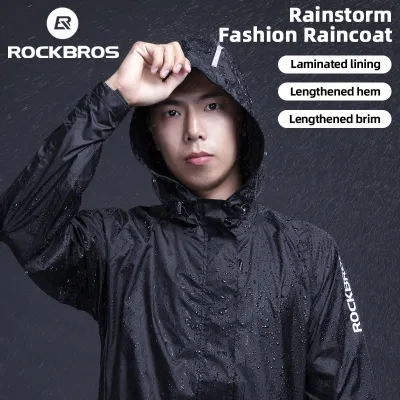
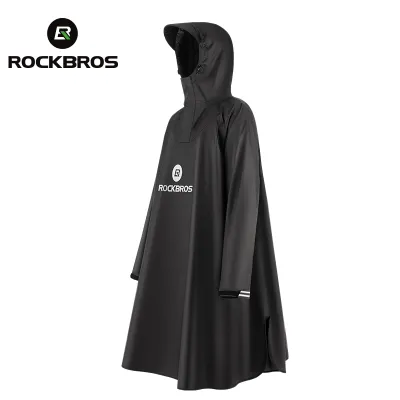
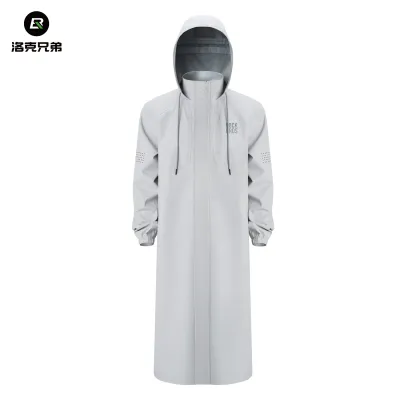
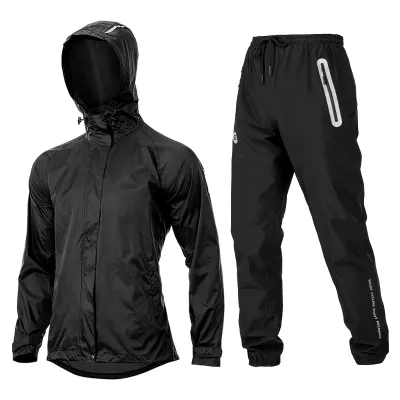
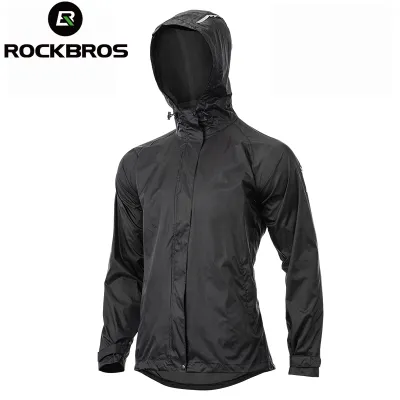
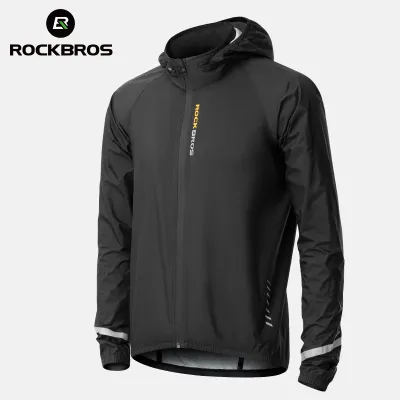
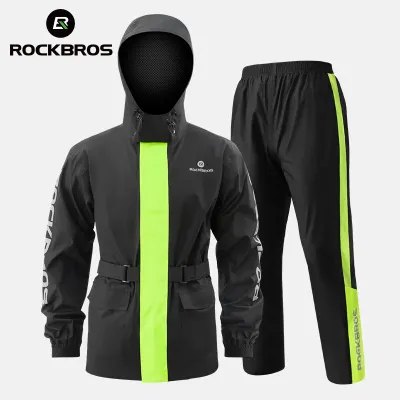
Prices are valid at publication and may change. Please refer to the product page for the latest price.
In the outdoor and riding gear industry, there is a clear distinction between “water-resistant” and “waterproof” materials. Fabrics rated under 3,000mm are generally classified as water-resistant, meaning they can repel light drizzle or short splashes but will quickly saturate under sustained pressure. True waterproof performance typically begins at the 5,000mm threshold, where the fabric’s membrane or coating is dense enough to block continuous rainfall.
Because Rockbros designs a wide range of rain gear tailored to different budgets and activities, specifications vary significantly across their product lineup. Some lightweight windbreakers offer basic water resistance, while dedicated heavy-duty riding suits feature robust waterproof membranes. Riders must always inspect the specific product tag, care label, or official online store listings to verify the exact mmH2O rating of their chosen Rockbros model before heading out into a storm.
Why Lab Ratings Differ from Real-World Riding Conditions
While laboratory tests provide a standardized baseline, static measurements do not replicate the dynamic forces encountered while riding a bicycle or motorcycle. When you are stationary, gravity is the primary force acting on the rain. However, when you ride, your forward momentum creates wind-driven pressure that forces water droplets against the fabric at much higher velocities, effectively multiplying the pressure on the material.

For example, a cyclist riding at 25 km/h into a headwind experiences significantly more pressure than a pedestrian walking in the same rain. For motorcyclists traveling at highway speeds of 80 km/h or higher, the impact velocity of rain droplets can easily overcome a low-rated fabric that performed perfectly in a static lab test. The faster you travel, the higher the waterproof rating you need to prevent water from being forced through the microscopic pores of the jacket.
Furthermore, riding postures create localized high-stress zones where water is physically pressed into the fabric. When you lean forward over the handlebars, the material across your shoulders and upper back stretches, opening up the weave of the fabric and making it more vulnerable to penetration. Similarly, pressure from backpack straps, waist belts, or sitting on a wet motorcycle seat forces pooled water directly through the membrane, causing rapid leaks in areas that technically carry a waterproof rating.
Matching Waterproof Tiers to Singapore's Riding Scenarios
Selecting the right Rockbros rain jacket (rockbros 雨衣) requires matching the fabric’s rating to the typical weather conditions and speeds you encounter on Singapore roads.
Light to Moderate Rain (3,000mm to 5,000mm): This range is highly suitable for short-distance bicycle commutes, low-speed urban cycling, or casual riders who need a compact emergency shell. If you only need to survive a brief, light tropical shower while riding at low speeds before seeking shelter, a jacket in this tier offers excellent packability and sufficient protection without unnecessary bulk.
Heavy Rain and Monsoon Downpours (5,000mm to 10,000mm): For daily motorcycle commuters and long-distance touring cyclists, this is the recommended baseline. During Singapore’s monsoon seasons, downpours are intense and sustained. A jacket rated between 5,000mm and 10,000mm provides the resilience needed to withstand heavy, continuous rainfall at moderate urban speeds, ensuring you stay dry during a standard 30-to-45-minute commute.
Extreme Conditions (10,000mm and Above): This tier is engineered for high-speed highway riding, prolonged exposure to severe storms, or professional delivery riders who spend hours on the road regardless of the weather. These jackets use heavy-duty laminate membranes that resist extreme dynamic pressure. However, these robust materials are often heavier, less flexible, and more challenging to pack tightly into a small saddlebag or backpack.
When deciding on a rating, always balance your average speed and ride duration against the local climate. If you ride a motorcycle daily on expressways, prioritizing a higher waterproof rating is essential for safety and comfort, whereas a casual weekend cyclist may prefer a lighter, more breathable 5,000mm jacket.
Critical Features That Support the Waterproof Rating
A fabric rating is only one part of the equation; structural weak points can easily bypass even the most waterproof material. The construction quality of a rain jacket is just as critical as the fabric’s hydrostatic head measurement in keeping you dry.
Seam Sealing: Standard sewing needles leave thousands of tiny puncture holes along every seam of a jacket. To prevent water from seeping through these gaps, high-quality rain gear features fully taped or welded seams on the interior. During manufacturing, a waterproof tape is thermally applied over the stitched seams, sealing the holes completely. If a jacket lacks taped seams, water will inevitably leak through the shoulders and sides, regardless of how waterproof the main fabric is.
Zippers and Closures: The front zipper is one of the most vulnerable entry points for wind-driven rain. Look for jackets equipped with polyurethane-coated waterproof zippers or wide storm flaps that snap shut over the zipper track to deflect water. Additionally, adjustable hook-and-loop cuffs are vital for sealing the wrists, preventing wind from forcing rain up your sleeves as you grip the handlebars.
Collar and Hem Design: A high, snug-fitting collar lined with soft material prevents rain from running down your neck, which can quickly soak your base layers. For riders leaning forward, an adjustable drop-tail hem—where the back of the jacket is cut longer than the front—is essential. This design ensures that the jacket covers your lower back completely and prevents road spray kicked up by the rear tire from soaking your pants.
The Breathability Trade-Off in Tropical Climates
In Singapore’s hot and highly humid climate, keeping rain out is only half the battle; letting body heat and sweat escape is equally important. Waterproof jackets work by utilizing membranes with microscopic pores that are small enough to block liquid water droplets but large enough to allow water vapor (sweat) to pass through. However, as a general rule, the denser and more waterproof a membrane is, the harder it is for air and moisture vapor to escape.
If a jacket lacks sufficient breathability, you run the risk of “wetting out” from the inside. As you pedal or handle a motorcycle, your body generates heat and perspiration. In high humidity, this sweat cannot evaporate easily. It condenses on the cold inner surface of the jacket, leaving you feeling damp, clammy, and cold when you finally stop riding.
To counter this issue, riders should look for jackets that incorporate mechanical ventilation alongside their waterproof membranes. Underarm zippers (pit zips), mesh-lined back vents, and adjustable cuffs allow you to regulate airflow manually without exposing yourself to the rain. These features are incredibly valuable in tropical climates, ensuring you stay comfortable and dry from both external rain and internal sweat.
How to Verify and Care for Your Rockbros Jacket
To ensure your gear performs as expected, always verify the technical specifications before purchase. You can typically find the exact waterproof and breathability ratings printed on the jacket’s interior care tag, product packaging, or the manufacturer’s official documentation. If these details are missing, treat the jacket as a light-duty water-resistant layer rather than a heavy-duty monsoon barrier.
Most riding jackets feature a Durable Water Repellent (DWR) chemical coating on the outer face fabric. This coating causes water to bead up and roll off the surface, preventing the outer fabric from absorbing water and blocking the breathable membrane underneath. Over time, friction, dirt, and road grime will degrade this coating, causing the fabric to “wet out” and look saturated, even if the inner membrane is still technically waterproof.
To maintain your jacket, follow the manufacturer’s care instructions precisely. Clean the garment using a gentle, technical fabric wash rather than harsh household detergents, which can strip the DWR coating. Once clean, you can restore the water-beading performance by applying a spray-on or wash-in DWR replenishment treatment, ensuring your jacket remains ready for the next tropical downpour.
Frequently Asked Questions (FAQ)
Does a higher waterproof rating guarantee you will stay completely dry?
No, a high waterproof rating alone does not guarantee absolute dryness. While the fabric itself will resist water penetration, moisture can still enter through physical openings such as unsealed seams, loose collars, open pockets, or unadjusted cuffs. Additionally, in humid tropical climates, internal sweat accumulation can make you feel wet from the inside if the jacket lacks adequate ventilation or breathability. Staying dry requires a combination of high-quality fabric, sealed construction, proper fit, and active ventilation.
How do I know if my rain jacket needs its DWR coating reapplied?
You can easily diagnose the state of your jacket’s Durable Water Repellent (DWR) coating by performing a simple water droplet test. Spray or pour a small amount of clean water onto the outer fabric. If the water beads up into tight droplets and rolls off effortlessly, the DWR is functioning correctly. If the water quickly flattens and soaks into the face fabric, creating a dark, wet patch, the DWR coating has degraded and needs to be reapplied using a specialized tech-wash or spray-on waterproofing treatment.
Community discussion
Share your experience or ask a question. Comments are reviewed before publication.