
When riding through a sudden tropical downpour in Singapore, a standard plastic poncho is rarely enough to keep you dry. To withstand the intense volume of water and the force of the wind while riding, a dedicated motorcycle raincoat set is essential. Finding the right balance between water resistance, breathability, and physical construction is the key to staying comfortable on your daily commute.
To ensure reliable protection during heavy rain, look for a raincoat set with a minimum waterproof rating of 10,000 mm hydrostatic head, though a rating of 15,000 mm or higher is highly recommended for highway speeds. This rating indicates the fabric’s ability to resist water penetration under pressure. However, a high number on the label is only effective if the garment’s seams, zippers, and ventilation are designed specifically to handle the unique demands of motorcycle riding.
The Baseline Waterproof Standard for Heavy Tropical Rain
When shopping for riding gear, the first step is distinguishing between “water-resistant” and “waterproof” labels. Water-resistant garments are typically treated with a light coating that repels light drizzle for a short period, but they will quickly saturate and leak during a heavy downpour. For Singapore’s intense storms, only a fully waterproof classification will suffice, meaning the fabric itself is engineered to block water penetration entirely.
Products mentioned in this guide
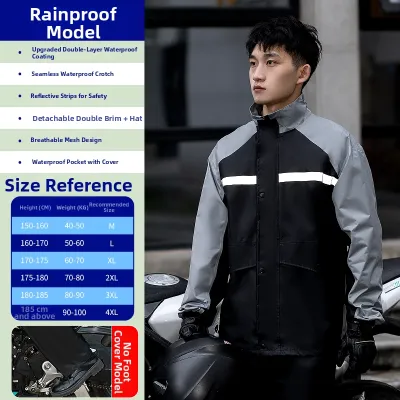
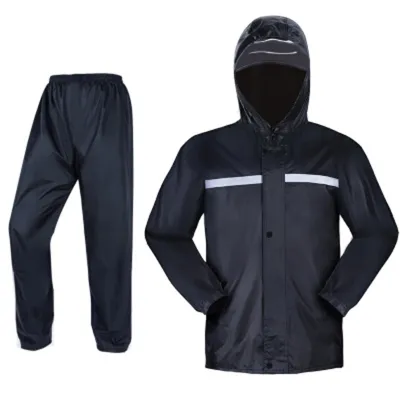
![[Kendo] Raincoat Hidden Boot Cover Raincoat Set Rain Coat Rainsuit Baju Hujan Motorcycle Bike Bicycle Outdoor Waterproof Rain Jacket Jaket Hujan](https://img.lazcdn.com/g/p/f5c76c2e724fa7deb8a63b30d16bc94a.jpg_400x400q80.jpg_.webp)
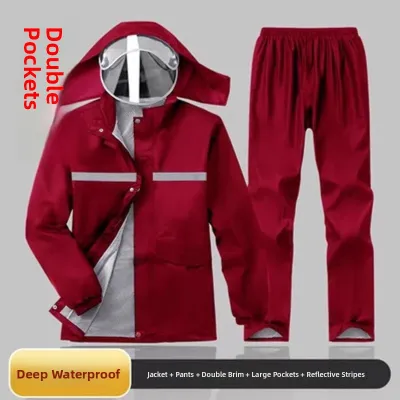
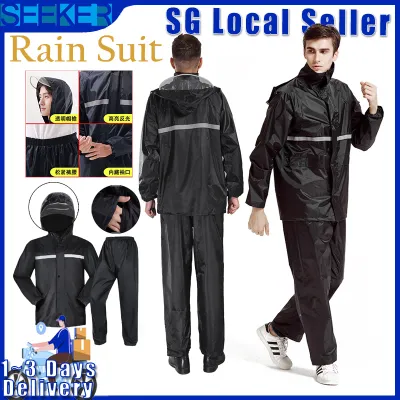
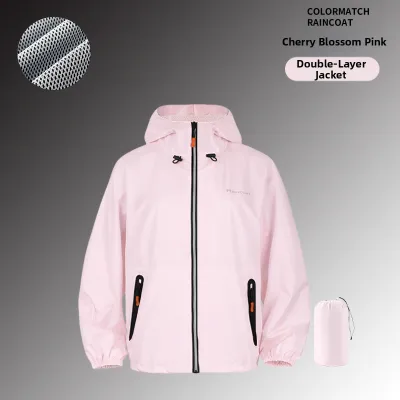
Prices are valid at publication and may change. Please refer to the product page for the latest price.
The standard industry metric for measuring this resistance is the hydrostatic head test, which is expressed in millimeters (mm). This rating represents the height of a water column that a fabric can support before water starts to seep through. For example, a fabric rated at 10,000 mm can withstand a 10-meter column of water pressure, making it a solid baseline for heavy rain.
While a 5,000 mm rating might be perfectly adequate for a pedestrian walking with an umbrella, it is often insufficient for a motorcyclist. When you ride, your forward momentum and the wind speed significantly increase the pressure at which raindrops strike your chest, shoulders, and thighs. Your riding posture also pools water in your lap, forcing moisture against the fabric and requiring a much more robust baseline rating to prevent leakage.
Balancing Waterproofing with Breathability in High Humidity
Staying dry is not just about keeping the rain out; it is also about letting your body heat and sweat escape. In Singapore’s warm, humid climate, wearing a completely non-breathable plastic or PVC suit quickly creates a “sauna effect” inside your gear. Within minutes of riding, you may find yourself just as wet from your own perspiration as you would have been from the rain.

To prevent this internal condensation, check the garment’s breathability rating, often measured as the Moisture Vapor Transmission Rate (MVTR) in grams per square meter per day (e.g., 5,000 g/m²/24h or higher). This rating indicates how much moisture vapor can pass through the fabric from the inside out. A higher MVTR means better airflow and less sweat buildup during warm-weather rides.
Because even the most advanced breathable membranes can struggle in extremely high humidity, mechanical ventilation is a crucial design feature. Look for raincoat sets that incorporate strategic vents, such as covered back flaps or underarm zippered openings. These vents allow hot air to escape using the airflow generated by your movement, without allowing wind-driven rain to enter the core waterproof zones.
Construction Details That Prevent Water Ingress
A high fabric rating is meaningless if water can easily find its way through the physical gaps in the garment. The most common failure points on any raincoat set are the seams where the fabric panels are stitched together. Every needle hole is a potential leak path under pressure, which is why you must verify that the set features fully taped or welded seams on the interior.
The front closure of the jacket is another critical area exposed directly to wind-driven rain. Look for heavy-duty, waterproof zippers that are protected by a double storm flap system. This design uses overlapping fabric secured by hook-and-loop fasteners or snap buttons to channel water away from the zipper track. A high, adjustable collar with a soft lining also helps prevent water from running down your neck from the bottom of your helmet.
Finally, pay close attention to the fit and adjustment points at the extremities. Adjustable cuffs and ankle straps allow you to seal the garment tightly over your gloves and riding boots, preventing water from wicking upward. Additionally, ensure the jacket has sufficient length to maintain a generous overlap with the pants while you are seated on your motorcycle, as a jacket that rides up will quickly expose your waist to the elements.
Verifying Specifications and Maintaining the Gear
When evaluating different options, it is important to critically read the manufacturer’s specification sheets rather than relying on vague marketing terms like “storm-proof” or “all-weather.” Look for clear, certified testing standards such as EN 343, which is a European standard for protective clothing against rain. Reliable brands will openly publish both their hydrostatic head and breathability ratings.
Most waterproof riding gear relies on a combination of an internal membrane and an outer Durable Water Repellent (DWR) chemical finish. The DWR treatment causes water to bead up and roll off the outer fabric, preventing the material from absorbing water. If the outer fabric becomes saturated—a condition known as “wetting out”—the breathability of the inner membrane drops to zero, even if no water actually leaks through to your skin.
To preserve the performance of your raincoat set, always follow the specific care label instructions provided by the manufacturer. Standard laundry detergents and fabric softeners can clog breathable membranes and strip away the DWR finish. Clean your gear using mild, technical fabric washes, and periodically apply an approved spray-on reproofing treatment to restore the water-beading performance of the outer shell.
Frequently Asked Questions (FAQ)
Does a higher waterproof rating always mean a better raincoat set?
Not necessarily, as focusing solely on an exceptionally high hydrostatic head rating can lead to diminishing returns if other design elements are neglected. A suit with a 20,000 mm rating will still let water in if the seams are untaped, the zippers are unprotected, or the fabric lacks breathability. Prioritize a balanced specification sheet that combines a reliable waterproof rating with high breathability and quality construction details over a single inflated marketing metric.
How can I test if my current raincoat set is still waterproof?
You can check the condition of your gear by performing a simple visual observation during a ride or under a gentle shower. If water beads up and rolls off the surface, the DWR coating and fabric are functioning correctly. If the fabric absorbs water, darkens, and feels heavy (wetting out), the outer barrier has failed. When this occurs, consult the manufacturer’s care label for approved methods to wash and reproof the garment rather than using unverified home remedies or harsh chemicals.
Community discussion
Share your experience or ask a question. Comments are reviewed before publication.