
When choosing a cycle raincoat to handle sudden tropical downpours or persistent wet weather, understanding the technical specifications on the label is the first step to staying dry. Manufacturers typically use two distinct measurement systems to rate the water resistance of their gear: hydrostatic head ratings measured in millimeters (mm) and Ingress Protection (IPX) codes. These ratings help you evaluate how much moisture a garment can withstand before water begins to seep through the material.
Understanding these standards allows you to select a jacket that matches your riding intensity and the local climate. Because these two systems rely on completely different testing methodologies, they cannot be directly converted into one another, making it essential to understand what each rating represents individually.
Understanding the Two Main Waterproof Standards
The two primary standards found on cycling rainwear serve different purposes and evaluate different aspects of water resistance. The hydrostatic head measurement, expressed in millimeters, focuses on the physical fabric’s ability to resist water penetration under pressure. In contrast, the IPX rating system is an international standard used to classify the degrees of protection provided against the intrusion of water into electrical enclosures or specific gear compartments.
Products mentioned in this guide
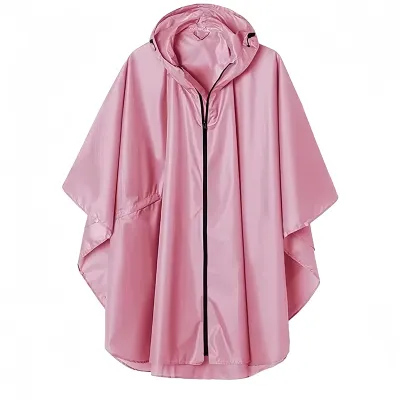
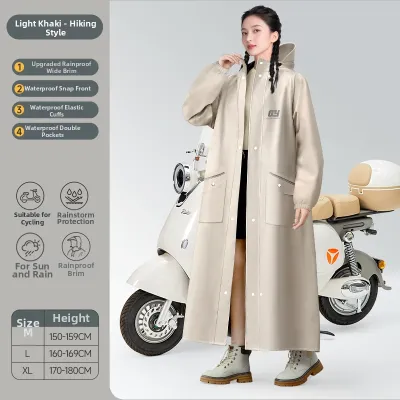

Prices are valid at publication and may change. Please refer to the product page for the latest price.
Because a cyclist moves through the air at speed, rain strikes the garment with more force than it would a stationary pedestrian. This dynamic pressure means that a simple water-resistant fabric may quickly fail during a fast descent or in high winds. By understanding both the hydrostatic head and IPX standards, you can better interpret manufacturer claims and choose gear designed for your specific riding conditions.
Millimeters (mm) and Hydrostatic Head Tests
The millimeter rating on a cycle raincoat refers to the hydrostatic head test, which measures the water pressure a fabric can withstand before moisture penetrates. During this test, a column of water is placed over a section of the fabric, and the height of the water column is increased until water starts to seep through. For example, a fabric rated at 10,000 mm can theoretically hold back a 10,000-millimeter-tall column of water before leaking.
A higher millimeter rating generally indicates that the fabric can withstand greater water pressure over a longer duration. When riding in heavy rain, the pressure from wind, your riding speed, and even the straps of a backpack can force water through less resistant fabrics. To ensure accuracy, always check the manufacturer’s documentation to see which specific international testing standard was applied to the garment.
IPX Ratings and Ingress Protection
The Ingress Protection (IP) rating system uses a standardized scale to define how well an item prevents water from entering. In an IPX rating, the “X” serves as a placeholder indicating that the garment or compartment has not been rated for dust protection, while the second digit represents the level of liquid ingress protection. These ratings range from IPX1, which protects against vertically falling drops, up to IPX8, which covers continuous immersion in water.
For cycling gear, IPX ratings are often applied to specific zones, pockets, or integrated electronic compartments rather than the entire fabric surface. A rating of IPX4 indicates protection against splashing water from any direction, while IPX6 protects against powerful water jets. It is important to note that while an IPX-rated compartment keeps water out, these tests do not measure fabric breathability, which is crucial for managing sweat during high-exertion rides.
How to Match Ratings to Your Riding Conditions
Selecting the right cycle raincoat requires balancing the local weather patterns with your riding style and physical exertion. In tropical climates like Singapore, where sudden, heavy downpours are common alongside high humidity, a jacket must offer robust water resistance without trapping body heat. If your rides consist of short commutes in light drizzle, a lower waterproof rating with high breathability may keep you more comfortable than a heavy-duty barrier.

For long-distance road cycling or high-speed riding in stormy conditions, the dynamic pressure of rain increases significantly. Wind resistance and riding speed push water against the fabric with greater force, requiring a higher hydrostatic head rating to prevent penetration. Additionally, if you ride with a backpack, the pressure of the shoulder straps can force water through the fabric, meaning you will need a more durable waterproof membrane in those high-pressure zones.
Your physical exertion level also dictates the type of protection you need. High-intensity training generates significant body heat and sweat, which can leave you just as wet from the inside if your jacket lacks adequate ventilation. When evaluating a jacket, consider how the waterproof rating aligns with the garment’s ventilation features, such as underarm zippers or mesh-lined vents, to ensure you stay dry from both rain and perspiration.
Beyond the Numbers: Features That Affect Real-World Protection
A high fabric rating on paper does not guarantee you will stay dry if the jacket’s physical construction is lacking. The most common point of failure in any cycle raincoat is the stitching, as sewing needles create thousands of tiny holes in the waterproof fabric. To prevent water from seeping through these entry points, high-quality jackets feature fully taped or sealed seams along every joint.
Zippers and closures are another critical area where water can easily penetrate during a ride. Look for jackets equipped with water-resistant zippers, often coated with a polyurethane film, or those that feature storm flaps that fold over the zipper track. Adjustable cuffs, high collars, and drawcord hems also play a vital role in sealing out wind-driven rain and preventing water from running down your neck or up your sleeves.
Even the most advanced waterproof membrane cannot perform effectively if the outer face fabric becomes saturated with water. This is why manufacturers apply a Durable Water Repellent (DWR) coating to the exterior of the jacket, causing water to bead up and roll off. When the DWR coating wears off, the fabric “wets out,” which severely restricts breathability and makes the jacket feel heavy and cold, even if the inner membrane remains intact.
Checking Labels and Manufacturer Specifications
To ensure you are getting the protection you expect, always verify the waterproof claims on the physical product tags or the manufacturer’s official website. Look for explicit mentions of recognized testing standards, such as ISO or ASTM protocols, rather than relying solely on vague marketing terms like “stormproof” or “water-resistant.” Reliable manufacturers will clearly state both the hydrostatic head rating and the breathability rating of the fabric.
Maintaining your cycle raincoat is essential for preserving its waterproof performance over time. Dirt, sweat, and friction can degrade the waterproof membrane and wear away the DWR coating on the outer fabric. Always consult the manufacturer’s care instructions before washing your jacket, as standard household detergents and fabric softeners can damage the technical coatings.
When the jacket begins to absorb water rather than letting it bead off, it is usually time to clean the garment and reapply a DWR treatment. Many manufacturers recommend using specialized technical washes designed for waterproof outerwear, followed by a spray-on or wash-in water repellent. Proper storage, such as hanging the jacket in a cool, dry place rather than leaving it crumpled in a gear bag, will also extend the lifespan of the waterproof barrier.
Frequently Asked Questions (FAQ)
Does a higher mm rating mean the jacket is completely waterproof?
A higher millimeter rating indicates that the fabric itself has a high resistance to water pressure, but it does not guarantee the entire jacket is completely waterproof. If the garment lacks taped seams, water-resistant zippers, or secure closures at the wrists and collar, water will still find its way inside during a ride. For complete protection, you must look for a jacket that combines a highly rated fabric with fully sealed construction.
Can I wash my cycling rain jacket without ruining its waterproof rating?
Yes, you can wash your cycling rain jacket, and doing so is actually necessary to maintain its performance, as dirt and body oils can clog the breathable membrane. However, you must strictly follow the care label instructions and avoid using standard laundry detergents, fabric softeners, or bleach, which can strip away the waterproof coatings. Using a specialized technical wash designed for synthetic outerwear will clean the fabric safely while preserving its water-repellent properties.
Community discussion
Share your experience or ask a question. Comments are reviewed before publication.