
Selecting the right motorbike raincoat or riding jacket requires balancing two distinct forms of protection: weatherproofing to keep you dry during sudden tropical downpours and impact protection to safeguard your body in the event of a slide or fall. While waterproof ratings (measured in millimetres) indicate how much water pressure a fabric can withstand before leaking, impact protection levels (such as CE certifications) verify the garment’s ability to absorb shock and resist abrasion. Understanding how these specifications translate to real-world riding conditions allows you to choose gear that keeps you safe, dry, and comfortable on the road.
Understanding Waterproof Ratings (mm) for Rain Gear
Waterproof ratings are determined using a hydrostatic head test, where a column of water is placed over the fabric to measure the height (in millimetres) at which water begins to penetrate the material. For instance, a rating of 10,000 mm means the fabric can withstand a 10,000-millimetre column of water before leaking. When riding a motorcycle, wind pressure and speed significantly increase the force of rain hitting your gear, meaning a standard raincoat that works for walking will quickly fail on a moving bike. For highway speeds or heavy monsoon downpours, riders typically look for higher ratings to ensure water does not force its way through the fabric.
However, the fabric’s rating is only one part of the waterproofing equation. Even the most water-resistant material will fail if water can seep through the construction points. When evaluating a motorbike raincoat, you must check for fully taped or sealed seams, waterproof zippers, and storm flaps that cover the main closures. These construction details prevent wind-driven rain from penetrating the stitching and zipper teeth, which are the most common failure points during a ride.
Products mentioned in this guide
![SG [IN STOCK] Motorcycle Raincoat PVC Night Reflect Hooded Outdoor Rainwear 100% Waterproof Riding Running Lightweight Raincoat](https://img.lazcdn.com/g/p/540af76e5d207e043930d6aa73ae8ccd.jpg_400x400q80.jpg_.webp)
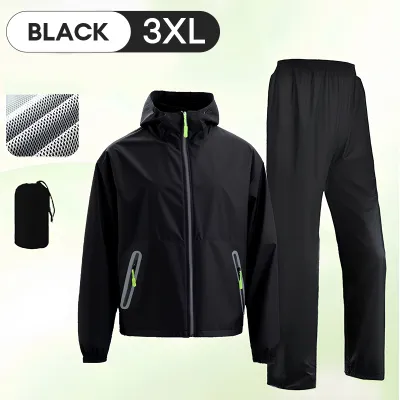
![Motorcycle Raincoat [Jacket & Pants] For Women Men High Quality Rain Coat Waterproof Rain Jacket Night Reflect Motorbike Bike Outdoor 雨衣](https://img.lazcdn.com/g/p/2d81d184a9cfa2e073c168fd7a7fe8ae.jpg_400x400q80.jpg_.webp)
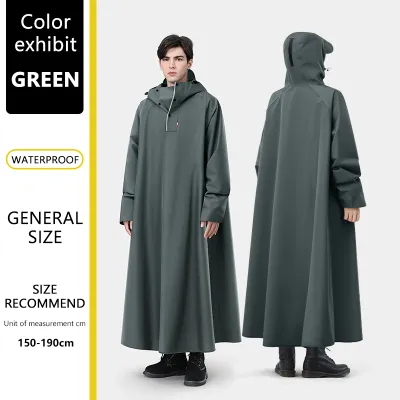
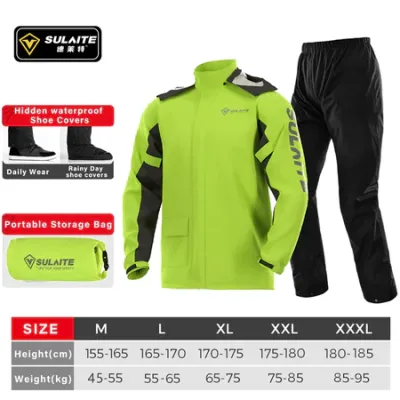
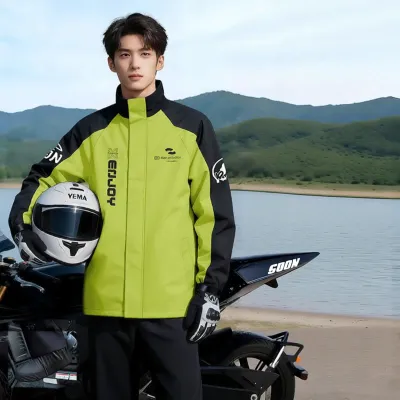
Prices are valid at publication and may change. Please refer to the product page for the latest price.
Another critical factor is the trade-off between waterproofing and breathability. Highly waterproof materials can trap body heat and sweat, leading to internal condensation that leaves you feeling wet from the inside, especially in warm, humid climates. To prevent this, look for gear that utilizes breathable membranes or features dedicated ventilation flaps. These design elements allow moisture vapor to escape while keeping external water out, ensuring you stay comfortable during long rides.
Evaluating Impact Protection Levels in Riding Jackets
While a simple motorbike raincoat protects you from the elements, it offers no protection against road rash or impact during an accident. For physical safety, riders rely on armoured riding jackets that carry certified impact protection. To verify the safety capabilities of a jacket, you should look for official CE (Conformité Européenne) certification marks on the garment’s label. These standards test the material’s abrasion resistance, tear strength, and seam durability under simulated crash conditions, categorizing the gear into different performance classes.

In addition to the overall garment certification, you must inspect the individual armour inserts placed at key impact zones, specifically the shoulders, elbows, and back. These protectors are rated as Level 1 or Level 2, with Level 2 offering higher shock absorption and lower transmitted force during an impact. When purchasing a jacket, verify that the armour is securely positioned in internal pockets and covers the joints properly without shifting during movement.
It is essential to distinguish between a dedicated motorbike raincoat and an armoured riding jacket. A standard motorcycle raincoat is typically a lightweight, non-armoured outer shell designed solely to shed water; it must be worn over your regular protective riding gear. Conversely, an armoured riding jacket with an integrated waterproof membrane combines both impact protection and weatherproofing in a single garment. Understanding this distinction ensures you do not mistakenly rely on a simple rain shell for crash protection.
Matching Gear Specifications to Your Riding Conditions
Selecting the right gear configuration depends heavily on your daily riding habits and local weather patterns. For short urban commutes in stop-and-go traffic, a lightweight, packable motorbike raincoat that you can quickly slip over your daily work attire or a light mesh jacket is often the most practical and cost-effective solution. This setup allows you to adapt quickly to sudden afternoon showers without overheating in slow-moving traffic.
For long-distance touring or high-speed highway riding, a dedicated waterproof armoured jacket or a heavy-duty two-piece rain suit is generally more suitable. High speeds generate intense wind pressure that can cause loose rain gear to flap violently, distracting the rider and accelerating wear on the fabric. A well-fitted, heavy-duty setup reduces wind resistance and ensures that water does not pool or seep in through gaps at the waist or collar over hours of continuous exposure.
Regardless of the style you choose, maintaining the gear’s protective qualities is vital for long-term performance. Most waterproof motorcycle gear relies on a Durable Water Repellent (DWR) chemical finish on the outer fabric to make water bead up and roll off. Over time, dirt, road grime, and friction can wear down this coating, causing the fabric to “wet out” and feel heavy. Always check the manufacturer’s care instructions for specific washing guidelines, and consider reapplying a compatible aftermarket DWR spray to restore the water-shedding performance when necessary.
Frequently Asked Questions (FAQ)
Does a higher waterproof rating always guarantee you will stay dry?
No, a high fabric rating does not guarantee complete dryness if the garment is poorly fitted or lacks proper construction. During a ride, your posture can create pools of water in the lap or folds of the jacket, and wind can force water up through the cuffs, collar, or hem. Additionally, if you do not close the storm flaps properly or if the zippers are not fully sealed, water will find a way inside. Ensuring a snug, adjustable fit at the wrists, neck, and waist is just as important as the fabric’s technical rating.
Is it safe to wear a standard non-motorcycle raincoat while riding?
Wearing a standard, non-motorcycle raincoat while riding is not recommended due to safety and durability risks. Standard raincoats lack the abrasion-resistant materials and impact armour necessary to protect you during a slide or fall. Furthermore, they are not designed to withstand highway-speed winds, which can cause the fabric to flap violently, balloon, or even tear apart. This flapping can distract you, obscure your vision, or catch on motorcycle parts, creating a significant safety hazard on the road.
Community discussion
Share your experience or ask a question. Comments are reviewed before publication.