
Waterproof ratings like 5K and 10K indicate how much water pressure a fabric can withstand in a laboratory before leaking. Specifically, a 5K rating means the material resists a 5,000 mm column of water, while a 10K rating resists 10,000 mm. For motorcycle riders, these static numbers serve as a helpful baseline, but they do not tell the whole story. Wind pressure, seam construction, and breathability ultimately determine whether a foldable rain jacket will keep you dry and comfortable during a ride.
Understanding Waterproof Ratings (5K vs. 10K) on Jacket Labels
The numbers printed on garment tags come from a standardized laboratory test known as the hydrostatic head test. During this test, a sealed tube is placed over the fabric and filled with water to measure the height at which the liquid begins to penetrate. A higher number indicates that the fabric can withstand greater water pressure under controlled, static conditions.
However, static laboratory tests do not replicate the harsh environment of motorcycle riding. When you travel at speed, the wind generates dynamic pressure that forces rain against your jacket with significant energy. This dynamic force can push water through a fabric that might easily pass a static 5K or even 10K laboratory test. Consequently, riders must view these ratings as relative indicators of fabric density rather than absolute guarantees of dryness.
Products mentioned in this guide
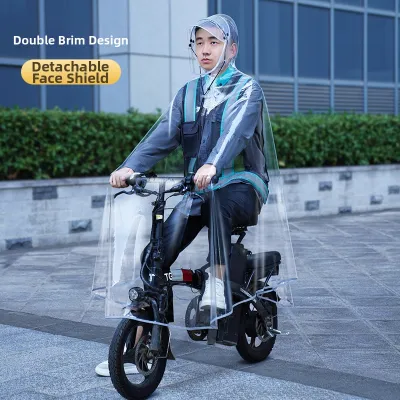
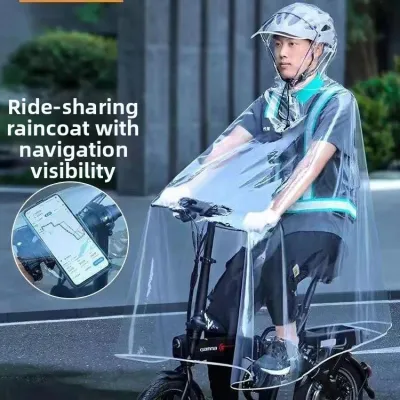
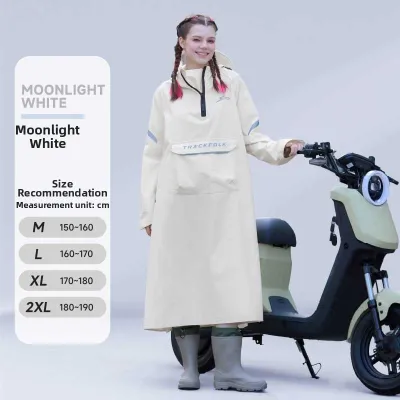
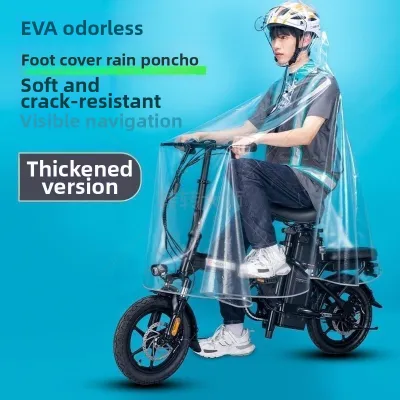
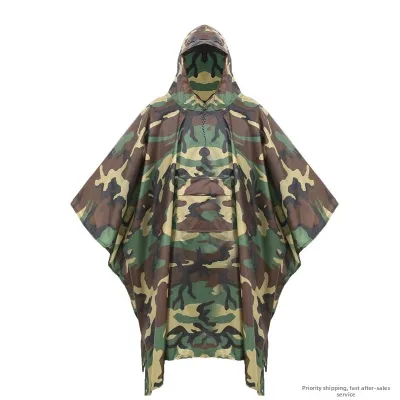
Prices are valid at publication and may change. Please refer to the product page for the latest price.
Why Breathability Ratings Matter for Motorcycle Riding
While keeping water out is crucial, letting moisture escape from the inside is equally important for rider comfort. Breathability is typically measured by the Moisture Vapor Transmission Rate (MVTR), which indicates how many grams of water vapor can pass through a square meter of fabric over 24 hours. Alternatively, some manufacturers use the Resistance to Evaporative Heat Transfer (RET) index, where lower values represent better breathability.

A strict physical trade-off exists between waterproof performance and breathability. To prevent liquid water from entering, the pores in a waterproof membrane must be incredibly small, yet they must remain large enough to allow microscopic sweat molecules to escape. If a foldable rain jacket lacks sufficient breathability, perspiration will quickly accumulate on the inside, leaving you damp and cold even if the outer shell successfully blocks the rain.
To complement the fabric’s membrane, high-quality jackets incorporate physical ventilation features. Look for designs that include covered back vents, underarm zippers, or mesh-lined openings. These mechanical vents allow air to circulate freely, helping to manage internal humidity during active rides without allowing rain to seep inside.
Critical Construction Features Beyond the Fabric Rating
Even the highest-rated waterproof fabric will fail if water can penetrate the needle holes created during the stitching process. Fully taped seams feature a specialized waterproof tape applied over every single interior stitch line to seal these vulnerabilities. Critically taped jackets, by contrast, only seal high-exposure areas like the shoulders and neck, leaving other seams susceptible to leaking under wind pressure.
Closures and entry points represent another common failure zone on foldable rain jackets. Reliable riding gear utilizes water-resistant zippers or wide storm flaps secured by hook-and-loop fasteners to shield the main front zipper and pockets. Without these physical barriers, wind-driven rain can easily force its way through the zipper teeth and soak your undergarments.
The outer surface of the jacket relies on a Durable Water Repellent (DWR) coating to make water bead up and roll off. If this coating wears off, the face fabric becomes saturated with water—a condition known as “wetting out.” While the inner membrane may still block water from reaching your skin, a saturated outer fabric completely blocks breathability, causing rapid condensation buildup inside the jacket.
How to Evaluate a Foldable Rain Jacket for Your Ride
Before purchasing a foldable rain jacket, carefully verify the manufacturer’s specifications, intended use statements, and care labels. Ensure the garment is designed to handle the physical demands of outdoor activities or riding, as lightweight fashion rainwear rarely features the reinforced construction needed to withstand wind shear.
Match the jacket’s rating and packability to your typical commute distance and expected weather exposure. For short, low-speed urban commutes in light rain, a highly packable 5K jacket may offer sufficient protection and fit easily into under-seat storage or a small backpack. For longer highway journeys where heavy downpours are common, prioritizing a 10K or higher rating with robust seam construction is a more reliable choice.
The very nature of a foldable rain jacket introduces wear and tear through repeated tight folding, rolling, and stuffing into compact storage bags. Over time, this mechanical stress can crease the waterproof membrane, degrade the DWR coating, and cause interior seam tapes to lift or crack. Regularly inspect the interior seams and follow the manufacturer’s care instructions to maintain the jacket’s protective qualities over multiple seasons.
Frequently Asked Questions (FAQ)
Can a 5K rated jacket handle heavy tropical downpours?
A 5K rated jacket is generally best suited for light to moderate rain and short exposures. In a heavy tropical downpour, the sheer volume of water combined with wind pressure will likely overwhelm a 5K fabric over time. To maximize protection in severe weather, check that the jacket features fully taped seams and a fresh DWR coating, and consider upgrading to a higher rating if you frequently ride in intense storms.
How does riding speed affect the waterproof performance?
Riding speed directly increases the dynamic pressure exerted by raindrops on the jacket’s surface. At higher speeds, the force of the impact can push water through the microscopic pores of a lower-rated fabric that would otherwise remain waterproof while standing still. If your commute involves sustained highway speeds, look for manufacturers that specify dynamic wind testing or opt for a higher waterproof rating to ensure reliable protection.
Community discussion
Share your experience or ask a question. Comments are reviewed before publication.