
When riding in unpredictable weather, finding the right raincoat motorcycle women can rely on involves balancing two critical elements: weather protection and crash safety. While a basic plastic coat keeps you dry during a light drizzle, it offers zero protection if you slide on wet asphalt. To ensure you stay both dry and safe, you should look for a waterproof rating of at least 10,000mm (ideally 20,000mm for heavy downpours), fully taped seams, CE-certified abrasion resistance (EN 17092 Class AA or A), and CE-certified impact armor (EN 1621-1 and EN 1621-2).
Understanding these ratings is essential for evaluating whether a garment can withstand the physical demands of riding. Standard outerwear is simply not built to handle the wind pressure and friction forces experienced during a motorcycle ride. By learning how to decode technical specifications, you can make an informed decision that protects you from both the elements and the road.
Rain Ponchos vs. Waterproof Riding Jackets: Selecting a Raincoat Motorcycle Women Can Trust for Safety
A traditional rain poncho or lightweight fashion raincoat primarily offers basic weather protection, but it lacks the structural integrity required for motorcycle safety. These garments are typically made from thin PVC or nylon sheets that easily tear upon contact with asphalt. Furthermore, loose-fitting ponchos tend to flap violently at highway speeds, which can distract you, destabilize your balance, or even get caught in the moving parts of your motorcycle.
Products mentioned in this guide
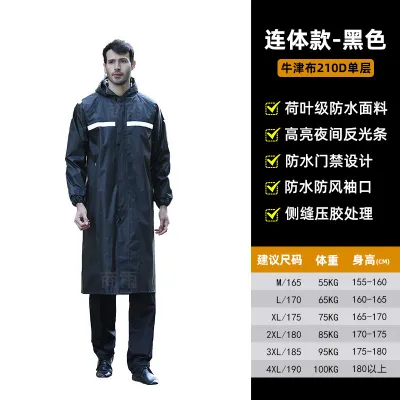
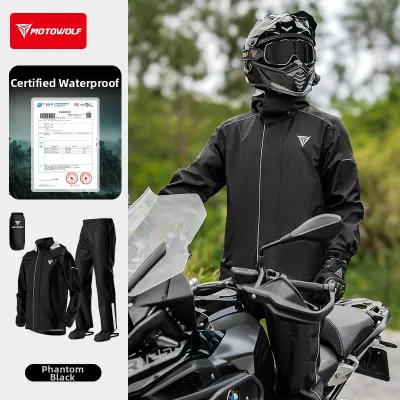
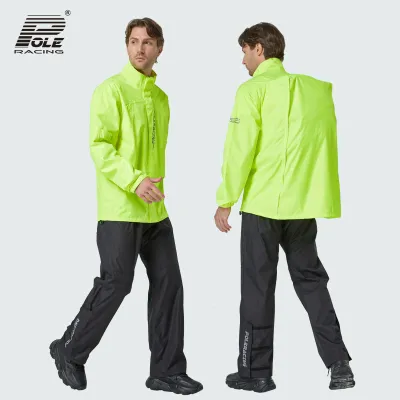
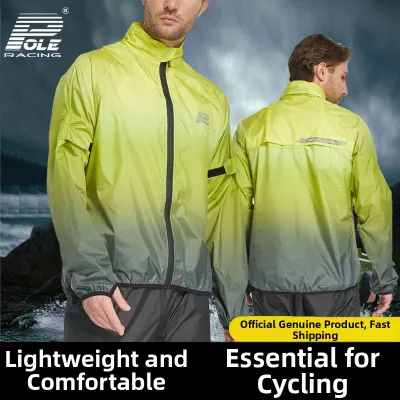
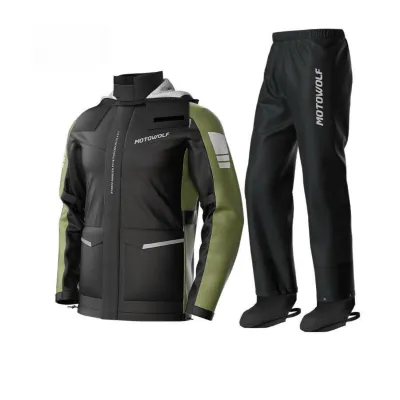
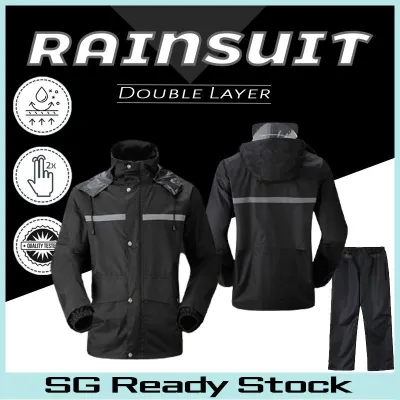
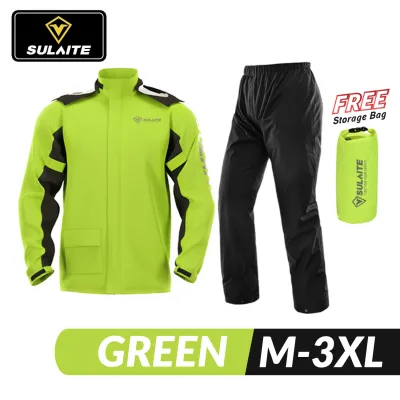
Prices are valid at publication and may change. Please refer to the product page for the latest price.
In contrast, a purpose-built waterproof riding jacket is a piece of protective motorcycle gear engineered to integrate both weatherproof membranes and impact/abrasion ratings. These jackets feature heavy-duty outer shells, reinforced stitching, and dedicated pockets for impact armor. They are designed to fit snugly against the body to prevent wind drag while ensuring that protective elements remain in place during an accident.
If you are looking for comprehensive safety on the road, you must look for garments that explicitly state both waterproof metrics and impact certifications. Relying on generic rainwear worn over regular clothing leaves you highly vulnerable to injury. Investing in a certified waterproof riding jacket ensures you do not have to compromise on safety when the weather takes a turn for the worse.
Decoding Waterproof and Breathability Specifications
When shopping for waterproof motorcycle gear, you will encounter technical specifications that describe how well the fabric resists water and allows moisture to escape. Understanding these numbers helps you choose a jacket that keeps you comfortable during long rides in challenging conditions.

Understanding Hydrostatic Head (Waterproofness)
Hydrostatic head is the standard measurement used to determine a fabric’s waterproofness, expressed in millimeters (e.g., 5,000mm to 20,000mm+). This rating indicates the height of a water column that the fabric can withstand before moisture begins to penetrate the fibers. A higher number represents a greater resistance to water penetration under pressure.
For motorcyclists, wind pressure and riding speed significantly increase the force with which rain strikes the garment. While a lower rating of 5,000mm might suffice for a light walking commute, it will quickly fail on a motorcycle. Sustained heavy tropical downpours and highway speeds require a minimum rating of 10,000mm, though 20,000mm or higher is highly recommended to prevent water from being forced through the fabric over time.
Breathability and Taped Seams
Breathability ratings (often measured in g/m²/24h) indicate how much moisture vapor can pass through a square meter of fabric over a 24-hour period. In humid climates, a completely waterproof but non-breathable jacket acts like a plastic bag, trapping sweat and body heat. This leads to severe discomfort, damp base layers, and a rapid chill when you finally stop riding.
However, even the most advanced breathable, waterproof fabric is useless if the garment’s construction is flawed. You must ensure the jacket features fully taped or welded seams, which seal the tiny needle holes created during stitching. Additionally, look for waterproof zippers or double storm flaps over the main zipper line to prevent wind-driven rain from leaking through the closures.
Understanding Impact and Abrasion Protection Standards (CE Ratings)
To ensure your jacket offers genuine protection during a fall, you must look for European CE (Conformité Européenne) ratings. These standards are recognized globally and provide objective proof of a garment’s protective capabilities.
Garment Abrasion Resistance (EN 17092)
The EN 17092 standard evaluates the entire garment for tear strength, seam strength, and abrasion resistance. Garments are classified into distinct categories based on their performance:
- Class AAA: Offers the highest level of protection, typically reserved for racing suits, but can be heavy and stiff for daily use.
- Class AA: Recommended for general road riding and touring, offering an optimal balance of high-level protection and daily comfort.
- Class A: Suitable for urban or low-speed riding, providing basic protection with lighter, more flexible materials.
- Class B: Provides abrasion protection equivalent to Class A but does not include impact protectors.
- Class C: Designed to hold impact protectors in place but offers minimal abrasion resistance on its own.
Always check the internal CE label sewn into the jacket to verify its class. Marketing terms like “heavy-duty,” “ballistic nylon,” or “military-grade” are unregulated and do not guarantee certified abrasion resistance.
Armor Impact Protection (EN 1621-1 and EN 1621-2)
While the outer shell protects your skin from road rash, internal armor inserts protect your bones and joints from impact forces. Look for jackets that feature armor certified under the following standards:
- EN 1621-1: Covers protectors for the shoulders, elbows, hips, and knees.
- EN 1621-2: Applies specifically to back protectors.
These protectors are rated as either Level 1 or Level 2. Level 2 armor transmits significantly less force to your body during an impact than Level 1, making it the preferred choice for highway riding and high-speed commutes. Before purchasing, verify whether the jacket includes these armor inserts by default or if you need to buy and install them separately in the built-in pockets.
Fit, Visibility, and Practical Safety Features
A protective jacket can only do its job if it fits correctly. A women-specific cut is not just about aesthetics; it ensures that the elbow and shoulder armor sits precisely over your joints. Adjustable fit systems on the waist, forearms, and bicep areas allow you to tighten the jacket, preventing the fabric from flapping in the wind and keeping the armor from shifting out of place during a slide.
Visibility is another critical safety factor when riding in the rain. Heavy downpours drastically reduce the visibility of other motorists. Look for jackets that incorporate high-visibility fluorescent colors and retroreflective piping or panels. These elements bounce light from car headlights back to the driver, making you significantly easier to spot in low-light and wet conditions.
Finally, pay attention to practical closures that seal out the elements. Adjustable hook-and-loop cuffs allow you to create a tight seal over or under your gloves, while a high, adjustable collar prevents water from running down your neck. These small details keep you dry and focused on the road, reducing rider fatigue.
Frequently Asked Questions (FAQ)
Can I wear a standard raincoat over my armored riding jacket?
Yes, wearing a high-quality, non-armored rain jacket or over-suit over a certified armored riding jacket is a common and effective practice. However, you must ensure that the outer rain layer is durable enough to withstand highway wind speeds without tearing or flapping excessively. Additionally, make sure the outer layer does not obscure the reflective elements or restrict your range of motion.
What is the minimum waterproof rating for heavy tropical downpours?
For riders facing sustained, heavy tropical downpours and high-speed wind pressure, a minimum waterproof rating of 10,000mm is necessary, though 20,000mm or higher is ideal. At highway speeds, the force of the rain can easily penetrate lower-rated fabrics. Ensure the garment also features fully taped seams and storm flaps to guarantee complete dry performance.
Community discussion
Share your experience or ask a question. Comments are reviewed before publication.