
Nissan’s proprietary continuously variable transmission (CVT) fluids, specifically the NS-2 and NS-3 specifications, are engineered to meet the precise hydraulic and frictional demands of different transmission generations. Unlike traditional automatic transmissions that rely on gears, a CVT uses a steel belt or chain wrapped around adjustable pulleys to deliver seamless ratio changes. Because this system relies entirely on metal-to-metal friction to transfer power without slipping, the fluid is a critical structural component of the transmission. Choosing the correct specification is not a matter of upgrading to a newer version; it is about matching the fluid’s chemical properties to the specific mechanical tolerances and hydraulic pressures of your vehicle’s transmission.
Understanding Nissan CVT Fluid Generations
The “NS” prefix stands for Nissan Standard, representing proprietary performance specifications established by the manufacturer to govern the operating characteristics of its CVT fluids. These standards are not generic viscosity ratings like engine oils, which are classified by broad industry bodies. Instead, they are highly specialized chemical formulations designed to work in tandem with specific generations of Jatco-manufactured CVT units used across the Nissan vehicle lineup.
The transition from NS-2 to NS-3 represents a significant evolution in transmission engineering rather than a simple product update. Earlier CVT designs, which utilized the NS-2 specification, operated under different hydraulic pressure ranges and featured distinct pulley and belt configurations. As vehicle manufacturers faced stricter fuel efficiency and emissions standards, transmission designs evolved to reduce internal parasitic drag.
Products mentioned in this guide
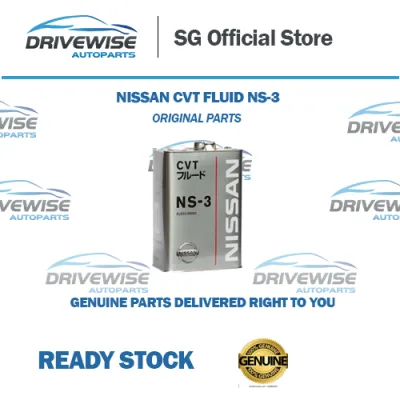
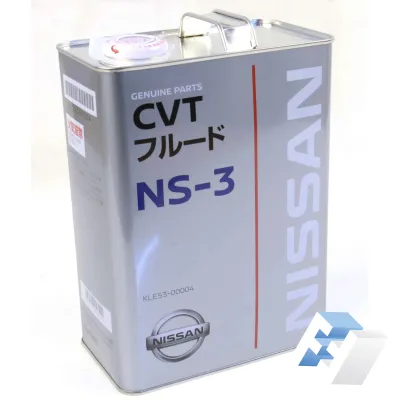
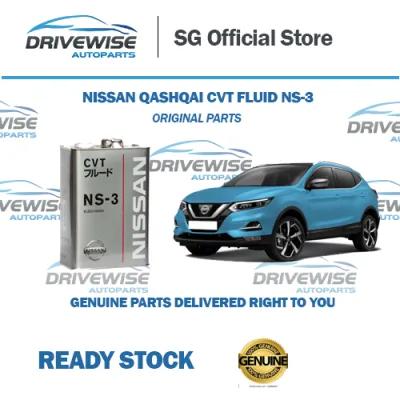
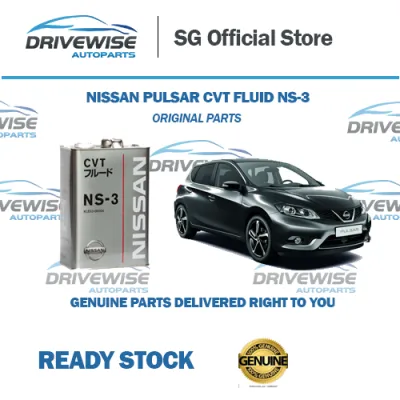
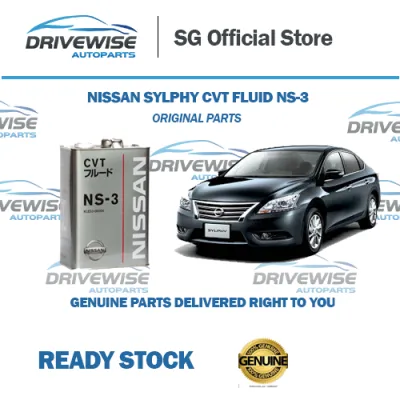
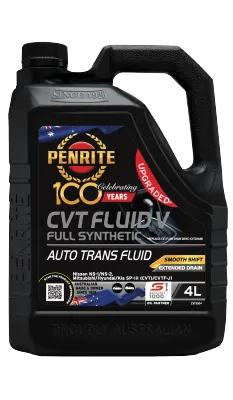
Prices are valid at publication and may change. Please refer to the product page for the latest price.
To achieve these efficiency gains, newer generations of Nissan CVTs were engineered with narrower pulleys, thinner steel belts or chains, and highly optimized hydraulic control systems. These mechanical changes required a fluid that could flow more easily at lower temperatures while still maintaining a robust protective film under extreme heat. Consequently, the NS-3 specification was introduced to accommodate these tighter tolerances, altered pulley ratios, and updated thermal management strategies.
Key Engineering Differences in Friction and Viscosity
The primary differences between NS-2 and NS-3 fluids lie in their viscosity profiles and friction modifier packages. In a CVT, the fluid must perform two seemingly contradictory tasks: it must lubricate bearings and spinning components to prevent wear, yet it must also provide enough traction between the smooth metal pulleys and the steel belt to prevent slippage. This balance is achieved through highly specialized friction modifiers that react under the immense pressure generated at the belt-pulley interface.

Viscosity, or the fluid’s resistance to flow, is significantly lower in NS-3 compared to NS-2. A lower-viscosity fluid reduces the energy required to pump the oil through the transmission’s hydraulic circuits, directly improving fuel economy. However, lowering the viscosity requires advanced synthetic base oils and additive chemistry to ensure the fluid does not thin out excessively under high operating temperatures, which could lead to metal-to-metal contact and catastrophic component failure.
Friction modifiers are also tailored specifically to the clamping forces of each transmission generation. The hydraulic pumps in newer CVTs operate at different pressure curves than older models. Because NS-3 is designed for systems with lower hydraulic clamping forces, its friction coefficient is calibrated differently to ensure the belt does not slip under load. Using a fluid with the wrong frictional characteristics can disrupt this delicate balance, leading to localized overheating and accelerated wear of the pulley faces.
How to Verify the Correct Specification for Your Vehicle
Determining whether your vehicle requires NS-2 or NS-3 fluid requires systematic verification rather than relying on general online forums or model-year assumptions. The most reliable source of truth is always the official owner’s manual or the manufacturer’s scheduled maintenance guide. These documents outline the exact fluid specification required for your specific engine and transmission pairing.
For physical verification under the hood, many vehicles feature a label on the transmission dipstick or the fluid fill cap indicating the factory-fill specification. However, some modern vehicles utilize sealed transmissions without a traditional dipstick, making physical inspection difficult. In these cases, you should locate the vehicle’s transmission code, which is typically printed on the manufacturing plate inside the driver’s door jamb or on the firewall.
If you encounter any ambiguity or if the original documentation is missing, the safest course of action is to contact an authorized dealer’s service department. By providing your Vehicle Identification Number (VIN), the dealer can access the manufacturer’s database to confirm the exact fluid specification and check for any updated service bulletins. This step is particularly important in regions with demanding driving conditions, such as the consistent stop-and-go traffic and high ambient temperatures experienced in urban environments like Singapore, where transmission health is highly sensitive to fluid quality.
Risks of Mixing or Using the Wrong CVT Fluid
Using the incorrect CVT fluid specification or mixing NS-2 and NS-3 can have severe mechanical consequences. Because the friction modifiers and viscosity curves of these fluids are fundamentally different, mixing them alters the chemical balance of the fluid charge. This alteration can cause the steel belt to slip against the pulleys, generating extreme localized heat that glazes the metal surfaces and permanently damages the transmission.
Furthermore, mismatched viscosity can disrupt the hydraulic control system. The transmission’s electronic control unit (ECU) regulates line pressure based on the expected flow characteristics of the specified fluid. If a higher-viscosity fluid like NS-2 is introduced into a system calibrated for NS-3, the hydraulic pump may work harder, leading to delayed shifting response, shuddering during acceleration, and increased thermal stress. Conversely, using a lower-viscosity fluid in an older system can result in inadequate pressure to clamp the belt securely.
To protect your vehicle’s drivetrain, avoid using generic “universal” CVT fluids unless the fluid manufacturer provides explicit, written validation for your specific transmission model code. Many universal fluids attempt to compromise between different manufacturer specifications, which can lead to suboptimal performance in highly sensitive systems like Nissan’s CVTs. If a fluid mix-up occurs, a complete transmission flush performed by a qualified professional is necessary to restore the correct operating environment.
Frequently Asked Questions (FAQ)
Can I use NS-3 fluid in a vehicle that originally specified NS-2?
While it is common in some automotive applications for newer fluid specifications to be backward compatible, this is not a universal rule for Nissan CVTs. The mechanical clamping forces and surface finishes of older transmissions were designed around the thicker viscosity and specific friction profile of NS-2. Substituting NS-3 without official authorization can lead to belt slippage and hydraulic pressure issues. Always check for official technical service bulletins (TSBs) or consult an authorized dealer before attempting to use NS-3 in an older transmission.
Is it safe to top up my CVT fluid with a different brand if it claims to meet Nissan standards?
Topping up your transmission with a different brand of fluid carries inherent risks unless the product is officially licensed or certified to meet the exact Nissan standard. Different fluid manufacturers use proprietary additive packages that may not be chemically compatible when mixed, potentially leading to additive dropout or altered friction characteristics. To maintain consistent performance and protect your transmission from premature wear, it is highly recommended to use the exact original equipment manufacturer (OEM) fluid specified for your vehicle for all top-ups and fluid exchanges.
Community discussion
Share your experience or ask a question. Comments are reviewed before publication.