
Selecting the correct dual-clutch transmission (DCT) fluid is one of the most critical maintenance decisions you can make for your vehicle. The specification codes on a DCT oil bottle represent a precise combination of viscosity grades, original equipment manufacturer (OEM) approvals, and friction modifier profiles designed to keep your transmission shifting smoothly. Reading these labels correctly ensures you do not accidentally introduce a fluid that could compromise clutch engagement or cause premature mechanical wear.
Because transmission fluid replacement requires working beneath the vehicle and handling sensitive hydraulic systems, always prioritize safety. Refer to your vehicle’s original workshop manual for exact torque specifications, fluid capacities, and filling procedures. If you are uncomfortable performing this service yourself, seek assistance from a qualified professional to ensure the work is completed safely and your vehicle remains road-legal.
Understanding Viscosity Grades on DCT Fluid Labels
Viscosity is a measure of a fluid’s resistance to flow, and it plays a dual role in dual-clutch transmissions. Unlike traditional automatic transmission fluids (ATF) or heavy manual gear oils, a DCT fluid must simultaneously lubricate high-load gear sets and flow rapidly through delicate hydraulic control valves. The viscosity grade listed on the label indicates how the fluid behaves under extreme operating temperatures, which is particularly important in hot, tropical climates and dense, stop-and-go urban traffic.
Products mentioned in this guide
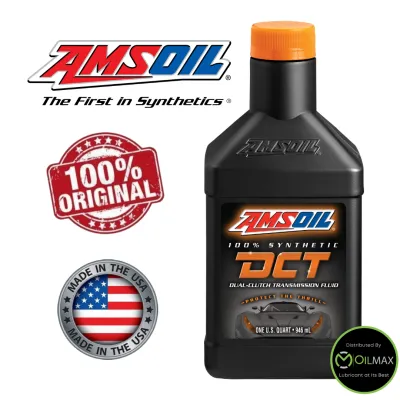
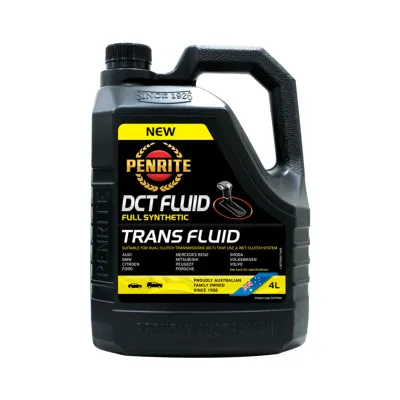
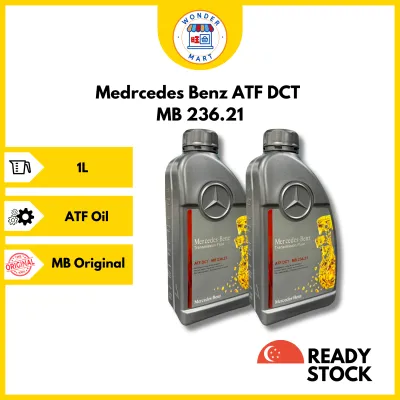
Prices are valid at publication and may change. Please refer to the product page for the latest price.
Choosing the right viscosity involves balancing clutch cooling and gear protection. Lower viscosity fluids flow more quickly, allowing them to carry heat away from wet clutch packs efficiently and improve overall fuel economy. However, if the viscosity is too low, the fluid film may fail to protect the gear teeth under heavy loads. Conversely, a fluid that is too thick can slow down hydraulic actuator response times, leading to sluggish gear changes and increased drag.
Because of these tight tolerances, you must strictly match the viscosity grade specified in your vehicle’s manual. Even minor deviations can alter the pressure dynamics within the mechatronic unit, resulting in harsh shifts, clutch slippage, or accelerated wear on the synchronizers. Never assume a fluid is compatible simply because it is labeled as high-performance; the physical flow characteristics must align with the transmission’s design.
Decoding OEM Approvals and Performance Standards
When reading a DCT oil label, you will often see a list of manufacturer-specific codes alongside industry standards. It is vital to distinguish between marketing claims and official certifications. Phrases like “recommended for use in” or “meets the requirements of” indicate that the fluid manufacturer has self-tested the product. In contrast, terms like “officially approved” or “licensed” mean the vehicle manufacturer has verified the fluid’s performance through rigorous testing.

OEM specification codes are typically alphanumeric sequences unique to each automotive group. For example, you might see codes representing specifications for Volkswagen (such as DSG-specific standards), Ford, or BMW dual-clutch systems. These codes are usually printed on the back label of the bottle. They indicate that the fluid has been formulated to match the exact metallurgy, seal materials, and operating pressures of those specific transmission families.
Cross-referencing these exact codes with your owner’s manual is the only reliable way to guarantee compatibility. Using a fluid that lacks the precise OEM approval code for your vehicle can lead to seal degradation, internal leaks, and the immediate voiding of any active vehicle warranties. Always treat the manufacturer’s specification code as the primary decision factor when purchasing fluid.
Identifying Friction Modifiers and Additive Packages
Dual-clutch transmissions rely on highly specialized additive packages to manage the friction characteristics of the clutches. The requirements differ fundamentally between wet and dry DCT systems. Wet DCTs feature clutch plates submerged in fluid, requiring precise friction modifiers to prevent clutch slip while ensuring smooth, shudder-free engagement. Dry DCTs keep the clutches separate from the oil, meaning the fluid primarily lubricates the gear shafts and operates the hydraulics.
Fluid labels often reference anti-shudder durability and thermal stability. These terms describe the fluid’s ability to maintain consistent friction levels over its entire service life, even when subjected to high thermal stress. High-quality additive packages prevent the fluid from breaking down into varnish or sludge, which can clog the small ports inside the mechatronic control unit and cause transmission failure.
Mixing different additive packages is highly risky. Even if two fluids claim to be compatible with the same vehicle, their chemical compositions may differ. Mixing them can disrupt the delicate balance of friction modifiers, leading to clutch shudder, erratic shifting, or mechatronic malfunctions. To protect your transmission, avoid mixing brands or formulations during top-ups.
How to Verify the Right DCT Oil for Your Specific Vehicle
To ensure you purchase the correct fluid and avoid costly transmission damage, follow this systematic verification process before opening any bottle:
- Locate the OEM Specification: Open your vehicle's owner's manual or consult an official manufacturer database to find the exact DCT fluid specification code or part number required for your specific model and year.
- Cross-Check the Bottle Label: Inspect the physical label on the DCT oil bottle. Look for an exact alphanumeric match under the approved specifications list, prioritizing official OEM approvals over generic compatibility claims.
- Verify Packaging and Freshness: Check that the bottle's safety seal is intact and inspect the manufacturing date. Avoid using fluid that has been stored in unsealed containers or has exceeded its recommended shelf life, as moisture contamination can ruin DCT fluid.
- Consult a Professional When in Doubt: If your manual is missing, the specifications on the bottle are ambiguous, or your vehicle has aftermarket transmission modifications, stop immediately. Consult an authorized dealer or a qualified transmission specialist before pouring any fluid into the system.
Frequently Asked Questions (FAQ)
Can I use regular ATF or manual transmission fluid in a DCT?
No. Standard automatic transmission fluids (ATF) and manual gear oils are formulated for entirely different friction levels, gear loads, and hydraulic pressures. Using them in a dual-clutch transmission will lead to severe clutch slippage, mechatronic errors, and rapid mechanical wear, often resulting in complete transmission failure.
What happens if I mix two different DCT oil brands with the same specification?
Even if two brands share the same OEM specification code, they may use different chemical additive packages that do not mix well. Mixing them can alter the fluid’s friction properties and reduce its service life. If you are switching brands, it is always safest to perform a complete transmission fluid flush rather than a partial top-up.
Community discussion
Share your experience or ask a question. Comments are reviewed before publication.