
The specification labels on continuously variable transmission (CVT) fluid are not generic marketing terms; they define the exact hydraulic and friction characteristics required by your vehicle’s specific transmission architecture. Using a fluid that mismatches these parameters can lead to belt slippage, overheating, or catastrophic mechanical failure. Understanding how to decode these specifications is essential for protecting your transmission and ensuring smooth operation.
Understanding Viscosity Grades in CVT Fluids
Viscosity represents a fluid’s resistance to flow, which directly impacts how a CVT operates under different thermal conditions. In a CVT, the fluid serves as a hydraulic medium to actuate the pulleys, a lubricant for moving parts, and a coolant. At cold starts, the fluid must flow quickly to establish hydraulic pressure and protect internal components from immediate wear. In tropical climates like Singapore, where ambient temperatures remain high year-round, the fluid must also resist thinning during prolonged stop-and-go traffic.
As the transmission reaches operating temperature, the fluid must maintain a stable oil film. If the viscosity drops too low under high heat, the protective barrier between metal surfaces can break down, leading to accelerated wear. Conversely, if the fluid is too thick, hydraulic response times may slow down, reducing transmission efficiency and causing sluggish ratio changes. The hydraulic control system relies on precise fluid thickness to modulate the pulleys accurately.
Products mentioned in this guide
![Honda HCF-2 Hcf2 4L CVT Transmission Oil Fluid [Authentic] Made in Japan](https://img.lazcdn.com/g/p/6c4125c8419182eea55e52c3c19fca52.jpg_400x400q80.jpg_.webp)
![[JWEAUTO] Honda HCF-2 CVT Continuously Variable Transmission Fluid HCF-2](https://img.lazcdn.com/g/p/8fdfaa2d16b69918ecf7b98c3d4c3771.jpg_400x400q80.jpg_.webp)
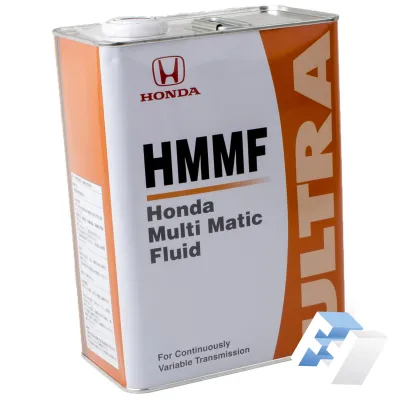
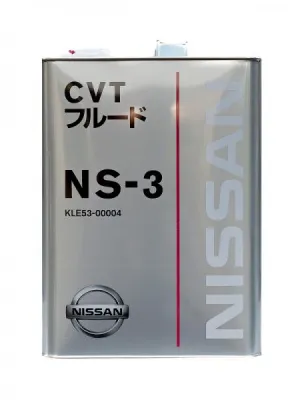
Prices are valid at publication and may change. Please refer to the product page for the latest price.
CVT fluids cannot be evaluated using the same viscosity benchmarks as conventional automatic transmission fluids (ATF). Conventional ATFs are designed for gear-based systems with torque converters and planetary gear sets, which have different hydraulic pressure and shear requirements. A viscosity grade that works perfectly in a traditional stepped automatic can fail to provide the necessary pressure regulation in a CVT, leading to erratic pulley movement.
To ensure proper operation, you must follow the specific viscosity requirements listed in your vehicle owner’s manual. Do not assume that a higher viscosity number indicates better protection or that a lower number offers superior efficiency. Each CVT is engineered around a specific viscosity profile, and deviating from it can disrupt the precise hydraulic balance required to shift the pulleys. Changing the viscosity outside of manufacturer recommendations can also trigger diagnostic trouble codes in the transmission control module.
The Role of Friction Modifiers and Additives
Unlike traditional automatic transmissions that rely on fluid clutches, a CVT transfers torque through friction between a metal belt or chain and two smooth metal pulleys. This mechanism requires a highly specific friction coefficient. The fluid must provide enough friction to prevent the belt from slipping under heavy loads, while simultaneously lubricating the contact points to prevent metal-on-metal wear. This dual requirement is unique to CVT engineering.

Friction modifiers are specialized chemical additives that establish this delicate balance. They are formulated to behave differently under varying pressures and shear rates. Because different manufacturers use distinct materials and designs—such as push-belts or pull-chains—the required friction profile varies significantly from one transmission architecture to another. A fluid designed for a chain-driven CVT may not provide the correct friction characteristics for a belt-driven system.
Using a fluid with the wrong friction modifiers can lead to immediate mechanical issues. If the friction coefficient is too low, the belt or chain will slip against the pulleys, causing severe scoring and eventual transmission failure. If the friction is too high, it can cause excessive heat buildup, fluid oxidation, and premature wear of the internal components. This balance is highly sensitive to chemical composition.
Mixing different fluid formulations or adding aftermarket “universal” additives can alter these carefully engineered friction characteristics. These additives can destabilize the fluid’s chemistry, leading to unpredictable friction behavior and accelerated degradation. Always use a fully formulated fluid that meets the exact specifications required for your transmission rather than attempting to modify a generic fluid with retail additives.
Deciphering OEM Approval Codes and Standards
Original Equipment Manufacturer (OEM) approval codes are the definitive standard for matching a fluid to a specific transmission design. These codes, such as Nissan NS-3, Toyota FE, or Honda HCF-2, indicate that the fluid has been formulated to meet the precise physical and chemical requirements of that specific transmission generation. These standards are updated as transmission designs evolve to handle higher torque or improve fuel economy.
It is critical to understand the technical and legal distinction between label claims. A bottle that states it is “suitable for” or “recommended for” a certain specification has been tested by the fluid manufacturer, but it may not carry official approval from the vehicle manufacturer. An “approved” or “certified” fluid has undergone rigorous testing to verify it meets the exact performance standards set by the OEM, often backed by official licensing.
To verify compatibility, locate the required fluid specification code in your vehicle owner’s manual. Next, examine the back label of the CVT fluid bottle. Look for a section dedicated to OEM specifications and cross-reference the exact alphanumeric code. The codes must match exactly; even a single digit or letter difference can indicate a completely different fluid formulation that is incompatible with your system.
Because transmission designs evolve, manufacturers frequently update their fluid specifications. A newer specification is not always backward-compatible with older transmissions, and older fluids should never be used in systems requiring newer specifications. Always verify the exact code recommended for your specific model year, as using an incorrect generation of fluid can lead to shifting issues or internal slippage.
How to Verify Compatibility Before Purchasing
Before purchasing any CVT transmission oil, establish a systematic verification process to avoid costly compatibility errors. Start by consulting your vehicle owner’s manual to identify the exact OEM specification code and viscosity grade required. If you do not have the physical manual, authorized manufacturer databases or local dealership service departments can provide this information based on your Vehicle Identification Number (VIN).
Next, inspect the product label of the fluid you intend to purchase. Do not rely solely on broad marketing claims on the front of the bottle, such as “multi-vehicle CVT fluid.” Instead, turn the bottle over and read the detailed compatibility list to ensure your vehicle’s specific OEM code is explicitly listed as an approved or matching specification. Multi-vehicle fluids may cover a wide range, but they must explicitly list your required standard.
Additionally, confirm your vehicle’s specific transmission model. Some vehicle models use different transmission designs depending on the engine option or production year. Knowing the exact transmission model helps you double-check compatibility when using manufacturer application guides, ensuring the fluid is safe for your specific configuration.
If you encounter conflicting information, ambiguous label claims, or if the manual is missing, stop and consult an authorized dealer or a qualified automotive technician. Performing a transmission fluid service requires precision, and using the wrong fluid can void your warranty and lead to expensive repairs. For safety and optimal performance, always follow the original-vehicle instructions and consider professional installation if you lack the specialized tools required for a complete fluid exchange.
Frequently Asked Questions (FAQ)
Can I use standard automatic transmission fluid (ATF) in a CVT?
No, standard automatic transmission fluid (ATF) must never be used in a continuously variable transmission. Gear-based automatic transmissions and CVTs operate on entirely different mechanical principles. Standard ATF is formulated for planetary gear systems and wet clutch packs, lacking the specific friction modifiers and high shear stability required to prevent a CVT’s metal belt or chain from slipping on its pulleys. Using standard ATF in a CVT will likely cause immediate belt slippage, severe internal wear, and catastrophic transmission failure.
What happens if I use the wrong CVT fluid specification?
Using the wrong CVT fluid specification can lead to immediate performance issues and long-term mechanical damage. Early warning signs include transmission shuddering, delayed acceleration, whining noises, or dashboard overheating warnings. Over time, incorrect friction coefficients will cause the steel belt or chain to slip, leading to pulley scoring and metal debris throughout the system. If you suspect the wrong fluid has been added, do not drive the vehicle; have it towed to a professional facility for a complete system flush and refill with the correct fluid.
Community discussion
Share your experience or ask a question. Comments are reviewed before publication.