
When riding in wet weather, staying dry is only half the battle. A standard rain jacket might keep the water out, but it offers zero protection if you slide or impact the tarmac. For motorcyclists, a proper waterproof riding jacket must balance weather protection with certified impact and abrasion resistance. Understanding European Conformity (CE) safety ratings is essential to ensure your gear actually protects you in a fall, rather than just acting as a thin plastic barrier against the rain.
Rain Over-Suits vs. Waterproof Riding Jackets: Where CE Ratings Apply
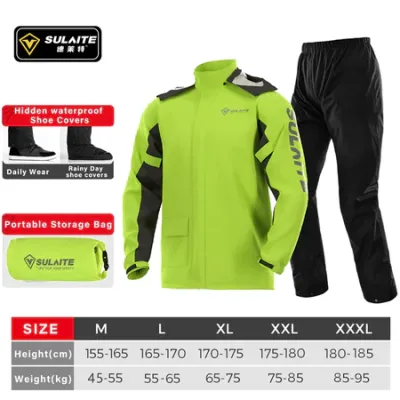
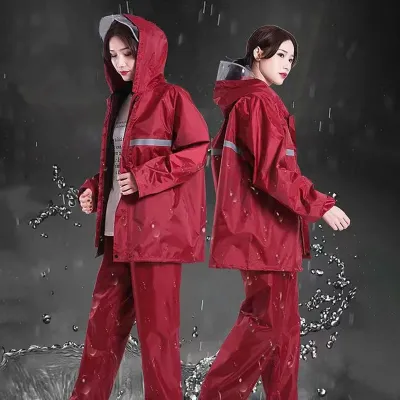
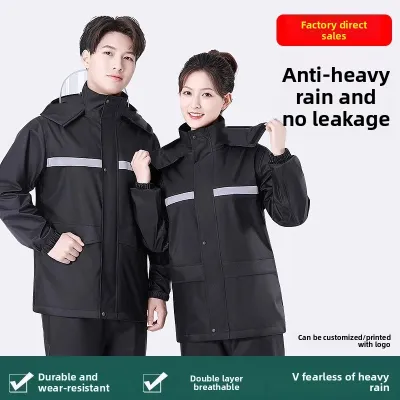
A simple rain poncho, nylon over-suit, or generic outdoor rain jacket is designed solely for weather protection. These garments lack the structural integrity, reinforced stitching, and armor pockets required for motorcycle riding. If you slide down the road, thin nylon or PVC will melt or tear instantly under friction.
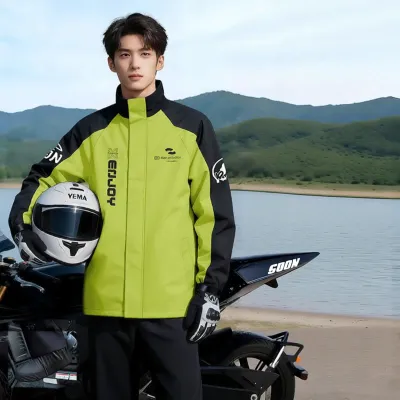
In contrast, a true waterproof motorcycle riding jacket is built with heavy-duty, abrasion-resistant textiles and features integrated armor pockets at key impact zones. CE safety certifications apply strictly to these protective riding garments, evaluating the entire construction—including the seams, fabric strength, and impact protectors.
Products mentioned in this guide
![[Ready Stock] Waterproof Rain Coats Oxford Cloth Raincoat Motorcycle Rain Coat Jacket Men Raincoats Windproof Reflective Strip Elastic Waistband Suit Impermeable Rain Jackets Suit Baju Hujan](https://img.lazcdn.com/g/p/d0538d9c2c04e137b5ee85f105977ae5.jpg_400x400q80.jpg_.webp)
![{SG} [Top Jacket+Pant] Unisex Motorcycle Raincoat Rain Suit Rain Coat Motorcycle Rain Coat Lightweight Waterproof](https://img.lazcdn.com/g/p/f24a40eeabc823be29d7dee0d868989b.jpg_400x400q80.jpg_.webp)
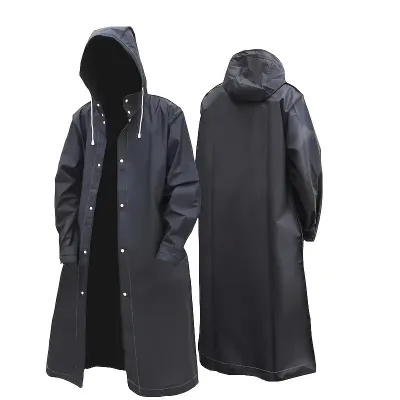
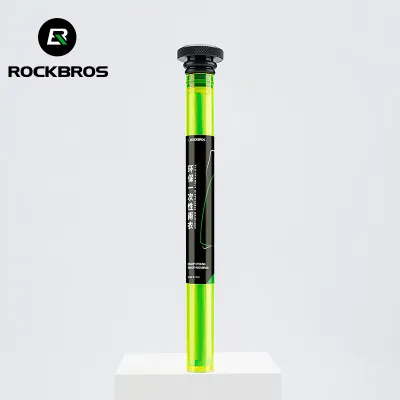
Prices are valid at publication and may change. Please refer to the product page for the latest price.
Before purchasing, riders should check the product specifications, labels, and internal tags. Look for dedicated armor pockets at the shoulders and elbows, and verify that the outer shell itself is rated for motorcycle use, rather than assuming a waterproof label implies physical protection.
Decoding Garment Abrasion and Tear Ratings (EN 17092)
The European standard EN 17092 is the benchmark for testing the abrasion, tear, and seam strength of motorcycle garments. This standard classifies jackets into five distinct protective classes, allowing riders to choose the right level of safety for their riding style.

Class AAA represents the highest level of protection, typically found in heavy leather race suits or highly reinforced textile touring jackets. While offering maximum abrasion resistance, Class AAA garments can be heavy, stiff, and less breathable in hot, humid climates. Class AA is the standard for medium-to-long-distance touring, balancing high protection with daily comfort. Class A is designed for lower-speed urban riding, offering a lighter, more flexible fit that is highly suited for city commuting. Class B provides abrasion protection similar to Class A but does not include impact armor, while Class C garments are lightweight mesh impact-protector holders designed to be worn under other clothing.
To verify these ratings, locate the official CE label stitched inside the jacket. This label features a motorcycle rider pictogram alongside the standard number (EN 17092) and the specific class letter. The testing process divides the jacket into different risk zones, ensuring that high-impact areas like the elbows and shoulders have superior reinforcement compared to low-risk zones. Remember that this rating measures mechanical durability during a slide, completely independent of any waterproof membranes or weather-resistant coatings.
Evaluating Impact Armor Standards (EN 1621-1 and EN 1621-2)
While the jacket’s outer shell protects against abrasion, internal armor absorbs the energy of an impact. These protectors are certified under separate standards: EN 1621-1 for limbs (shoulders and elbows) and EN 1621-2 for back protectors.
Within these standards, armor is rated as either Level 1 or Level 2 based on how much force it transmits to the body during testing. Level 1 protectors offer standard protection, transmitting a maximum of 35 kN of force for limbs. Level 2 protectors are thicker and more advanced, transmitting a maximum of 20 kN of force for limbs, meaning they absorb significantly more impact energy. For maximum safety, especially on wet, slippery roads where high-side crashes are a risk, Level 2 armor is highly recommended.
When inspecting a waterproof motorcycle jacket, do not assume it comes fully equipped. Many manufacturers include certified Level 1 or Level 2 armor in the shoulders and elbows but only provide a thin foam pad or an empty pocket in the back. Always check the product specifications to see if a certified EN 1621-2 back protector is included, or if you will need to purchase a compatible aftermarket insert separately to complete your protective setup.
Verifying Labels, Fit, and Weather Sealing
To ensure you are getting genuine protection, physically inspect the jacket’s internal tags for the official CE marking, the specific standard numbers, and the details of the notified body that certified the garment. Be cautious of vague marketing terms like “CE-approved materials” or “designed to CE standards,” which often indicate the garment itself has not undergone official testing.
The fit of the jacket is just as critical as its safety ratings. A jacket that is too loose will allow the shoulder and elbow armor to shift out of place during a slide, leaving your joints completely unprotected. Ensure the jacket fits snugly, with adjustable straps on the arms and waist to keep the armor firmly secured against your body.
Finally, evaluate the weather-sealing features. While CE ratings guarantee mechanical safety, they do not test waterproof performance. Look for jackets with fully taped seams, waterproof zippers with storm flaps, and adjustable collar and wrist closures to prevent water from seeping in at high speeds. A high-quality waterproof membrane, such as a laminated outer shell or a removable inner liner, will keep you dry while the certified construction keeps you safe.
Frequently Asked Questions (FAQ)
Can I wear a CE-rated jacket over a standard rain jacket?
It is generally safer to wear a loose waterproof over-jacket over your CE-rated protective jacket rather than underneath it, provided the outer layer does not restrict your movement. However, you should never wear a bulky, unstructured rain jacket underneath your protective gear, as this can prevent the armor from sitting snugly against your joints, causing it to shift during an impact.
Do CE ratings guarantee the jacket will keep me completely dry?
No, CE ratings only certify mechanical safety, such as abrasion resistance, tear strength, and impact absorption. They do not test or guarantee waterproof performance. To ensure you stay dry, you must check the manufacturer’s specifications for waterproof membranes, hydrostatic head ratings, and construction details like taped seams and storm flaps.
Is a Class A jacket sufficient for urban commuting?
Yes, a Class A certified jacket is typically sufficient for low-speed urban commuting and city riding. It offers a lighter, more flexible construction that is comfortable in warm, humid weather. However, if your commute involves high-speed expressways or highways, upgrading to a Class AA jacket provides significantly better abrasion protection for those higher-speed environments.
Community discussion
Share your experience or ask a question. Comments are reviewed before publication.