
The numbers printed on a bottle of car engine oil, such as 5W-30 or 10W-40, represent its viscosity grade, which measures how easily the oil flows at specific temperatures. Viscosity is essentially the thickness of the fluid, and choosing the correct grade is vital for protecting your engine from friction, heat, and wear. These alphanumeric codes are established by the Society of Automotive Engineers (SAE) to help vehicle owners identify the exact flow characteristics their engines require under different operating conditions.
Understanding the SAE Viscosity Grade Format
The Society of Automotive Engineers (SAE) developed a standardized grading system to classify car engine oil based on flow behavior. When you look at a multi-grade oil label like 5W-30, you are seeing two distinct ratings combined into one bottle. This dual rating indicates the oil performs reliably across a wide temperature spectrum to protect the engine during startup and at high operating temperatures.
The letter “W” stands for Winter, not weight. The number preceding the “W” indicates cold-temperature flow capability; lower numbers flow more easily. For example, a 0W or 5W oil flows much faster upon startup than a 10W or 15W oil, reducing the time engine components run without adequate lubrication.
Products mentioned in this guide
![[Local Stock] Shell Helix Ultra 0W-40 Fully Synthetic Engine Oil 4L High Performance Car Lubricant](https://img.lazcdn.com/g/p/72f5238b6bb48ac7acf748737e951a88.jpg_400x400q80.jpg_.webp)
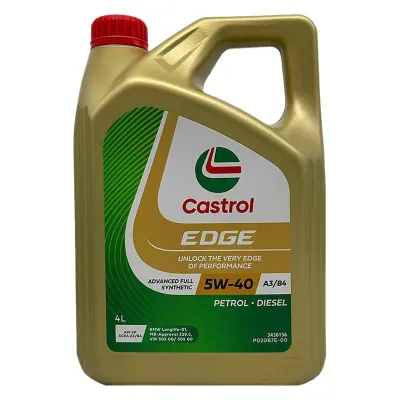
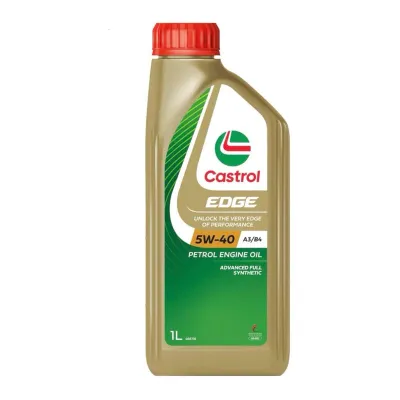
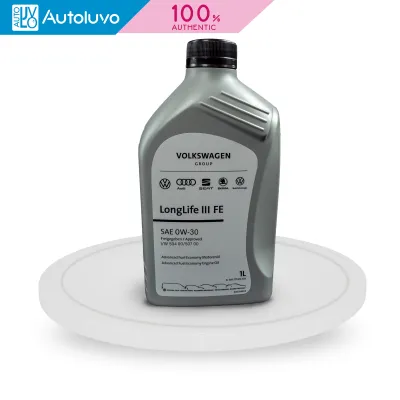
Prices are valid at publication and may change. Please refer to the product page for the latest price.
The second number represents resistance to thinning at normal engine operating temperatures, typically measured at 100 degrees Celsius. A higher second number, like 40, indicates a thicker oil that maintains a robust protective film under extreme heat. A lower number, like 20, indicates a thinner oil designed for modern engines with tight internal clearances.
How Viscosity Affects Engine Protection and Efficiency
Engine protection relies on a balance of oil flow and film strength. During a cold start, the oil must travel quickly from the oil pan to the top of the engine. Rapid flow is crucial because most engine wear occurs during these initial seconds before oil pressure fully coats moving parts like camshafts and pistons.

Once the engine reaches operating temperature, the oil must withstand intense heat and mechanical shearing. High-temperature stability ensures the oil film does not break down or become too thin. If the oil thins excessively under load, critical components can rub against each other, leading to accelerated wear and potential damage.
Modern automotive engineering increasingly favors lower viscosity oils, such as 0W-20, to improve fuel economy. Thinner oils reduce internal drag within the engine, meaning moving parts require less energy to operate. However, these ultra-low viscosity oils are only safe for engines specifically designed with tight tolerances to support them.
There is a persistent myth that a higher second number is universally better because it offers more protection. In reality, using an oil thicker than recommended can restrict flow through narrow passages, increase internal friction, and raise operating temperatures. The ideal viscosity is the one that matches your engine’s design.
Matching Oil Viscosity to Your Vehicle's Requirements
To select the correct car engine oil, always consult the vehicle owner’s manual or the oil filler cap. Manufacturers test engines extensively to determine the exact viscosity range that balances wear protection, fuel efficiency, and component longevity. Deviating from these recommendations can lead to mechanical issues and may void your warranty.
Viscosity is only one part of the oil selection process. Modern engines often require specific performance standards or original equipment manufacturer (OEM) approvals, such as API or ACEA specifications. These standards dictate the chemical additive packages required to protect emissions systems and turbochargers, meaning two oils with the same viscosity may not be interchangeable.
Using an incorrect viscosity grade can trigger modern engine management systems to behave unpredictably. Engines equipped with variable valve timing (VVT) rely on precise oil pressure to adjust camshaft positions; incorrect viscosity can delay these adjustments and trigger check engine lights. In tropical climates like Singapore, you must still adhere to the manufacturer’s specified viscosity range.
If you cannot locate your owner’s manual or if your vehicle operates under severe conditions, consult a qualified mechanic or an authorized dealership. They can verify the correct specifications based on your vehicle’s model, year, and engine code, ensuring you do not introduce a fluid that compromises engine health.
Single-Grade vs. Multi-Grade Engine Oils
Historically, motorists used single-grade oils formulated to operate within a narrow temperature range. A single-grade oil, such as an SAE 30, does not use viscosity modifiers. Consequently, an oil thick enough to protect an engine at operating temperature would become extremely thick and difficult to pump in cold weather.
Modern passenger vehicles rely almost exclusively on multi-grade oils. These oils are formulated with polymer additives known as viscosity index improvers. These polymers expand as temperature rises, preventing the oil from thinning out too rapidly, and contract as temperature drops, allowing the oil to remain fluid in cold conditions.
While multi-grade oils are the standard for modern cars, single-grade oils still have specific, limited applications. They are occasionally used in classic vintage cars with older engine designs, small utility engines like lawnmowers, or specific industrial machinery. For any modern passenger car, a multi-grade oil is essential.
Frequently Asked Questions (FAQ)
Can I mix different viscosity grades of engine oil?
In an emergency where your oil level is dangerously low, mixing different viscosity grades is acceptable to prevent the engine from running dry. However, this alters the overall viscosity profile and additive balance. It should not be a regular practice, and you should schedule a proper oil change as soon as possible to restore the correct factory-specified grade.
Does a lower viscosity oil always improve fuel economy?
Lower viscosity oil reduces internal engine drag, which can improve fuel economy, but only in engines specifically engineered to use it. If you put ultra-thin oil into an older engine designed for thicker oil, the fluid film may be too thin to protect the components, leading to increased oil consumption and accelerated wear.
What happens if I use the wrong oil viscosity in my car?
Using oil that is too thick can cause poor lubrication during cold starts, reduce fuel efficiency, and increase operating temperatures due to fluid friction. Using oil that is too thin can result in insufficient film strength to keep metal parts separated, leading to rapid engine wear and potential oil leaks past seals.
Community discussion
Share your experience or ask a question. Comments are reviewed before publication.