
To safeguard your vehicle from Singapore’s harsh tropical climate, you should look for a car cover with a hydrostatic head rating of at least 1,500 mm to 2,000 mm, a UPF 50+ rating or a highly reflective silver coating, and a dedicated breathable micro-porous membrane. These technical specifications ensure the cover can withstand sudden, torrential monsoon downpours while shielding the exterior from relentless UV rays and preventing trapped humidity from bubbling your paint.
Using a generic cover without verifying these specific ratings often does more harm than good. In a high-humidity environment, an incorrect material can trap moisture against your clear coat, accelerating oxidation and paint damage rather than preventing it. Understanding how to read and verify technical specifications on product labels is the most reliable way to choose a cover that actually protects your investment.
Why Singapore's Weather Dictates Your Car Cover Specs
Singapore’s equatorial climate presents a unique combination of environmental stressors that will quickly degrade standard, low-grade car covers. The region experiences high ambient humidity levels—often exceeding 80% year-round—alongside intense UV radiation and sudden, heavy monsoon downpours. A basic indoor dust cover or a cheap plastic sheet cannot cope with these rapid transitions between extreme heat and torrential rain.
Products mentioned in this guide
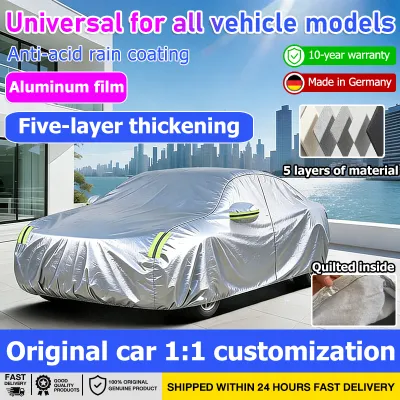
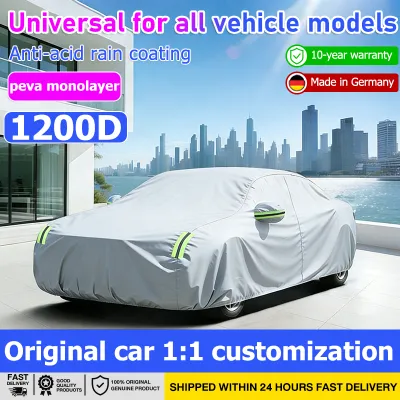
![[24 hours delivery] Upgraded and thickened universal car cover size:M/L/XL/XXL/3XL car cover outdoor protection sunscreen car cover waterproof car shade car cover sun protection car cover outdoor sunscreen](https://img.lazcdn.com/g/p/808f8e56d0f1744f116eabe475a3a1ff.jpg_400x400q80.jpg_.webp)
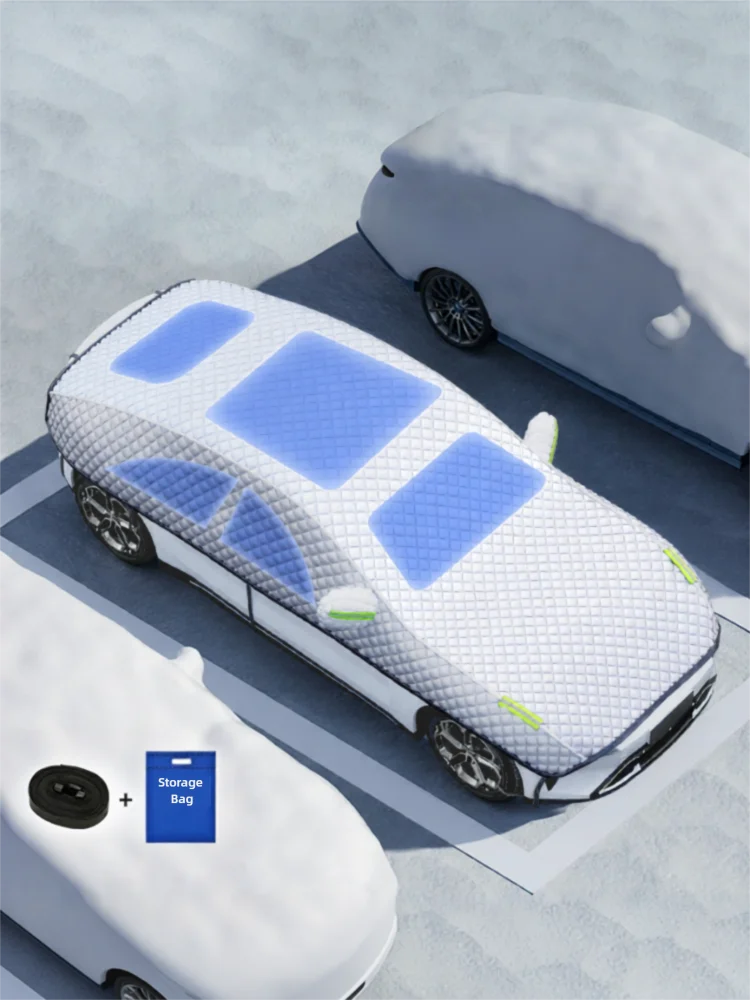
![[24 hours delivery] Upgraded and thickened universal car cover size:M/L/XL/XXL/3XL car cover outdoor protection sunscreen car cover waterproof car shade car cover sun protection car cover outdoor sunscreen](https://img.lazcdn.com/g/p/64e2d9dbc77f3447b24f93e4a3696f41.jpg_400x400q80.jpg_.webp)
Prices are valid at publication and may change. Please refer to the product page for the latest price.
Without specialized protection, ultraviolet rays break down the chemical bonds in your vehicle’s clear coat, leading to fading, chalking, and premature aging of rubber window seals. When heavy rain immediately follows intense sun, water can seep into micro-cracks in the paint, where high ambient heat then vaporizes it, causing the paint to blister. To prevent this destructive cycle, your cover must act as both a highly reflective shield and a vapor-permeable barrier.
Selecting the right cover requires moving past generic marketing terms like “all-weather” or “heavy-duty.” Instead, you must look for verified technical metrics that prove the fabric can handle high water pressure, block specific wavelengths of light, and allow moisture vapor to escape from underneath.
Understanding Waterproof Ratings (mm) for Heavy Rain
When evaluating a cover’s rain protection, the most reliable metric to look for is the hydrostatic head rating, measured in millimeters (mm). This rating indicates the height of a water column that the fabric can support before liquid begins to penetrate the weave. For example, a fabric rated at 1,500 mm can withstand a 1.5-meter column of water pressing down on it before leaking.

It is vital to distinguish between “water-resistant” and “waterproof” labels. Water-resistant covers are typically treated with a temporary hydrophobic spray that causes light drizzle to bead up and roll off, but they will quickly saturate and leak during a sustained Singaporean thunderstorm. True waterproof covers utilize specialized polyurethane or elastomeric membranes that maintain their barrier even under the physical impact of heavy, driving rain.
However, a high hydrostatic head rating on the fabric itself is useless if the cover’s seams are vulnerable. During a prolonged storm, water pressure will force moisture through the tiny needle holes created during the stitching process. To prevent this, ensure the product specifications explicitly state that the cover features heat-welded or taped seams, which seal these puncture points completely.
Before purchasing, always check the manufacturer’s documentation to verify that the waterproof rating applies to the entire assembly, including the seams. If the product description only mentions waterproof fabric but omits seam construction, water is highly likely to seep through onto your hood and trunk during monsoon season.
Decoding UPF and UV Protection Levels
Just as sunscreen protects your skin, the Ultraviolet Protection Factor (UPF) rating indicates how effectively a fabric blocks solar radiation. A cover with a UPF 50+ rating blocks approximately 98% of harmful UVA and UVB rays, which are the primary drivers of paint oxidation, headlight yellowing, and interior dashboard cracking.
In addition to fabric density and UPF ratings, high-quality outdoor covers utilize reflective outer layers, often containing microscopic aluminum or silver-colored polyurethane particles. These reflective coatings bounce infrared radiation away from the vehicle, significantly reducing cabin temperatures when parked in open, unshaded areas like HDB surface car parks.
Avoiding dark-colored, untreated covers is highly recommended for outdoor parking. Dark materials without reflective coatings absorb solar energy, transferring heat directly to the vehicle’s bodywork. This intense heat can bake the cover’s inner lining onto your clear coat and degrade delicate rubber seals and plastic trim over time.
When shopping, prioritize covers that combine a certified UPF 50+ rating with a light-colored, reflective outer surface. This dual-action protection ensures that both light and heat are directed away from your car’s panels, preserving the glossy finish of your paintwork.
The Critical Spec: Breathability in High Humidity
In Singapore’s humid climate, breathability is a non-negotiable specification that must be balanced with waterproofing. A completely impermeable cover creates a “greenhouse effect,” trapping ground moisture and engine heat underneath. As the temperature rises, this trapped moisture evaporates, condenses on the underside of the cover, and remains pressed against your vehicle’s paint.
Prolonged exposure to trapped condensation can cause osmotic blistering, a condition where moisture penetrates the clear coat and creates permanent, unsightly bubbles in the paint. To prevent this, a high-quality cover must feature a micro-porous membrane. This technology utilizes pores that are large enough to allow water vapor molecules to escape outward, but small enough to block liquid rainwater droplets from entering.
Alternatively, some heavy-duty covers incorporate built-in mesh ventilation panels or covered air vents along the sides. These vents promote continuous air circulation, allowing wind to carry away trapped moisture without letting rain enter.
When reading product labels, look for terms like “breathable membrane,” “vapor-permeable,” or “integrated air vents.” A cover that lacks these features should not be used outdoors in humid environments, regardless of how high its waterproof rating is.
Quick Spec Checklist for Reading Car Cover Labels
Before purchasing a cover online or from a local automotive supplier, use this checklist to verify that the technical specifications match your parking scenario and vehicle needs:
- Hydrostatic Head Rating: Look for a minimum of 1,500 mm (preferably 2,000 mm or higher) to ensure reliable protection against heavy tropical downpours.
- UV Protection: Verify a UPF 50+ rating or look for explicit mentions of a reflective silver/aluminum outer layer.
- Seam Construction: Confirm the seams are heat-welded or taped, not just double-stitched.
- Breathability: Check for micro-porous fabric technology or integrated ventilation flaps to prevent trapped condensation.
- Fit and Security: Opt for custom-fit or semi-custom dimensions rather than generic "one-size-fits-all" options. A loose cover will flap in the wind, allowing trapped grit to act like sandpaper against your paint.
- Wind Fasteners: Ensure the cover includes heavy-duty underbody straps and buckle clips to keep it secure during sudden wind gusts.
Always verify your vehicle’s exact model, year, and physical dimensions against the product documentation before buying. If your vehicle has aftermarket modifications like a rear wing or custom bumpers, check with the cover manufacturer to ensure the dimensions will still accommodate the modified shape. Additionally, check both the car cover manual and your vehicle manufacturer’s paint care instructions before use, especially if your car has been recently repainted or treated with a ceramic coating.
Frequently Asked Questions (FAQ)
Is a higher waterproof mm rating always better?
Not necessarily. Extremely high hydrostatic head ratings (such as 5,000 mm or higher) often require thick, heavily coated fabrics that are stiff, heavy, and significantly less breathable. These heavy covers are difficult to fold, store, and handle on a daily basis. For Singapore’s climate, a balanced mid-range waterproof rating of 1,500 mm to 3,000 mm combined with high breathability and taped seams offers the best protection and practical usability.
Does the color of the car cover affect UV protection?
Yes, color directly impacts heat absorption and reflective performance. While a dark cover can still achieve a high UPF rating by physically blocking UV rays, it will absorb visible light and infrared radiation, causing the cabin temperature to spike. Lighter colors, particularly silver or light grey, reflect both UV rays and infrared heat, keeping the vehicle significantly cooler and reducing thermal stress on your interior plastics and leather seats.
Community discussion
Share your experience or ask a question. Comments are reviewed before publication.