
When shopping for car detailing supplies, you will frequently encounter the term GSM alongside a number. A 1200 GSM microfiber towel represents one of the heaviest and thickest options available. Understanding what this specification means in practice helps you choose the right tool for your vehicle’s paintwork, interior, and glass without risking scratches or wasting effort.
What 1200 GSM Actually Means in Microfiber Towels
GSM stands for Grams per Square Meter. This metric measures the density and weight of the microfiber fabric rather than its overall quality or the fineness of the individual fibers. To calculate this, manufacturers weigh a one-meter by one-meter square of the fabric; a higher number indicates a denser weave with more fibers packed into the same surface area.
A 1200 GSM rating translates to an exceptionally plush, heavy, and thick towel structure. It feels substantial, cushiony, and noticeably heavier than standard household cleaning cloths. This density is achieved by weaving longer loops or packing more split microfibers closely together, creating a deep pile that absorbs significant amounts of liquid.
Products mentioned in this guide
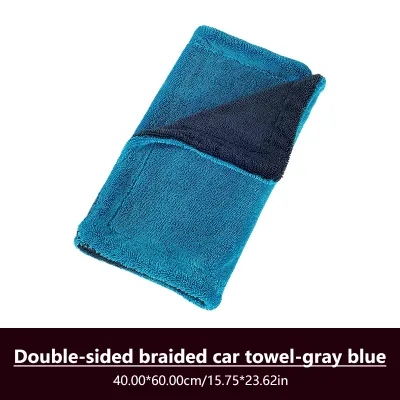
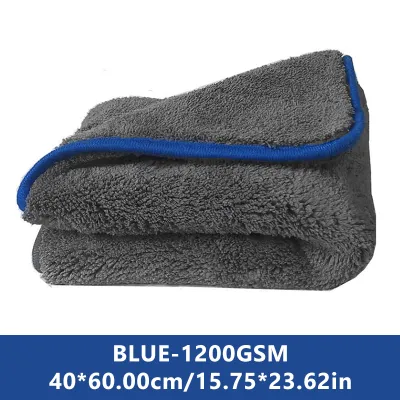
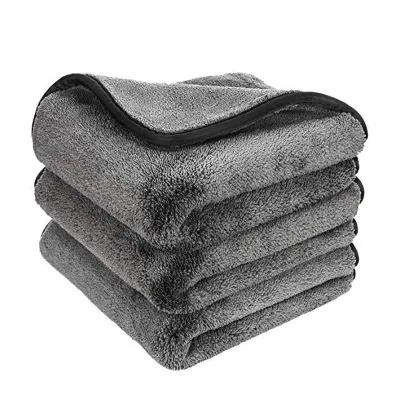
Prices are valid at publication and may change. Please refer to the product page for the latest price.
While a higher GSM rating increases water retention, it also introduces physical trade-offs. A 1200 GSM towel holds substantial water, making it highly effective for drying large surfaces. However, this density means the towel becomes heavy when fully saturated, takes longer to dry after washing, and can be difficult to wring out by hand.
Is 1200 GSM the Right Choice for Your Detailing Tasks?
Selecting a 1200 GSM towel depends entirely on the specific detailing task and surface. High-density towels excel when you need maximum absorbency and a thick cushion to protect delicate clear coats. However, they are not a universal solution, as their physical bulk can hinder performance on certain tasks.

For tasks like polishing or leveling ceramic coatings, a smooth, low-friction glide is essential. A heavy 1200 GSM towel can create excessive drag on the paint surface, making it difficult to buff off residues evenly. The thick pile can also absorb too much product, leading to uneven application.
Additionally, dragging a heavy, plush towel across delicate clear coats carries risks if the towel is not perfectly clean. While the deep pile pulls light dust away from the paint, it can also trap larger, abrasive debris deeply within the fibers. If these particles are not thoroughly washed out, they can scratch the paintwork during subsequent uses.
When evaluating a 1200 GSM towel, look beyond the density rating alone. The pile type—such as a twist loop design for drying or a plush, open-ended pile for buffing—determines how the towel interacts with moisture. The edge construction is equally critical; look for edgeless designs or soft silk-banded borders to minimize scratch risks.
Best Detailing Tasks for 1200 GSM Towels
Drying the vehicle exterior after a wash is one of the most effective uses for a 1200 GSM towel. The high density allows the towel to soak up water quickly, reducing the number of passes needed and minimizing water spots.
These thick towels are also useful for buffing off thick quick detailers or spray sealants. The plush pile provides a soft cushion that distributes hand pressure evenly, helping to prevent localized high spots or streaks on the clear coat.
Another excellent application is absorbing water from deep crevices, grilles, and door jambs. The long, dense fibers reach into tight gaps and pull moisture out of recessed areas where water typically pools after a wash.
When to Choose Lower GSM Alternatives
For interior dusting and cleaning delicate infotainment screens, a 1200 GSM towel is counterproductive. The long, plush fibers are prone to linting on textured plastics, and the towel’s bulk makes it difficult to navigate tight interior corners or clean without pressing buttons.
When applying thin liquid waxes, polishes, or paint cleansers, a lower GSM towel with a shorter pile is much more effective. Shorter fibers provide better tactile feedback and do not absorb excessive amounts of expensive polishes.
Cleaning heavily soiled areas like engine bays, exhaust tips, or wheels is another task where high-density towels should be avoided. These areas harbor heavy grease and brake dust, which get trapped deep inside a 1200 GSM pile, making the towel extremely difficult to clean effectively.
How to Verify and Maintain High-Density Microfiber
To ensure your towel performs safely and lasts, verify its specifications before use. Check the product label or manufacturer documentation to confirm the 1200 GSM claim and inspect the material blend. High-quality detailing towels typically feature a 70/30 or 80/20 polyester-to-polyamide ratio, where polyamide provides the softness and absorbency needed for automotive paint.
Maintaining the plush structure of a high-density towel requires strict laundering rules. Always wash microfiber towels separately from other fabrics, especially cotton, to prevent lint from clogging the microfiber channels. Use a dedicated microfiber wash or a mild liquid detergent, and never use fabric softeners, which coat the fibers and destroy absorbency.
Drying must be done with care to avoid damaging the synthetic fibers. Air drying in a clean, dust-free environment is safest, but if you use a dryer, select a low-heat setting. High heat can melt the microscopic tips of the polyester and polyamide fibers, causing them to mat together and turn scratchy.
Store your clean 1200 GSM towels in closed plastic bins to prevent them from collecting airborne dust or garage grime. Keeping them organized by task—such as separating drying towels from those used for wheels—helps prevent cross-contamination and ensures you always grab the right tool for the job.
Frequently Asked Questions (FAQ)
Does a higher GSM always mean a better microfiber towel?
No, a higher GSM does not automatically make a towel better or safer for car detailing. GSM only measures the weight and density of the fabric, not the quality of the raw materials, the fineness of the split fibers, or the manufacturing standards. A poorly made high-GSM towel can still lint excessively or scratch paint if the fibers are low-grade or if the edges are finished with rough, hard threads.
Can I use a 1200 GSM towel to clean my car's interior screens?
It is not recommended to use a thick, plush 1200 GSM towel for delicate infotainment screens or instrument clusters. The long fibers can easily trap dust particles that scratch sensitive plastic screens, and the bulk of the towel makes it hard to control the pressure you apply. Instead, use a low-GSM, short-pile, or flat-weave microfiber cloth specifically designed for glass and electronics to ensure a streak-free, scratch-free finish.
Community discussion
Share your experience or ask a question. Comments are reviewed before publication.