
Finding the right dashboard storage organizer involves matching your specific daily carry items—such as phones, wallets, and toll cards—with a secure mounting solution that does not obstruct your view or vehicle safety systems. A successful setup balances immediate accessibility with driving safety, ensuring that your items remain firmly in place during sudden stops.
Driving in busy urban environments like Singapore requires quick access to items like ERP cards, parking tokens, and navigation devices. A well-chosen car storage organizer keeps these essentials within arm’s reach, reducing driver distraction and preventing items from sliding into footwells.
Quick Selection Guide: Matching Organizer Types to Your Needs
To find the ideal car storage organizer, you must first identify what you carry daily and how you interact with those items while driving. Active tasks, such as viewing GPS navigation on a smartphone, require a highly stable, elevated mount that keeps the screen near your natural line of sight. Passive storage, which includes holding parking cards, sunglasses, or loose coins, is better served by flat trays, non-slip mats, or console side pockets.
Products mentioned in this guide
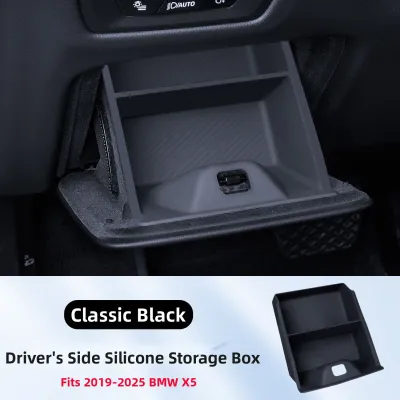
Prices are valid at publication and may change. Please refer to the product page for the latest price.
Choosing between a fixed mount and a loose storage tray involves clear trade-offs. Fixed mounts offer excellent stability and keep devices at eye level, but they can limit dashboard space and sometimes require adhesives that risk damaging delicate interior surfaces. Loose trays and mats provide flexible, multi-item storage and require zero installation, but they offer less security during sharp turns or sudden braking.
A secure, distraction-free setup must meet three basic criteria. First, the organizer must not block any portion of the windshield or your view of the side mirrors. Second, it must hold items tightly enough to prevent distracting rattles or sudden shifts during acceleration. Finally, it must allow you to retrieve essential items, like toll cards, with a single, blind hand movement without taking your eyes off the road.
Common Types of Dashboard Storage Solutions
Selecting the right car storage organizer requires understanding the structural differences between the main design categories available on online marketplaces. Each category interacts differently with your dashboard’s physical contours, material finishes, and your overall forward visibility. By comparing these form factors, you can narrow down the options that fit your vehicle’s specific cabin layout.

Non-Slip Mats and Trays
Flat, adhesive-free non-slip mats and shallow trays are designed for temporary, highly accessible placement of small items. These organizers rely on high-friction materials like silicone or polyurethane gel to grip the dashboard surface without permanent glues. They are ideal for holding keys, loose coins, and parking tokens that you need to grab quickly.
However, these flat surfaces have distinct physical limitations when the vehicle is in motion. While they prevent items from sliding during gentle cruising, they cannot secure heavier objects during sudden emergency braking or sharp cornering. A heavy smartphone or a thick wallet can easily overcome the surface friction and become a dangerous projectile inside the cabin.
Material selection is particularly critical in tropical climates like Singapore, where parked cars experience extreme internal heat. Low-quality plastics and cheap gels can melt, degrade, or fuse to the dashboard under direct sunlight, leaving permanent stains. Look for high-grade, heat-resistant silicone rated for high temperatures to ensure the mat retains its shape and grip over years of sun exposure.
Console Gap Fillers and Side Pockets
Console gap fillers and side pockets utilize the often-wasted space between the front seats and the center console. While not strictly mounted on top of the dashboard, they serve as an excellent alternative that keeps your dashboard completely clear of clutter. These organizers are highly effective for securing wallets, charging cables, and spare cards completely out of direct sunlight.
Before purchasing a gap filler, you must carefully measure the contour and depth of your center console. Some vehicles have tight, flush-fitting seats where a gap filler will not fit, while others have wide gaps that require adjustable foam spacers to stay upright. The organizer must sit snugly without sliding downward under the weight of its contents.
You must also verify that the pocket does not interfere with essential cabin controls. Ensure the installed unit does not block seatbelt buckles, restrict forward or backward seat adjustments, or impede the movement of mechanical handbrakes. If the pocket sits too far forward, it might also block access to lower dashboard power outlets or built-in cup holders.
Multi-Functional Mounts and Clip-Ons
Multi-functional mounts and clip-on organizers combine dedicated device holders with small storage compartments. These units are specifically engineered for drivers who rely on active smartphone navigation while wanting a dedicated slot for toll cards or sunglasses. They typically attach to air vents, instrument cluster hoods, or the dashboard edge.
The mounting mechanism plays a significant role in both stability and interior wear. Vent clips are easy to install but can block airflow and put stress on delicate plastic slats, especially when holding heavy modern smartphones. Suction cups and adhesive mounts offer flexible placement but require flat, non-porous surfaces to maintain a reliable vacuum or bond.
When evaluating these mounts, pay close attention to weight limits and vibration dampening features. A mount that shakes constantly while driving makes reading navigation screens difficult and increases eye strain. Look for designs with reinforced joints, rubberized grips, and adjustable ball heads that allow you to fine-tune the viewing angle to avoid glare.
Critical Safety and Compatibility Checks
Before placing any car storage organizer in your vehicle, you must perform a thorough safety and compatibility assessment. The most critical step is identifying your vehicle’s passenger and driver airbag deployment zones. Airbags deploy with explosive force, and any object placed on or near an airbag cover can prevent proper deployment or be launched toward occupants at high speed. Consult your vehicle’s owner manual to locate all airbag modules and keep a wide clearance around them.
Maintaining clear driver sightlines is another non-negotiable safety requirement. An organizer that sits too high on the center dashboard can create a blind spot, hiding pedestrians, low barriers, or oncoming traffic. Additionally, shiny plastic surfaces or glass components on the organizer can catch the sun, creating distracting reflections on the inside of your windshield that impair your vision.
Dashboard material compatibility is essential to prevent costly interior damage. Soft-touch plastics, synthetic leather, and genuine wood veneers are highly sensitive to chemical adhesives and high-suction mounts. Applying strong double-sided tape to these delicate surfaces can peel away the top finish or leave deep, permanent discoloration when removed. For these materials, friction-based mats or weighted friction mounts are much safer alternatives.
Finally, verify that the organizer does not interfere with your physical operation of the vehicle. It must not block your steering wheel movement, obstruct your view of the instrument cluster, or restrict access to hazard light buttons and climate controls. If a mount blocks an air conditioning vent, it can also cause condensation to form on your electronic devices or restrict cabin cooling efficiency.
Building Your Shortlist: Evaluating Features for Daily Essentials
When comparing different options on online marketplaces, creating a practical checklist based on your daily carry items will help you find the most functional model. Start by measuring your primary devices, including their protective cases. A compartment designed for a bare smartphone may not accommodate a phone housed in a thick, shockproof case or a wallet stuffed with cards.
Securing small, loose items requires specialized compartment designs. If you frequently carry coins, parking tokens, or ERP cards, look for organizers with dedicated, slotted compartments. These slots prevent cards from sliding deep into the organizer where they are hard to retrieve, and they keep coins from rattling loudly every time you drive over speed bumps or uneven road surfaces.
Evaluate how easily you can access your items from the driver’s seat. You should be able to reach your phone, toll card, or sunglasses comfortably without leaning forward or stretching your arm to an uncomfortable degree. If you have to alter your driving posture to reach an item, the organizer is placed too far away and poses a safety risk.
Noise reduction is a key factor in driving comfort. Hard plastic organizers without any internal lining will cause keys, coins, and phones to rattle constantly with vehicle vibrations. To prevent this, prioritize models that feature soft felt linings, removable silicone inserts, or rubberized bases. These materials absorb vibrations, keeping your cabin quiet and protecting your devices from scratches.
Budgeting for these accessories in Singapore is straightforward, as most high-quality options range from S$10 to S$40. While it can be tempting to choose the cheapest option available, investing slightly more in heat-resistant materials and robust mounting hardware ensures the organizer remains secure and does not damage your car’s interior.
Installation and Maintenance for Long-Term Use
Proper installation is key to ensuring your car storage organizer remains securely in place over years of driving. For adhesive-based or suction mounts, you must prepare the dashboard surface meticulously. Clean the target area with a mild, interior-safe cleaner or a diluted isopropyl alcohol solution to remove all dust, oils, and dashboard protectants. Allow the surface to dry completely before applying the adhesive, and let the bond cure for at least 24 hours before placing any weight on the organizer.
Routine maintenance is necessary to preserve the grip of non-slip mats and silicone trays. Over time, airborne dust, pollen, and lint will coat the high-friction surface, causing it to lose its stickiness. When you notice items starting to slide, remove the mat from the dashboard and wash it with warm water and a mild dish soap. Once air-dried completely, the material’s natural friction will be fully restored.
If you eventually need to remove an adhesive-based organizer, doing so carefully will protect your dashboard from permanent damage. Avoid pulling the mount straight up, as this can tear the dashboard skin. Instead, use a plastic trim removal tool or dental floss slipped underneath the adhesive pad to gently saw through the foam tape. Any remaining sticky residue can be softened with a dedicated, interior-safe adhesive remover or citrus-based cleaner, then wiped away gently with a microfiber cloth.
Frequently Asked Questions (FAQ)
Will a dashboard organizer leave marks on my car's interior?
Yes, certain mounting methods can leave permanent marks, especially on soft-touch or leather dashboards. Chemical adhesives can react with the dashboard materials under high cabin temperatures, leading to discoloration or peeling. Suction cups can leave circular rings due to plasticizer migration, while heavy friction mats can block UV rays, causing the surrounding dashboard to fade unevenly over time.
To minimize this risk, always test any adhesive or suction mount on a small, hidden area of the dashboard first to check for material reactions. If you must use an adhesive, opt for high-quality, removable acrylic tapes designed specifically for automotive interiors. When removing residue, avoid harsh solvents like acetone or nail polish remover, which will instantly melt plastic finishes and strip away dashboard paint.
How do I keep items from sliding off a dashboard tray during drives?
Keeping items secure on a flat tray relies on choosing the right materials and structural designs. Look for trays made from high-quality silicone or polyurethane (PU) gel, which offer superior natural friction compared to standard hard plastics. These materials grip the bottom of your phone or wallet, preventing them from shifting during normal driving maneuvers.
Regular cleaning is also essential, as even a thin layer of dust will act as a barrier between the tray and your items, causing them to slide. Wash the tray periodically with mild soap and water to keep the surface clean. For the best security on winding roads or routes with frequent stops, choose a tray with deep, raised outer lips or built-in dividers that physically contain your items rather than relying solely on surface friction.
Community discussion
Share your experience or ask a question. Comments are reviewed before publication.