
Choosing the best dash cam mount depends on your vehicle’s windshield setup, how often you plan to move the camera, and whether you have aftermarket window tint installed. For drivers seeking a permanent, rattle-free installation that remains secure through intense tropical heat, 3M VHB tape is generally the most reliable option on clear glass. If you want a highly secure hold but still need the flexibility to reposition the camera occasionally, an adhesive suction cup offers a hybrid solution. For temporary setups, rental cars, or drivers who frequently swap their dash cams between vehicles, a regular suction cup provides the easiest, residue-free removal. Before making your final choice, it is crucial to verify your windshield’s tint status and review local traffic regulations to ensure your camera placement remains fully compliant.
Quick Answer: Choosing the Right Dash Cam Mount
Selecting the right mount ensures your dash cam remains secure and captures clear footage without vibrating or falling off while driving.
- 3M VHB Tape: Best for drivers who want a permanent, low-profile, and completely rattle-free setup. It performs exceptionally well on clear, untinted glass but is difficult to remove and cannot be reused without replacing the adhesive pad.
- Adhesive Suction Cups: Ideal for those who want a stronger grip than a standard suction cup but still want the option to reposition the camera. The sticky gel layer helps maintain the vacuum seal, though it can leave a gummy residue over time.
- Regular Suction Cups: Best for temporary use, rental cars, or drivers who frequently swap their camera between different vehicles. It leaves zero residue but is the most prone to falling off in high temperatures.
Before finalizing your installation, always check if your vehicle has aftermarket window tint installed, as strong adhesives can damage these delicate films. Additionally, ensure the camera is positioned in a way that complies with local traffic safety guidelines regarding driver visibility.
Products mentioned in this guide
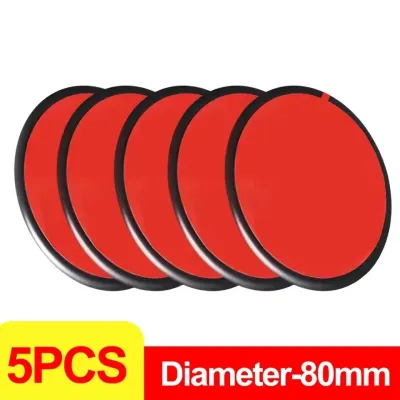
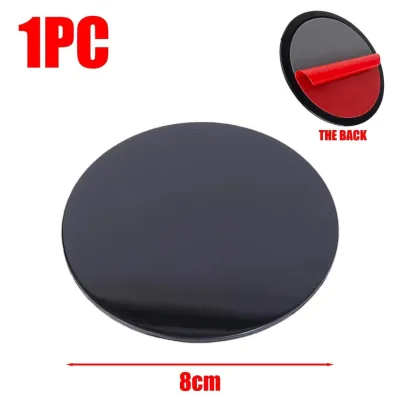
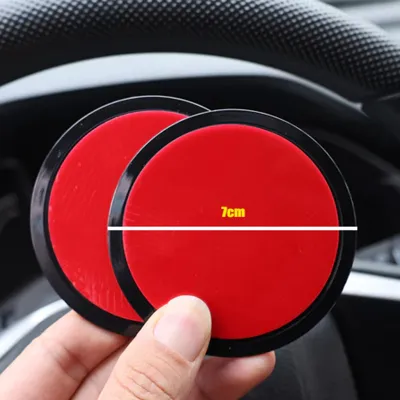
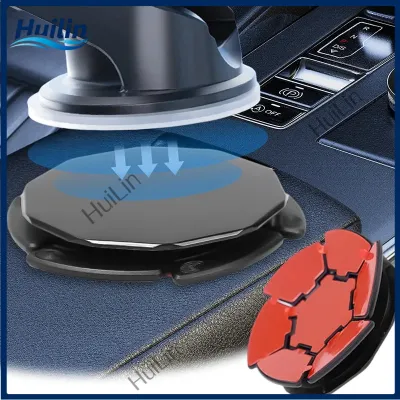
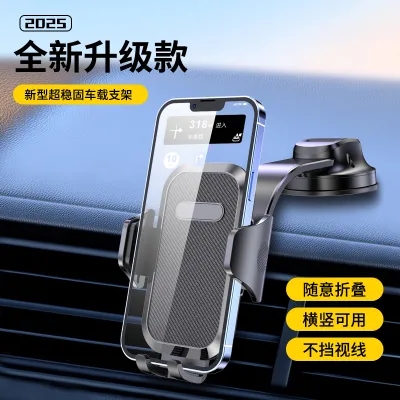
Prices are valid at publication and may change. Please refer to the product page for the latest price.
How the Three Dash Cam Mounts Work
Understanding the mechanical and physical differences between these three mounting options helps you identify which product type best suits your daily driving conditions.

Regular suction cups rely entirely on a mechanical vacuum seal. When you press the flexible silicone or rubber cup against smooth glass and engage the locking lever, it forces the air out from underneath the cup. This action creates a low-pressure vacuum pocket inside, while the higher atmospheric pressure outside presses the cup firmly against the windshield. This seal is highly dependent on a perfectly smooth, clean, and non-porous surface.
An adhesive suction cup, often marketed as a car adhesive suction cup, enhances this mechanical design by adding a layer of sticky polyurethane gel or soft adhesive to the face of the suction pad. When applied to the windshield, this sticky gel fills the microscopic imperfections, dust gaps, or slight curves in the glass. This dual-action approach combines the physical holding power of a vacuum seal with the surface-level grip of a light chemical adhesive, creating a much tighter barrier against air leaks.
In contrast, 3M VHB (Very High Bond) tape mounts bypass vacuum mechanics altogether. These mounts utilize a specialized, double-sided acrylic foam tape engineered specifically for automotive applications. The viscoelastic foam core absorbs road vibrations and conforms to the slight curvature of the windshield. Instead of relying on air pressure, it forms a high-strength, semi-permanent molecular bond directly with the glass surface over a curing period of several hours.
Hold Strength and Heat Resistance in Parked Cars
Parked cars act like greenhouses, trapping solar radiation and causing cabin temperatures to rise rapidly, especially in tropical climates like Singapore. This intense heat directly impacts how mounting materials behave over time.
Vacuum seals in regular suction cups are highly susceptible to these temperature fluctuations. As the air trapped inside any microscopic pockets of the suction cup heats up, it expands. Simultaneously, the rubber or silicone material of the cup softens and becomes more pliable under the heat. This combination of expanding air and softening material frequently causes the vacuum seal to fail, resulting in the dash cam suddenly detaching from the windshield.
Adhesive suction cups perform better in high heat because the sticky gel layer helps maintain the seal even when the rubber structure expands or contracts. However, prolonged exposure to extreme cabin heat can cause the gel to degrade, turn gooey, or lose its structural integrity. Over time, this degradation can lead to a sagging mount or a camera that vibrates excessively while driving.
3M VHB tape is engineered to withstand significant temperature swings and remains highly stable in hot cabins. The acrylic chemistry of the tape resists thermal degradation, making it the most reliable option for vehicles parked outdoors. However, its initial bond strength depends heavily on proper application. If applied to a cold or dirty windshield, or if it is not allowed to cure fully before supporting the weight of the camera, the tape may peel at the edges.
Drivers should perform regular visual and physical checks on their mounts to prevent the camera from falling while on the road. Look for early signs of failure, such as a sagging mounting arm, visible air bubbles forming under a suction cup, or peeling edges on an adhesive pad. Gently tugging the mount before starting a journey is a quick way to verify its stability.
Additionally, specialized windshield coatings, such as factory-applied hydrophobic rain repellents or certain acoustic glass treatments, can interfere with how adhesives and gels bond to the glass. Always clean the glass thoroughly to remove these coatings from the specific mounting area before installation.
Removability, Residue, and Windshield Tint Safety
Removing a dash cam mount becomes necessary when upgrading electronics, changing vehicles, or replacing a damaged windshield. The ease of this process and the risk of leaving unsightly residue vary greatly among the three mounting types.
Regular suction cups excel in this category. They leave virtually no residue, requiring only a quick wipe with a microfiber cloth to remove any minor dust rings. They can be detached and reattached indefinitely without losing their original holding properties, making them highly reusable.
Adhesive suction cups leave a sticky, gel-like residue if they are removed after long-term exposure to heat. While this gel is typically washable with mild soap and water to restore its stickiness, removing the residue from the windshield requires careful cleaning. Drivers must avoid using harsh chemical solvents on the interior glass, as these can easily run down and damage the dashboard plastics or leather trim.
3M VHB tape leaves a tough, foam-backed adhesive residue upon removal. Because the bond is semi-permanent, pulling the mount directly off the glass can stretch or tear the tape, leaving a stubborn layer behind. This residue requires mechanical slicing and a dedicated, glass-safe adhesive remover to clean completely. Once removed, the tape pad itself is destroyed and cannot be reused; a fresh piece of automotive-grade double-sided tape must be applied for reinstallation.
Windshield tint safety is a critical consideration for vehicles with aftermarket window films. Applying a high-strength adhesive like 3M VHB tape directly onto a tinted film carries a high risk of delamination. When you attempt to remove the tape, the adhesive bond to the film may be stronger than the film’s bond to the glass, causing the tint to bubble, tear, or peel away entirely. Adhesive suction cups also pose a moderate risk to tints due to their sticky gel layer. Regular suction cups are safer but can still cause minor bubbling over time if the vacuum pressure pulls constantly on a poorly installed tint film. Always check your window tint warranty and instructions before applying any adhesive or high-vacuum mount directly to the film.
LTA Compliance and Safe Placement in Singapore
In Singapore, mounting any accessory on your vehicle’s windshield must comply with the Land Transport Authority (LTA) guidelines to ensure road safety. The primary legal requirement is that the driver’s forward line of sight must remain completely unobstructed. A poorly placed dash cam can create a dangerous blind spot, especially when navigating tight turns or pedestrian crossings.
To maintain compliance, the recommended installation zone is directly behind the rearview mirror. This area is already obscured from the driver’s direct view by the mirror itself, making it the ideal spot to tuck away a compact dash cam. Alternatively, mounting the camera high up on the passenger side of the windshield keeps the driver’s field of vision clear while still allowing the camera lens to capture a wide angle of the road ahead.
Safety extends beyond visibility to the physical installation of the device. You must identify and avoid the deployment zones of all cabin airbags, particularly the side curtain airbags that run along the A-pillars and roofline. Routing the power cable carelessly across these pillars can prevent the airbags from deploying correctly in an accident, or worse, turn the cable and camera into dangerous projectiles.
When routing cables, refer to your vehicle’s owner manual to locate airbag modules. Run the wiring behind the trim panels and secure it firmly using cable clips, ensuring it does not cross any airbag deployment paths. If you are unsure about the location of safety systems or how to safely tuck the wiring behind the interior panels, seek qualified professional installation.
Decision Guide: Which Mount Fits Your Driving Needs?
To finalize your choice, evaluate your specific vehicle conditions, driving habits, and long-term plans for the camera.
- Choose 3M VHB tape if you want the most secure, rattle-free, and low-profile installation possible. This is the best option for drivers who plan to keep their dash cam in the same vehicle long-term and have clear, untinted glass or a dedicated non-tinted zone behind the rearview mirror. It provides unmatched stability under the intense sun.
- Choose an adhesive suction cup if you require a highly secure hold but want the flexibility to reposition the camera or transfer it to another vehicle occasionally. This option balances the strong grip of an adhesive with the mechanical release of a suction cup, though you must be prepared to clean up sticky gel residue during removal.
- Choose a regular suction cup if you frequently drive rental cars, share a single dash cam among multiple family vehicles, or require a completely residue-free removal process. It is also the safest option if you must mount the camera directly onto an aftermarket window tint, provided you monitor the vacuum seal regularly for signs of slipping.
Before purchasing, always verify your windshield’s specific characteristics. Check if your car features an aftermarket tint film, a heated windshield with embedded wire elements, or specialized rain-repellent coatings. These factors can significantly reduce the effectiveness of adhesives or suction cups, guiding you toward alternative mounting locations or specialized mounting brackets.
Frequently Asked Questions (FAQ)
Can I use a suction cup or tape mount on a tinted windshield?
Using high-strength adhesives like 3M VHB tape directly on aftermarket window tint is not recommended, as the removal process will likely tear or delaminate the film. Adhesive suction cups also carry a risk of pulling the tint away from the glass over time. If your windshield is fully tinted, the safest approach is to mount the dash cam on a section of the glass that is not covered by the film, such as the black dotted matrix area near the rearview mirror (if it is untinted), or use a specialized bracket that attaches to the rearview mirror stem. Alternatively, you can apply a small piece of clear electrostatic film to the tint first, and then adhere the mount to the electrostatic film, which distributes the pulling force more evenly and allows for safer removal.
How do I safely remove 3M VHB tape from my windshield?
To safely remove 3M VHB tape without scratching the auto glass or damaging your vehicle’s interior, start by softening the adhesive. Use a hair dryer on a low-heat setting to gently warm the outside of the windshield directly opposite the mount; avoid overheating the glass to prevent thermal stress. Once the adhesive is warm and pliable, take a length of dental floss or strong fishing line and slide it behind the mounting bracket. Using a sawing motion, slice through the foam core of the tape to separate the mount from the glass. To clean the remaining foam and sticky residue, apply a small amount of a glass-safe automotive adhesive remover to a microfiber cloth and gently rub the area. Never spray chemical solvents directly onto the windshield, as overspray can damage your dashboard plastics, leather, or electronic sensors.
Community discussion
Share your experience or ask a question. Comments are reviewed before publication.