
Selecting the right motorcycle gloves is a critical decision that directly impacts your control, comfort, and safety on the road. The choice between waterproof and breathable gloves is not merely a matter of personal preference; it is dictated by your primary riding environment, local weather patterns, and how you handle exposure to the elements. While waterproof gloves shield your hands from sudden downpours and cold winds, breathable gloves focus on maximizing airflow to prevent sweat buildup and maintain a secure grip during hot, humid rides.
To make an informed investment, you must understand how these two designs function under different riding scenarios. Dainese offers distinct product lines engineered for these contrasting needs, utilizing specialized materials and construction techniques. By evaluating your daily commute, typical weather exposure, and key product specifications, you can determine which glove type aligns with your riding style or whether a dual-glove strategy is necessary for year-round comfort.
Understanding the Core Differences in Glove Construction
The fundamental difference between waterproof and breathable gloves lies in their structural layers and material composition. Waterproof gloves are built using a multi-layered approach designed to keep moisture out while retaining body heat. The outermost layer is typically constructed from high-density textiles or treated leather, which is then bonded or paired with an internal waterproof membrane. This membrane features microscopic pores that are small enough to block liquid water droplets from entering but large enough to allow microscopic water vapor from sweat to escape, though this vapor transmission is significantly reduced in high-humidity environments.
Products mentioned in this guide
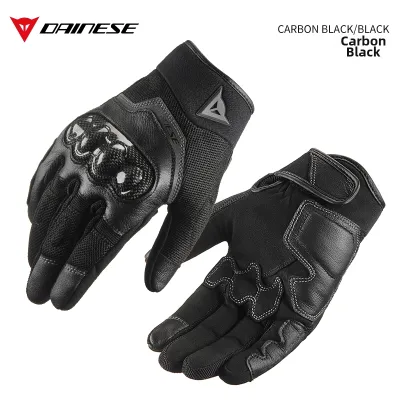
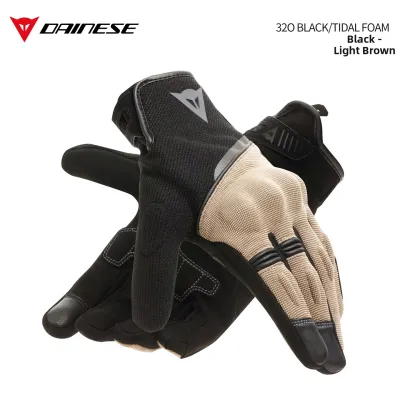
Prices are valid at publication and may change. Please refer to the product page for the latest price.
In contrast, breathable gloves prioritize direct ventilation and heat dissipation. These gloves often feature extensive mesh panels, perforated leather sections, and lightweight textile backings that allow air to flow freely over your skin. By eliminating the internal barrier of a waterproof membrane, breathable designs facilitate rapid evaporation of sweat, keeping your palms dry and preventing the slippery sensation that can compromise handlebar control. However, this open structure offers virtually no resistance to rain, meaning your hands will quickly become soaked in wet weather.
The choice of outer shell materials also introduces trade-offs in terms of abrasion resistance and flexibility. Heavy-duty leather, frequently used in waterproof and cold-weather gloves, provides excellent abrasion protection but can feel stiff and bulky, requiring a break-in period. Lightweight mesh and synthetic textiles used in breathable gloves offer immediate flexibility and superior tactile feedback, but they may not match the ultimate sliding wear resistance of premium leather. Manufacturers balance these properties by strategically placing leather reinforcements on the palms and high-impact zones of breathable models, ensuring a baseline of protection without blocking airflow.
Ultimately, the physical compromise between weather sealing and breathability is absolute. A glove that is completely sealed against external water ingress will always restrict air circulation compared to a fully ventilated mesh glove. Even advanced breathable-waterproof membranes have limits to how much moisture vapor they can exhaust when the external air is saturated or warm. Understanding this physical boundary helps you manage your expectations regarding comfort and performance in extreme weather conditions.
Evaluating Your Typical Riding Conditions
Your local climate and daily riding routes are the primary factors that should guide your gear selection. In tropical regions like Singapore, riders face a unique combination of intense heat, high humidity, and sudden, heavy downpours. A daily commute in this environment requires careful consideration. While a breathable glove keeps your hands cool during dry spells, a sudden afternoon monsoon can leave you riding with waterlogged hands, which reduces grip and causes discomfort.

The nature of your commute also dictates your ventilation needs. If your typical route consists of short urban trips with frequent stop-and-go traffic, breathable gloves are highly advantageous. At low speeds and during idle periods at traffic lights, there is minimal wind to force air through a waterproof membrane, leading to rapid heat buildup and sweaty hands. Ventilated mesh gloves allow whatever ambient air is available to circulate, keeping your hands comfortable even when you are stationary.
Conversely, longer highway commutes or high-speed touring present different challenges. At sustained high speeds, wind chill can rapidly cool your hands, even in relatively warm ambient temperatures. If you encounter rain at highway speeds, the force of the wind can drive water through non-waterproof materials almost instantly, leading to cold, numb fingers that slow your reaction times on the brake and clutch levers. In these scenarios, the windproof and waterproof qualities of a membrane-equipped glove become essential for maintaining physical control and comfort over long distances.
You should also analyze the specific times of day you ride and any seasonal variations. If you primarily ride during the early morning or late evening when temperatures are cooler, or if you frequently travel through elevated, cooler regions, a waterproof or lightly insulated glove provides a welcome barrier against the chill. If your riding is strictly limited to daytime weekend leisure rides in dry weather, a dedicated breathable glove is the logical choice to maximize comfort and tactile feel.
Key Specifications to Verify Before Purchase
When shopping for Dainese gloves, it is essential to look beyond the aesthetic design and carefully verify the technical specifications on the product labels and manufacturer documentation. For waterproof models, check the specific type of membrane used. Premium models often feature laminated membranes, where the waterproof barrier is bonded directly to the outer shell, preventing the glove from absorbing water and becoming heavy. Other models may use a floating insert, which is highly effective at keeping water out but may allow the outer fabric to hold moisture.
Ventilation features on breathable gloves should also be inspected closely. Look for physical design elements such as perforated leather panels along the fingers, mesh inserts on the back of the hand, and dedicated air intake vents on the knuckle protectors. These features ensure that air is actively directed into the glove when your hands are positioned on the handlebars. Ensure that the ventilation zones do not compromise the structural integrity of the seams in high-impact areas.
Safety certifications and protective elements must never be overlooked in favor of weather comfort. Verify that the gloves carry the official CE certification label for motorcycle protective gear, which indicates they have undergone standardized testing for abrasion and impact resistance. Look for hard knuckle armor made of polyurethane or carbon fiber, reinforced palm sliders to prevent catching during a slide, and pre-curved finger construction that reduces muscle fatigue during long rides. These protective features should be integrated seamlessly without creating pressure points inside the glove.
Finally, evaluate usability features that enhance daily convenience and safety. Touchscreen-compatible fingertips on the index finger and thumb allow you to operate navigation devices without removing your gear. A built-in visor wiper on the left thumb is an invaluable feature on waterproof gloves, allowing you to clear rain from your helmet visor quickly. When budgeting for high-quality gear, expect to invest a reasonable amount in S$ for certified protection; prices typically range from under S$100 for basic mesh options to over S$300 for advanced laminated waterproof models. Ensure the wrist closure system is robust; waterproof gloves require a secure, adjustable cuff that can fit either under or over your jacket sleeve to prevent water from running down your arm, while breathable gloves benefit from a secure, low-profile hook-and-loop wrist strap.
Decision Framework: Which Type Should You Choose?
To finalize your decision, match your primary riding habits against a clear set of functional priorities. If your riding routine involves daily commuting regardless of the weather, frequent travel during monsoon seasons, or long-distance highway touring where weather conditions are unpredictable, you should prioritize waterproof gloves. The ability to keep your hands dry and warm is critical for maintaining the precise motor skills needed to operate your motorcycle safely in challenging conditions.
On the other hand, you should choose breathable gloves if your riding is concentrated in consistently hot, dry climates, or if you primarily engage in short urban commutes where stop-and-go traffic causes rapid heat buildup. In these environments, the immediate comfort, superior airflow, and enhanced tactile feedback of a ventilated glove outweigh the benefits of wet-weather protection. Keeping your hands dry from sweat is itself a safety factor, as it prevents slippage and reduces rider fatigue.
If you find that your riding style spans both scenarios, verify whether a single hybrid model can meet your needs, or if investing in two dedicated pairs is the safer approach. Some riders attempt to use a single pair of waterproof gloves year-round, but this often leads to extreme discomfort and sweaty hands during the dry, hot months. In many cases, owning one pair of highly ventilated mesh gloves for daily dry-weather riding and a second pair of compact, packable waterproof gloves stored in your under-seat compartment or backpack is the most practical and comfortable strategy for adapting to changing road conditions.
Frequently Asked Questions (FAQ)
Can I use waterproof motorcycle gloves in hot weather?
While you can physically wear waterproof gloves in hot weather, it is generally not recommended for extended periods. The internal waterproof membrane restricts the rapid escape of sweat vapor, leading to a buildup of moisture inside the glove. This damp environment can cause your hands to slide inside the glove, reducing your grip on the handlebars and compromising your control over the throttle and levers. For safety and comfort in high temperatures, it is advisable to switch to a dedicated breathable or mesh glove that allows direct airflow.
How do I properly care for and maintain the waterproof membrane?
To preserve the integrity of a waterproof membrane, you must follow the manufacturer’s specific care instructions found on the internal label. Avoid using harsh detergents, bleach, or fabric softeners, as these chemicals can degrade the membrane’s structure and strip away water-repellent coatings on the outer shell. Gently hand wash the gloves using mild soap and lukewarm water, and never wring or twist them to remove excess water. Always air-dry your gloves naturally away from direct heat sources like radiators or direct sunlight, as excessive heat can delaminate the membrane and dry out leather panels.
Community discussion
Share your experience or ask a question. Comments are reviewed before publication.