
Choosing between Dainese and Alpinestars riding boots is not a matter of finding a single superior brand, but rather identifying which manufacturer’s design philosophy, fit profile, and protective architecture align with your feet and riding style. Both Italian manufacturers represent the pinnacle of motorcycle safety gear, yet they approach rider protection and ergonomics from distinct angles. Dainese is renowned for its sleek, tailored European fit and innovative internal ankle bracing systems, whereas Alpinestars is celebrated for its robust external biomechanical armor and slightly wider, more accommodating footbeds. To make a sound investment, you must look beyond the brand logo and evaluate how specific model tiers, material choices, and construction methods meet your personal comfort and safety requirements.
Comparing Protection Features and Safety Standards
Evaluating the protective capabilities of premium riding boots requires looking past marketing terms and examining standardized testing metrics. The most reliable baseline for comparing safety is the European CE certification label, specifically the EN 13634 standard for motorcycle footwear. When inspecting a boot, locate this label to find a grid of four numbers, which represent performance levels for height, abrasion resistance, impact cut resistance, and transverse rigidity. A rating of “1” indicates basic protection, while “2” represents a higher threshold of performance under testing conditions. Comparing these numbers across specific models allows you to verify the actual protective capacity of a boot regardless of brand branding.
The structural approach to ankle protection highlights a major design divergence between the two manufacturers. Dainese frequently utilizes an internal bracing system, often referred to as the D-Axial system, which uses carbon, aramid fiber, or composite materials inside the boot to prevent lateral ankle twisting while maintaining smooth forward and backward movement. This internal design allows the exterior of the boot to remain exceptionally streamlined, reducing the risk of catching on motorcycle components during a slide. Conversely, Alpinestars often favors an external biomechanical ankle brace constructed from high-density thermoplastic polyurethane (TPU). This external frame acts as a shield against direct impacts and controls ankle flexion through external sliding guides, offering a highly visible and robust outer armor layer.
Products mentioned in this guide
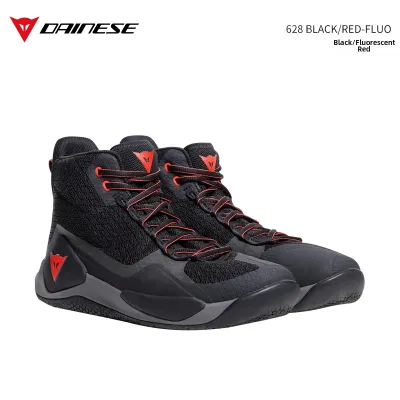
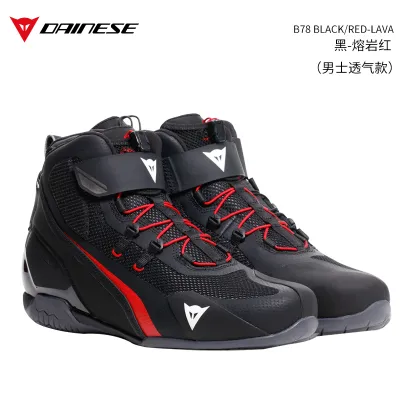
Prices are valid at publication and may change. Please refer to the product page for the latest price.
Armor placement and impact absorption also vary across different riding disciplines. Track-focused models from both brands feature extensive shin plates, reinforced heel cups, and replaceable toe sliders made of magnesium, aluminum, or hardened plastic. If you plan to ride on the track or engage in aggressive sport riding, verify the availability and mounting mechanism of these replaceable sliders, as worn-down sliders must be replaced to prevent damage to the boot’s main structure. For touring or urban models, protection is typically more discreet, utilizing internal ankle discs and reinforced toe boxes that blend into the boot’s casual or understated styling. Ultimately, a top-tier touring boot from either brand will offer different protective priorities than an entry-level race boot, proving that protection levels are determined by the specific model tier rather than the brand name alone.
Evaluating Comfort, Fit, and Daily Usability
A protective boot is only effective if it fits correctly and remains comfortable throughout your ride. Fit profiles differ significantly between these two brands due to the shape of the lasts—the foot-shaped molds around which the boots are constructed. Dainese boots generally feature a narrower, more contoured European fit, characterized by a snug heel pocket and a lower instep. This design is highly effective for riders with narrow or average-width feet who prefer a locked-in sensation. Alpinestars, on the other hand, tends to build boots with a slightly wider toe box and a more generous instep, making them a preferred choice for riders with broader feet or those who experience pressure points in narrower footwear.

The choice of upper materials directly influences both the initial break-in period and the long-term flexibility of the boot. Traditional full-grain leather offers exceptional natural abrasion resistance and gradually molds to the unique shape of your foot over time, though it requires a dedicated break-in period and regular maintenance. Modern synthetic microfibers, which are widely used by both brands, provide consistent structural integrity, high abrasion resistance, and excellent flexibility straight out of the box. Microfiber uppers also tend to resist water absorption better than untreated leather, making them highly practical for unpredictable weather conditions, though they do not stretch or mold to your foot shape to the same degree as natural leather.
For riders who spend significant time walking off the motorcycle, walking ergonomics and sole construction are critical considerations. Commuters and touring riders should look for boots featuring flexible accordion panels at the Achilles tendon and instep, which facilitate natural ankle movement during walking. The design of the sole also plays a dual role: it must provide stiff, crush-resistant support on the footpegs while offering enough grip and flexibility for walking on wet pavement or painted road markings. Some sport-touring models incorporate advanced hinge placements that allow comfortable walking without compromising lateral ankle support. For riders in warmer climates, both brands offer highly ventilated or perforated versions of their popular boots to maximize airflow and prevent heat buildup. Remember that a universal brand fit does not exist; you must consult detailed size charts and try on specific models to find the correct match for your foot shape.
Matching the Boot to Your Riding Style
Selecting the suitable boot requires matching the specific product lineup of either brand to your primary riding environment. For track and high-performance sport riding, the demands are centered on maximum rigidity, impact protection, and precise footpeg feedback. Dainese offers a unique “boot-in” system on select sport models, designed to be worn underneath compatible leather riding suits to create a seamless, aerodynamic profile that reduces the risk of snagging. Alpinestars approaches high-performance riding with traditional “boot-out” designs that feature comprehensive external TPU shin guards and robust outer bracing, which are highly compatible with a wide range of riding pants and suits.
Touring and daily commuting demand a balance of weather protection, durability, and all-day comfort. In this category, look for boots equipped with integrated waterproof membranes and breathable liners that keep your feet dry without causing excessive sweating. These boots typically feature vulcanized rubber soles with deep tread patterns for reliable grip on slippery surfaces, alongside more flexible ankle structures that accommodate natural walking gauntlets. The focus here shifts from rigid, track-ready armor to impact-absorbing foam inserts and reinforced zones around the gear shifter to prevent premature wear from repeated shifting.
Urban and casual riders often prefer low-profile riding shoes or sneakers that blend seamlessly into everyday environments while still offering basic motorcycle-specific protection. Both brands offer extensive casual lineups featuring reinforced ankle cups, crush-resistant soles, and quick-entry closure systems such as speed laces, zippers, or micro-adjustable dials. While these casual options provide excellent walkability and off-bike style, they inherently offer less shin and torsional protection than full-height sport or touring boots. Use the following decision framework to align your riding style with the appropriate boot characteristics:
| Riding Style | Key Boot Characteristics | Recommended Design Focus |
|---|---|---|
| Track & Sport | Rigid ankle bracing, replaceable sliders, high-impact shin plates | Internal or external mechanical braces, streamlined profiles |
| Touring & Commuting | Waterproof membranes, flexible walking panels, high-grip soles | Weatherproof liners, moderate ankle flex, durable shift pads |
| Urban & Casual | Sneaker-style aesthetics, low-profile armor, quick-entry closures | Reinforced sole shanks, discreet ankle discs, lightweight uppers |
Sizing Verification and Pre-Purchase Checklist
To ensure your riding boots perform as intended during an impact and remain comfortable on long rides, you must verify the sizing and fit with precision. Begin by measuring both of your feet, as it is common for one foot to be slightly larger than the other. Use a ruler or tape measure to record your foot length from the heel to the longest toe, as well as the width at the widest point of your forefoot. Additionally, measure your calf circumference if you are purchasing full-height boots, as this ensures the shin plates and closure systems can close securely over your riding pants or leathers.
When consulting manufacturer-specific size charts, pay close attention to the conversion between European (EU) and US or UK sizing, as these scales can vary slightly between Dainese and Alpinestars. Always perform your measurements and try-ons while wearing the specific thickness of socks you plan to use while riding. A thick technical motorcycle sock can alter the fit of a boot by half a size, potentially causing painful pressure points if the boot is sized too snugly.
Once you have the boots on, perform a series of physical checks to verify the fit before committing to the purchase. First, walk around to check for heel lift; your heel should remain securely seated in the boot pocket without slipping upward. Next, simulate a riding position and check for toe box clearance; your toes should not press hard against the front of the boot when you mimic heavy braking or shifting actions. Finally, ensure the shin plates align correctly with your lower leg and do not pinch or restrict your range of motion. If you experience persistent pressure points, restricted ankle movement, or if your foot slides forward excessively, treat these as stop conditions—reject the fit and try a different size, model, or brand, or consult a professional gear fitter.
Frequently Asked Questions (FAQ)
Are Dainese or Alpinestars boots waterproof? (FAQ)
Waterproofing is not a brand-wide characteristic but rather a feature of specific boot models equipped with specialized membranes. Both brands offer dedicated waterproof models utilizing high-performance membranes such as Gore-Tex, as well as proprietary waterproof liners like Dainese’s D-WP or Alpinestars’ Drystar. To verify if a specific boot is waterproof, inspect the product specifications, look for waterproof labeling on the exterior of the boot, and check that the tongue construction features a full gusset to prevent water from entering through the closure system.
How do I clean and maintain premium riding boots? (FAQ)
Proper maintenance is essential to preserve the structural integrity and protective qualities of your riding boots. For leather uppers, gently wipe away dirt with a damp cloth and apply a manufacturer-approved leather conditioner to prevent drying and cracking. For synthetic microfiber uppers, use a soft brush and mild soapy water to clean the surface. Always check the manufacturer’s care label before applying any aftermarket conditioners, waterproofing sprays, or cleaning agents, as unauthorized chemicals can degrade adhesives or damage specialized coatings. Allow your boots to air dry naturally in a well-ventilated area, keeping them away from direct heat sources like radiators or hair dryers, which can warp materials and weaken structural glues.
Community discussion
Share your experience or ask a question. Comments are reviewed before publication.