
Quick Answer: Which Sun Shade is Best for Your MG?
To protect your MG’s interior from intense solar heat, a custom-fit sun shade is the most effective choice. These shades are designed to match the exact dimensions and windshield curvature of specific MG models, ensuring complete, edge-to-edge coverage. By eliminating gaps, custom-fit options prevent sunlight from reaching the dashboard, steering wheel, and sensitive electronic displays.
Universal sun shades offer a more affordable alternative but frequently leave gaps around the edges and the rearview mirror. These openings allow heat and ultraviolet (UV) rays to penetrate the cabin, reducing the overall cooling efficiency. While universal options are highly portable and budget-friendly, they cannot provide the comprehensive thermal barrier required for long-term interior protection.
To help you make the right choice, consider this straightforward decision framework:
Products mentioned in this guide
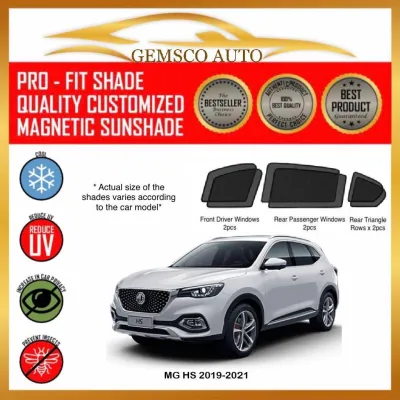
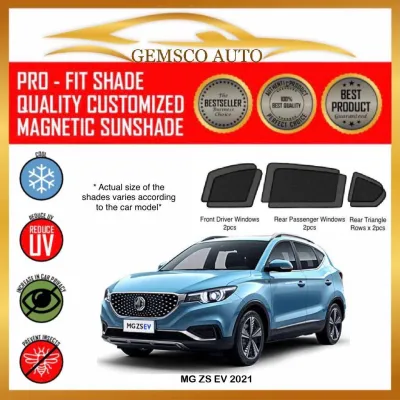
Prices are valid at publication and may change. Please refer to the product page for the latest price.
- Choose Custom-Fit if: You want maximum heat rejection, complete UV protection, and a seamless fit that fully shields your MG's dashboard, digital instrument cluster, and central infotainment touchscreen.
- Choose Universal if: You are working with a strict budget, frequently switch the shade between different vehicles, or only require a temporary, quick-deploy solution for occasional outdoor parking.
- Verify First if: You drive a newer or less common MG variant, such as the MG4 EV or a facelifted MG ZS EV, to ensure that a dedicated custom template is available for your exact model year and camera housing configuration.
Why Coverage Differs: The Design Behind Custom-Fit and Universal Shades
The performance gap between custom-fit and universal sun shades stems from how they are designed and manufactured. Custom-fit shades are constructed using precise digital templates or 3D scans of specific vehicle windshields. This meticulous process ensures that every angle, curve, and corner of the shade aligns perfectly with the unique frame of models like the MG4, MG ZS, or MG HS. The result is a snug fit that rests flat against the glass, leaving no room for sunlight to bypass the barrier.

In contrast, universal shades rely on standardized, one-size-fits-all dimensions. They are typically manufactured as simple rectangles, generic accordion-fold panels, or flexible wire-frame circles that twist to fold. Some modern variations utilize an umbrella-like mechanism that expands inside the cabin. Because these designs must accommodate hundreds of different vehicle models, they cannot account for the specific slope, height, and corner radii of an MG windshield. They often rely on tension, elastic bands, or suction cups to remain upright, which rarely results in a flush fit.
In a tropical climate like Singapore, where vehicles are frequently parked in open-air HDB surface lots or exposed condominium driveways, this design difference is critical. The intense solar radiation quickly elevates cabin temperatures through the greenhouse effect. Even a small gap of a few centimeters along the top or sides of a universal shade allows concentrated beams of UV light to hit the interior. This localized heat can cause the dashboard temperature to skyrocket, accelerating the degradation of soft-touch plastics and putting unnecessary thermal stress on the vehicle’s cabin electronics.
Head-to-Head Comparison: Coverage, Convenience, and Value
Windshield Coverage and Light Leakage
A sun shade’s primary job is to block solar radiation, and coverage is the most critical factor in achieving this. Custom-fit shades are designed to press flush against the inner borders of the windshield, leaving virtually no gaps. This complete coverage ensures that the entire dashboard, steering wheel, and central touchscreen remain fully shaded. By preventing direct sunlight from striking these surfaces, the shade minimizes heat absorption and keeps the touchpoints comfortable to handle when you return to the vehicle.
Universal shades, however, almost always suffer from light leakage. The most common problem areas are the top corners near the A-pillars and the region surrounding the rearview mirror. Because universal shades do not have a tailored cutout for the bulky camera and sensor housings found on modern MG windshields, they must be positioned lower or bent around the mirror. This creates a large triangular gap where sunlight streams directly onto the dashboard, heating up the cabin and exposing sensitive components to UV damage.
To evaluate the extent of light leakage in your vehicle, install your chosen sun shade during the middle of the day when the sun is at its peak. Sit in the rear seat of your MG and look forward at the windshield. Any visible shafts of light or bright spots around the edges indicate areas where heat is actively bypassing the shade. If you see significant light bleed, the shade’s overall thermal performance will be substantially reduced.
Daily Installation and Storage
The ease of deploying and storing a sun shade directly affects how consistently you will use it. Custom-fit shades are typically constructed as rigid or semi-rigid folding panels. Because they are tailored to the exact shape of your MG’s windshield, installation is fast and straightforward. You simply unfold the shade, place it against the glass, and flip down the sun visors to secure it. There is no need to struggle with suction cups or force flexible wires into tight corners.
The main drawback of custom-fit shades lies in their storage size. Due to their thick, multi-layered construction and rigid panels, they do not fold down into a tiny package. They must be folded along their pre-set seams or rolled up into a cylinder, which can then be secured with a strap. Storing a long, semi-rigid shade can be cumbersome in smaller cabins like the MG4 EV, often requiring you to place it in the rear footwell or the boot when passengers are on board.
Universal shades, particularly those utilizing an umbrella-style mechanism or thin twist-to-fold wire loops, excel in terms of storage convenience. These designs collapse into highly compact shapes that easily slide into the front door pockets, the glovebox, or under the passenger seat. However, the daily installation process can be tedious. You must carefully manipulate the flexible frame, adjust the sun visors, or stick suction cups to the hot glass to keep the shade upright. Over time, this extra effort can make daily use feel like a chore, leading some drivers to skip using the shade altogether on shorter trips.
Long-Term Durability and Shape Retention
A high-quality sun shade should maintain its structural integrity over years of exposure to extreme heat. Custom-fit shades are built with durability in mind, often featuring a multi-layered design that includes a reflective outer layer, a thick foam core for insulation, and a soft felt backing to protect the interior trim. Because they fit the windshield frame naturally without requiring physical distortion, they do not suffer from structural fatigue. They retain their flat shape and stiffness even after hundreds of thermal cycles.
Universal shades tend to degrade much faster when subjected to the harsh Singapore sun. Models that rely on suction cups are particularly prone to failure, as the rubber cups lose their pliability and suction power under high temperatures, causing the shade to fall down repeatedly. Wire-tension shades rely on thin metal loops that can warp, bend, or snap after repeated twisting and folding. Once the internal frame loses its tension, the shade will begin to sag, creating even larger gaps for sunlight to enter.
When shopping for any sun shade, it is essential to inspect the quality of the edge binding and the reflective material. Look for double-stitched borders that prevent the layers from separating or fraying at the edges. The reflective surface should be thick and securely laminated; thin, cheap metallic coatings can flake off over time, leaving messy silver debris on your dashboard and reducing the shade’s ability to bounce away solar heat.
How to Verify the Right Fit for Your Specific MG Model
Before purchasing a sun shade, you must verify the exact specifications of your MG vehicle. The MG lineup includes several models with vastly different windshield shapes and cabin dimensions. For instance, the aerodynamic, low-slung windshield of the MG4 EV requires a completely different shade template than the taller, more upright glass of the MG HS SUV. Furthermore, windshield dimensions and rearview mirror mounts can change between vehicle generations and mid-cycle facelifts, meaning a shade designed for a 2021 MG ZS EV may not fit a 2024 model perfectly.
When browsing online marketplaces or automotive accessory stores, avoid relying on generic sizing descriptions such as “fits most SUVs” or “size medium.” These classifications are highly subjective and do not guarantee a proper fit. Instead, search for listings that explicitly state compatibility with your specific MG model name, trim level, and production year. If you are unsure, contact the manufacturer or seller directly to confirm the dimensions before making a purchase.
Once your sun shade arrives, perform a thorough physical verification check before using it regularly. Follow this step-by-step checklist to ensure a safe and proper fit:
- Check the edge margins: Place the shade against the windshield and verify that it rests flush against the A-pillars on both sides and the headliner at the top. It should stay in place with minimal support from the sun visors.
- Inspect the rearview mirror cutout: The shade must accommodate the mirror stem and the plastic housing behind it without putting physical pressure on the assembly. Many modern MG models feature Advanced Driver Assistance Systems (ADAS) cameras mounted inside this housing; applying pressure to it can misalign the cameras or damage the plastic casing.
- Verify sensor clearance: Ensure the shade does not cover or press against any dashboard sensors, such as the automatic headlight sensor or the solar sensor located near the base of the windshield. Blocking these sensors can cause your vehicle's automatic lighting and climate control systems to malfunction.
It is critical to never force a poorly fitting shade into place. Attempting to bend a rigid custom-fit frame or cramming an oversized universal shade into your windshield can lead to cosmetic damage. The stiff edges of the shade can easily scratch the delicate fabric lining of your A-pillars, scuff the leatherette dashboard trim, or leave unsightly marks on the plastic sensor housings. If the shade does not fit naturally, return it and search for a more compatible option.
Final Decision Guide: Choosing the Right Shade for Your Needs
For MG owners who want the absolute best protection for their vehicle’s interior, a custom-fit sun shade is the clear recommendation. While these shades typically carry a higher price tag—often ranging from S$50 to S$90—the investment is well justified. By providing complete, gap-free coverage, a custom-fit shade shields your high-tech digital displays, leatherette steering wheel, and soft-touch dashboard materials from the destructive effects of constant UV exposure and extreme heat. Over time, this protection helps maintain your vehicle’s resale value and prevents costly interior repairs.
Universal sun shades, which generally cost between S$15 and S$30, remain a practical fallback option under specific circumstances. If you only park outdoors occasionally, use your MG primarily for short commutes, or need a temporary solution while waiting for a custom-fit model to arrive, a universal shade can provide basic protection. They are also highly convenient if you frequently drive different vehicles and want a single, highly portable shade that can be swapped between them easily.
To maximize your cabin’s thermal defense, consider pairing your front windshield shade with high-quality side window solutions. While the front windshield is the largest source of heat entry, side windows also allow significant solar radiation to penetrate the cabin. Installing custom-fit magnetic side window shades or static-cling films on the rear doors creates a comprehensive heat barrier. This combined approach keeps your MG’s interior significantly cooler, reducing the time and energy required for your air conditioning system to bring the cabin to a comfortable temperature.
Frequently Asked Questions (FAQ)
Do I need custom-fit shades for the side and rear windows too?
While a custom-fit front windshield shade is the most critical accessory due to the windshield’s large surface area and direct exposure to the dashboard, extending this protection to the side and rear windows is highly beneficial. Custom-fit magnetic side shades offer a clean, gap-free fit that snaps directly onto the metal door frames. They allow you to roll down the windows slightly for fresh air while parked while still blocking insects and sunlight. However, if you are on a budget, high-quality universal static-cling films or roller shades can provide adequate heat rejection for the side windows at a fraction of the cost.
Can a poorly fitting universal shade damage my MG's interior?
Yes, an ill-fitting universal shade can cause both direct and indirect damage to your MG’s cabin. Indirectly, the gaps left by a poorly fitting shade allow intense UV rays and heat to strike localized areas of your dashboard and steering wheel, leading to premature fading, cracking, and warping of materials. Directly, forcing an oversized universal shade into a tight windshield space can cause the stiff metal wire frames to rub against and scratch the delicate fabric of the A-pillars or scuff the plastic trim. Furthermore, putting constant physical pressure on the plastic housing behind your rearview mirror can damage or misalign the sensitive ADAS cameras and safety sensors mounted inside.
Community discussion
Share your experience or ask a question. Comments are reviewed before publication.