
Choosing the right protection for your vehicle’s interior involves balancing comfort, utility, and material compatibility. Whether you are trying to shield your upholstery from post-workout sweat, prevent spills from soaking into fabric, or reduce the intense heat buildup of a car parked in the sun, a dedicated seat barrier is a practical solution. The three most common materials available—cotton, microfiber, and breathable mesh—each serve distinct purposes and perform differently under daily driving conditions.
Selecting the wrong material can lead to issues ranging from musty cabin odors to damaged leather finishes. To make an informed decision, you must evaluate how each fabric handles moisture, how quickly it dries, and how securely it fits your specific vehicle seats. By understanding the unique characteristics of these materials, you can select an option that keeps you comfortable while preserving your car’s resale value.
Evaluating Cotton for Absorbency and Comfort
Cotton is a traditional favorite for drivers who prioritize a soft, natural texture against their skin. Derived from natural fibers, cotton is highly effective at absorbing liquid quickly, making it an excellent choice for immediate sweat management after outdoor activities or intense gym sessions. When shopping for a cotton car seat towel, check the product label for fabric weight and weave density, often indicated by grams per square meter. A higher weight typically indicates a thicker, more absorbent towel that can handle significant moisture before becoming saturated.
Products mentioned in this guide
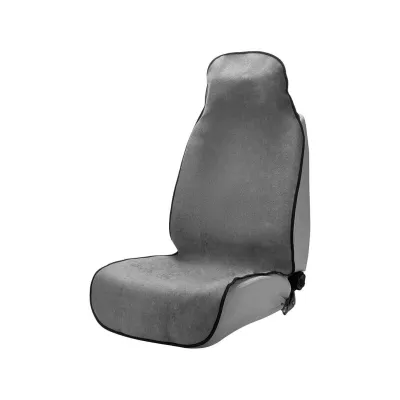
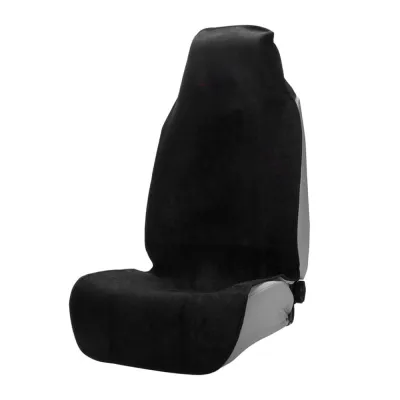
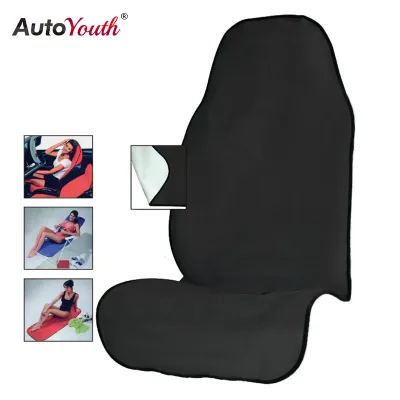
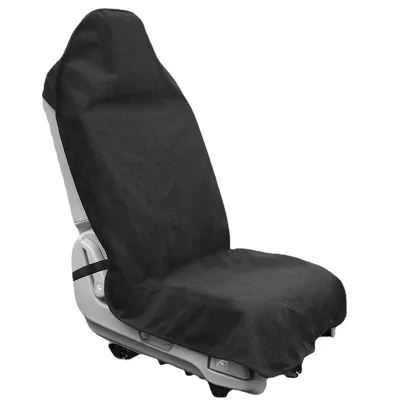
Prices are valid at publication and may change. Please refer to the product page for the latest price.
However, cotton’s high absorbency comes with a notable trade-off in humid climates like Singapore. Because cotton fibers hold onto water molecules tightly, the material takes a relatively long time to dry. If you leave a damp cotton towel on your seat in a closed, warm vehicle, the trapped moisture can quickly lead to musty odors and provide a breeding ground for bacteria.
Additionally, you must verify the care instructions on the product tag before your first wash. Natural cotton is prone to shrinking when exposed to high heat in washing machines or tumble dryers. There is also a risk of color bleeding; dark-colored cotton dyes can transfer onto light-colored leather or fabric upholstery if the towel becomes damp, potentially leaving permanent stains.
Evaluating Microfiber for Quick Drying and Durability
Microfiber is a synthetic material engineered from a blend of polyester and polyamide. This structure allows the fibers to be split into microscopic strands, vastly increasing the surface area of the fabric. As a result, microfiber excels at wicking moisture away from your body and trapping dust, dirt, and dry debris. To ensure you are buying a high-quality product, identify the fiber blend ratios on the product tags. A standard 80% polyester and 20% polyamide blend generally offers a good balance of softness, durability, and absorbency.

One of the primary advantages of microfiber is its rapid drying time. Unlike cotton, microfiber releases moisture quickly, making it highly suitable for daily use and frequent washing cycles. It maintains its shape and structural integrity even after dozens of trips through the laundry, making it a highly durable option for long-term interior protection.
Despite these benefits, you must evaluate the texture of the microfiber before placing it on delicate surfaces. Coarse or low-quality microfiber can feel rough and may transfer lint onto your clothing or car interior. On delicate leather seats, a rough synthetic texture combined with friction from daily driving can cause micro-scratches over time. Furthermore, you must avoid using fabric softeners when washing microfiber. Softeners leave a thin, waxy coating on the synthetic fibers, which clogs the microscopic channels and severely reduces the material’s moisture-wicking capabilities.
Evaluating Breathable Mesh for Airflow and Heat Reduction
Breathable mesh operates on a different principle than cotton or microfiber. Rather than acting as a loose, highly absorbent towel designed to soak up heavy sweat, mesh functions primarily as a structured, semi-permanent seat cover. These covers are typically constructed using a three-dimensional spacer weave that creates a physical gap between your body and the seat surface.
This physical gap is highly beneficial for vehicles with leather or synthetic vinyl seats, especially in hot tropical climates. Leather seats tend to trap heat and block airflow, leading to discomfort and back sweat during extended drives. A breathable mesh cover allows air to circulate freely behind you, significantly reducing heat buildup and keeping you cool without relying solely on your car’s air conditioning system.
When choosing a mesh cover, it is critical to distinguish between loose mesh pads that simply lie on the seat and fitted mesh covers equipped with secure anchoring straps. Loose pads can slide around, causing distraction while driving. More importantly, you must check the manufacturer’s specifications regarding safety compatibility. Many modern vehicles feature side-impact airbags embedded within the outer edges of the front seat backrests. A poorly designed or improperly fitted mesh cover can block the deployment path of these airbags, posing a severe safety risk. Always verify that the cover is certified for use with side airbags and does not interfere with manual or power seat adjustment controls.
Matching the Material to Your Seat Type and Daily Routine
Selecting the right car seat towel requires matching the material’s physical properties to your specific upholstery type. Leather seats are naturally smooth and slippery, meaning a standard loose towel will easily bunch up or slide out of place as you enter and exit the vehicle. If you have leather seats, look for towels or covers that feature non-slip silicone backing or robust strap systems to keep them anchored. For fabric seats, which naturally absorb liquids and are difficult to clean, a highly absorbent cotton or microfiber barrier is ideal to prevent spills from reaching the underlying foam.
Your daily routine should also dictate your choice. If your primary use case is driving home from the gym, a thick, easily removable cotton towel is highly practical because you can toss it directly into the wash after every trip. For families looking to protect seats from child car seats, a durable microfiber towel offers excellent friction resistance and spill protection. For daily commuters facing long drives in warm weather, a fitted, breathable mesh cover provides the continuous airflow needed to stay comfortable.
Before making a purchase, use this quick checklist to ensure compatibility:
- Measure your car seat's backrest height, cushion width, and headrest dimensions to verify the product will fit without sagging.
- Inspect the anchoring mechanisms to ensure they do not block seatbelt buckles, ISOFIX anchor points, or side airbag seams.
- Read the material tags to confirm the fabric composition matches your expectations for absorbency or breathability.
Care and Maintenance to Protect Your Car Interior
Proper maintenance of your car seat towel is essential to protect both the accessory and your vehicle’s original upholstery. Always follow the standard washing conditions outlined on the manufacturer’s care tag. Generally, synthetic materials like microfiber and mesh should be washed in cool or warm water with a mild liquid detergent, as powder detergents can get trapped in the weave. Avoid using bleach, which can degrade synthetic fibers and weaken elastic anchoring straps over time.
The most critical step in your maintenance routine is ensuring the towel or cover is completely dry before placing it back on your car seats. Trapping moisture between a damp fabric and a non-porous leather or vinyl seat in a closed vehicle creates a humid microclimate. This environment can lead to mold growth, mildew, unpleasant odors, and even damage the leather’s protective topcoat.
Finally, establish clear stop conditions for when to replace your seat towel. Over time, constant exposure to friction, body oils, and UV rays will degrade any material. If you notice frayed edges, torn seams, stretched-out elastic straps, or a significant drop in moisture absorbency, it is time to replace the product. Trapped odors that persist even after a thorough wash are another clear sign that the material has reached the end of its useful lifespan.
Frequently Asked Questions (FAQ)
Can I use a regular bath towel instead of a dedicated car seat towel?
While a regular bath towel can absorb moisture, it is not designed for the automotive environment. Standard bath towels lack anchoring mechanisms like straps, hoods, or non-slip backings, meaning they will slide, bunch up, and shift every time you move. This shifting can be highly distracting while driving and may block access to seatbelt buckles. Dedicated car seat towels are shaped to fit vehicle contours, feature secure attachment points, and often include water-resistant backings to prevent sweat from soaking through to the seat.
Will microfiber or cotton towels damage leather car seats?
Clean, dry cotton and microfiber towels are generally safe for leather car seats. However, damage can occur under specific conditions. If a towel is damp and left on the seat for extended periods, the trapped moisture can cause mold or degrade the leather’s finish. Additionally, if the towel or the seat surface is dirty, friction from your body can grind dirt particles into the leather, causing abrasive wear. To prevent damage, always ensure both the seat and the towel are clean and completely dry before use.
Community discussion
Share your experience or ask a question. Comments are reviewed before publication.