
Choosing between a corded and cordless portable car vacuum comes down to where you park your vehicle, how often you clean it, and whether you prioritize unlimited runtime over absolute mobility. If you have easy access to a dedicated power source or want to clean your entire cabin without watching a battery indicator, a corded model powered by your car’s 12V auxiliary outlet provides reliable, continuous suction. Conversely, if you park in shared outdoor spaces or multi-storey car parks where power outlets are non-existent, a cordless model offers the ultimate freedom of movement to reach every corner of your cabin and boot without wrestling with a tangled cable.
Keeping a car interior clean requires managing tight spaces, deep footwells, and narrow crevices between seats. Dust, sand, food crumbs, and pet hair accumulate quickly, making a dedicated portable car vacuum a highly practical tool. However, selecting the wrong power type can lead to frustration—either from a battery that dies mid-clean or a cord that fails to reach the rear boot. Understanding the distinct operational profiles of both designs ensures you invest in a tool that integrates seamlessly into your car care routine.
Core Differences in Power and Convenience
Corded portable car vacuums are designed to draw electricity directly from the vehicle’s 12V cigarette lighter or auxiliary power outlet. This direct connection ensures a steady flow of energy, allowing the motor to run at peak performance indefinitely. The main trade-off is physical limitation. You are tethered to the vehicle’s power ports, and your range of motion is strictly defined by the length of the power cable. This means you must plan your cleaning path around the vehicle’s interior layout.
Products mentioned in this guide
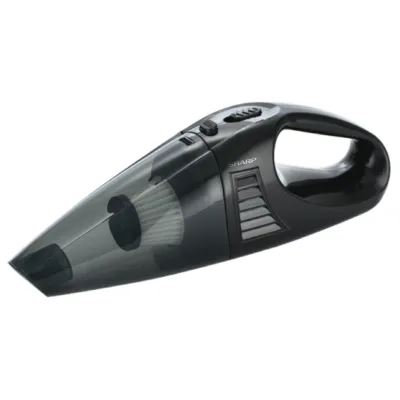
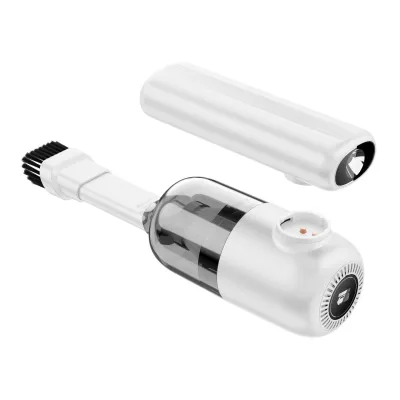
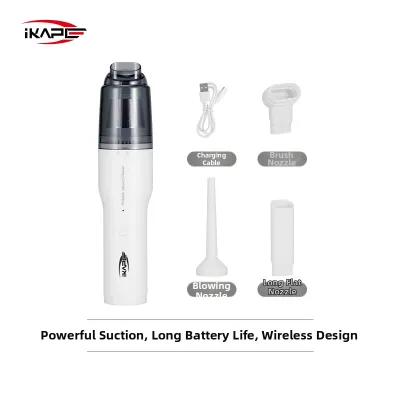
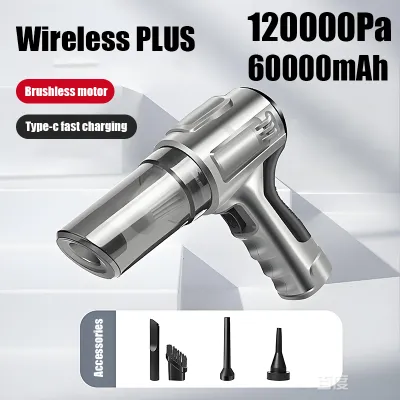
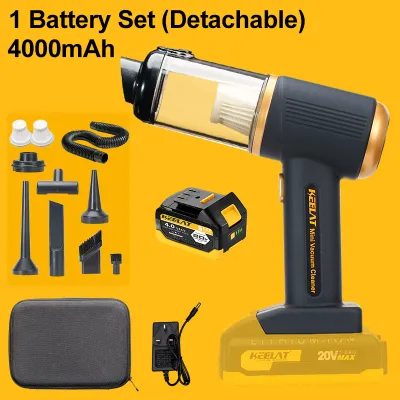
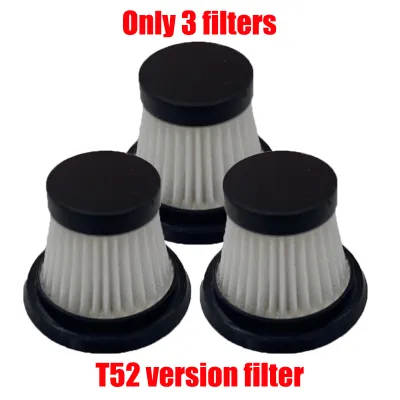
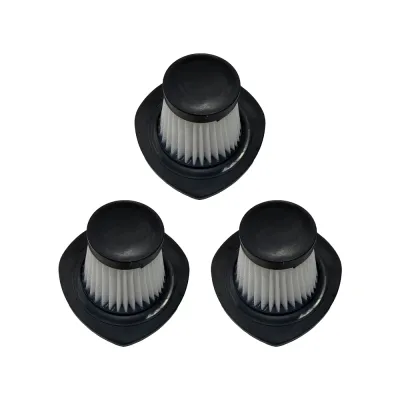
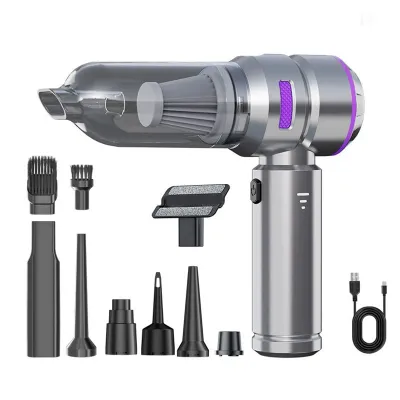
Prices are valid at publication and may change. Please refer to the product page for the latest price.
Cordless models rely on integrated rechargeable lithium-ion batteries. This design eliminates the physical tether entirely, allowing you to move freely around the vehicle, clean the boot, and even vacuum the engine bay without worrying about cable routing. However, this independence comes with a strict time limit. Once the battery depletes, cleaning must stop until the unit is recharged, which can take several hours depending on the charging system.
Ergonomics and weight distribution also differ significantly between the two designs. In a cordless vacuum, the heavy battery cells are housed directly within the unit, typically near the handle or the base. This can make the vacuum feel heavier during extended cleaning sessions, potentially causing wrist fatigue. In contrast, a corded vacuum does not carry heavy battery cells, making the handheld unit itself significantly lighter and easier to maneuver in tight spaces. However, you must constantly manage the trailing 12V cable, ensuring it does not snag on the seat rails, gear shifter, or pedals as you move around the cabin.
Evaluating Suction Consistency and Runtime
When browsing online marketplaces or local automotive accessory shops, you will encounter specifications like Pascals (Pa) or Air Watts (AW). Pascals measure the static pressure or lifting force of the vacuum, indicating its ability to pull heavy debris out of deep carpet fibers. Air Watts measure the actual airflow and power efficiency of the unit. While manufacturers often highlight peak numbers, it is crucial to understand how these metrics translate to real-world performance over time.

Because a corded vacuum draws continuous power from the vehicle’s electrical system, its motor operates at a constant voltage. This means the suction power remains completely stable from the first minute of cleaning to the last. There is no drop in performance as you work, making corded units highly reliable for thorough, deep-cleaning sessions where you need to repeatedly vacuum stubborn dirt from floor mats.
Cordless vacuums experience a different power curve. As the internal battery discharges, the voltage supplied to the motor can drop, which may lead to a noticeable reduction in suction power before the battery fully dies. While some modern cordless vacuums feature regulated power management to maintain consistent suction until the battery is empty, this often results in a shorter overall runtime. You must carefully check the manufacturer’s stated runtime on the packaging—which often ranges from 15 to 30 minutes on a standard setting—and note that using high-power or “boost” modes will drain the battery much faster.
Cleaning Scenarios: Where Each Type Excels
If you park your vehicle in a private driveway or a dedicated home garage with easy access to power, a corded vacuum is often the most practical choice. These environments allow you to take your time, pull out the floor mats, and perform a meticulous deep clean. Since there is no battery to run down, you can spend an hour or more brushing and vacuuming the carpets, seats, and boot without any time pressure.
For drivers who park in multi-storey car parks, open-air public lots, or shared residential spaces where access to mains power is limited, a cordless vacuum is highly advantageous. It allows you to perform rapid spot cleans whenever a spill occurs. If a passenger spills crumbs or you bring sand back from the beach, you can grab the cordless unit from your glove box or boot and clean the mess in under two minutes without unraveling a single wire.
Managing a cable inside a car cabin requires a specific strategy. With a corded unit, you must route the cable carefully to avoid catching it on the handbrake, gear lever, or seat adjustment bars. Moving from the front driver’s seat to the rear passenger side requires feeding the cable through the doors or across the center console. A cordless vacuum eliminates this hassle entirely. You can transition from vacuuming the dashboard to cleaning the rear parcel shelf or the deepest corners of the boot in one fluid motion, making the overall cleaning experience much less tedious.
Key Specifications to Verify Before Buying
For corded units, the length of the 12V cable is the single most critical physical specification. A cable that is too short will prevent you from reaching the boot of a larger sedan, sport utility vehicle (SUV), or station wagon. Look for a cable length of at least 4 to 5 meters to ensure comfortable reach from the front dashboard outlet all the way to the rear cargo area. Additionally, verify that the 12V plug fits securely into your vehicle’s auxiliary socket without wobbling, as a loose connection can cause intermittent power loss.
When evaluating cordless vacuums, check the battery chemistry and charging specifications. Lithium-ion batteries are standard because they hold their charge well when stored and offer better power density than older nickel-metal hydride options. Look for a modern charging interface, such as a USB-C port, which allows you to charge the vacuum using your existing car phone charger, a power bank, or a home wall adapter. Pay close attention to the charge-to-use ratio; a vacuum that requires four hours of charging for fifteen minutes of runtime requires forward planning.
The performance of any car vacuum is heavily dependent on its nozzles. Car interiors are filled with awkward angles, narrow gaps, and varied textures. Ensure the vacuum comes with a long, slim crevice tool to reach down between the seats and the center console. An upholstery brush attachment is also essential for agitating dust and pet hair out of fabric seats and carpeted floor mats. Avoid models with bulky, non-standard nozzles that cannot fit into tight automotive spaces.
Car vacuums are compact, meaning their dustbins are relatively small. Check the dustbin capacity, typically measured in milliliters (ml). A capacity of 300ml to 500ml is generally sufficient for routine car cleaning. Furthermore, inspect the filtration system. Look for vacuums equipped with washable HEPA filters or dual-stage filtration systems that trap fine dust particles rather than blowing them back into the confined air of your car cabin. Verify how easy the filter is to remove, wash, and replace, as a clogged filter will drastically reduce suction performance.
Decision Framework: Which Portable Car Vacuum to Choose
To make your final decision, evaluate your typical cleaning habits and parking situation. Choose a corded portable car vacuum if you prefer to perform comprehensive, deep-cleaning sessions, have a vehicle with a reliable 12V power port, and want consistent suction without the hassle of recharging. This option is ideal for families, pet owners, and detailing enthusiasts who want to take their time restoring the cabin to a pristine state.
Choose a cordless portable car vacuum if you prioritize convenience, speed, and maximum portability. This design is perfect for daily commuters, ride-hailing drivers, or parents who need to quickly clear away small messes, crumbs, and dust on the go. It is also the logical choice if you park in shared residential car parks where managing a corded unit is physically impractical.
Before purchasing, verify your vehicle’s electrical specifications. High-draw corded vacuums can pull significant amperage; check your car’s owner’s manual to ensure the 12V auxiliary outlet is rated for the vacuum’s power consumption (typically 10 to 15 amps) to avoid blowing a fuse. For cordless models, establish a realistic charging routine. If you plan to store the vacuum in your car, ensure it is kept out of direct sunlight and extreme heat, as high temperatures can degrade lithium-ion batteries over time and pose safety risks.
Frequently Asked Questions (FAQ)
Can I use a regular household vacuum for my car?
Yes, you can use a household vacuum, but it often presents significant practical challenges. Standard household vacuums are bulky and heavy, making them difficult to maneuver inside the tight confines of a vehicle cabin. Dragging a large canister or upright vacuum to your driveway or car park requires long extension cords, which may not be feasible or safe in shared outdoor spaces. Furthermore, household vacuums often lack the specialized, ultra-slim crevice tools and flexible hoses needed to navigate the narrow gaps under car seats and inside door pockets.
How do I maintain the filters and battery life?
To maintain optimal suction, empty the dustbin after every use and clean the filter regularly according to the manufacturer’s instructions. Most portable car vacuums feature washable filters; ensure they are completely dry before reinserting them to prevent mold and motor damage. For cordless models, preserve battery health by avoiding deep discharges; recharge the unit before the battery is completely depleted. Additionally, store cordless vacuums in a cool, dry place. Avoid leaving battery-powered devices in a hot car glove box or boot exposed to direct sunlight, as extreme heat accelerates battery degradation and reduces overall lifespan.
Community discussion
Share your experience or ask a question. Comments are reviewed before publication.